








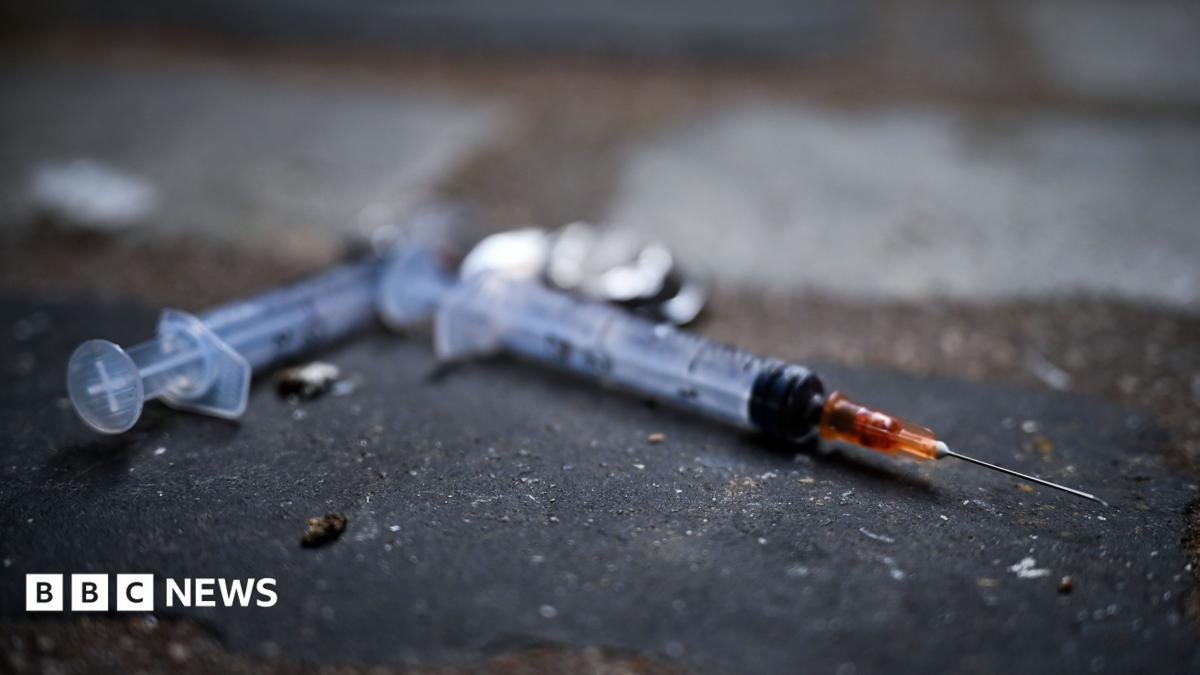
Scotland remains at the epicentre of the United Kingdom’s drug crisis, with new data revealing that the nation’s age-adjusted drug poisoning death rate is significantly higher than that of its neighbours. According to the latest figures from National Records of Scotland (NRS), Scotland recorded 216 deaths per million in 2024, a staggering figure when measured against the 140 deaths per million in Wales, 135 in Northern Ireland, and 91 in England.
The NRS reaches these stark conclusions by applying a comprehensive measurement of drug-related mortality. This methodology includes all fatalities where the underlying cause is attributed to mental and behavioural disorders resulting from psychoactive substance abuse, as well as poisonings that are deemed accidental, intentional, of unknown intent, or the result of assault.
Public health experts are pointing to a volatile and increasingly dangerous drug supply as a primary driver of these high mortality rates. Catriona Matheson, a professor of substance use at Stirling University, warned that the emergence of synthetic opioids—specifically nitazenes—has introduced a level of unpredictability into the illicit market that is proving lethal.
“The potency of nitazenes is unpredictable,” Professor Matheson told BBC Radio Scotland Breakfast. “Some can be 50 times stronger than heroin. People are not expecting that in the drugs that they’re taking. They may be buying what they think is heroin, and in fact, it may contain several other substances in it.”
The trend toward “polydrug use”—the consumption of multiple substances simultaneously—is further compounding the crisis. Experts suggest that when users inadvertently combine potent synthetic substances with other drugs, the likelihood of a fatal overdose rises sharply. Because users are often unaware of the exact chemical composition of the substances they purchase, the risk of accidental poisoning has reached an all-time high.
The data highlights a widening disparity in how drug-related deaths are handled and monitored across the UK, but the sheer scale of the Scottish figures underscores a persistent public health emergency that has proven difficult to curb. While policy interventions and harm-reduction strategies remain a subject of intense political debate, the medical reality remains clear: the illicit drug market is becoming more complex and far more toxic.
As health officials grapple with these figures, the message from researchers is one of urgent caution regarding the supply chain. With the rise of highly potent synthetic additives, the traditional understanding of street-level drug use is shifting, leaving the most vulnerable individuals in society facing a heightened risk of death from substances they do not realize they are consuming. The government is expected to face renewed pressure to address the underlying causes of this surge and to implement more robust strategies to monitor and mitigate the presence of dangerous synthetic compounds within Scotland’s drug supply.
Disclaimer: This content is auto-generated for informational purposes only.
Source: Read Original News