







BUFFALO, N.Y. — The shifting landscape of Western New York’s business sector is currently defined by a dual trend of corporate restructuring in the healthcare industry and the quiet closure of historic local landmarks. As regional entities navigate an increasingly digital and automated economy, these transitions reflect broader national pressures that are forcing long-standing organizations to reevaluate their operational footprints.
## Catholic Health Realigns Workforce Amid Industry Volatility
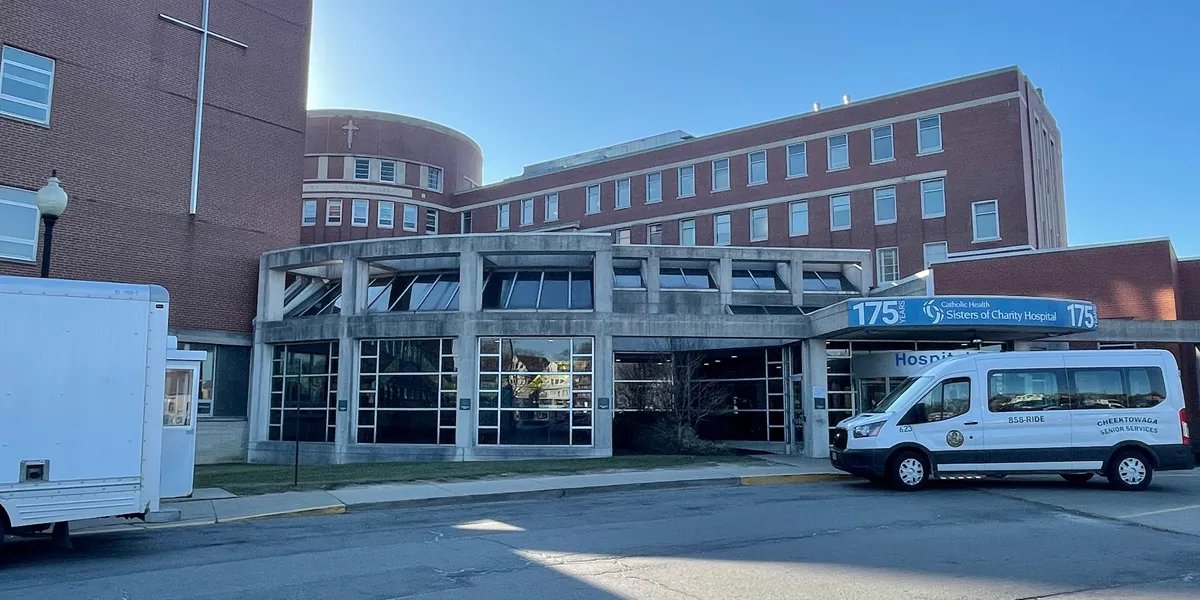
Catholic Health, one of the region’s largest healthcare providers, announced a significant workforce adjustment this week, impacting 40 administrative and support positions. The cuts, which span several key facilities including the Administrative & Regional Training Center on Genesee Street, Mercy Hospital, Mount St. Mary’s, Sisters of Charity Hospital, and the St. Joseph Campus, are part of a broader effort to maintain financial stability.
The health system cited a trifecta of industry challenges: rising operational costs, a growing burden of federal and state regulations, and the fundamental transformation of patient care models. As hospitals nationwide pivot toward more efficient, technology-driven care, the shift toward outpatient procedures—supported by advanced diagnostic tools and minimally invasive robotic surgery—has led to significantly shorter inpatient stays.
While the administrative reductions represent a contraction, the system is also shifting resources to address high-demand areas. Catholic Health plans to realign 34 positions at Mercy Hospital, specifically bolstering staffing in the Emergency Department to manage increased patient volumes. The organization noted that displaced workers may be eligible to transition into other open roles across the health system’s network, emphasizing an effort to retain talent even as internal structures undergo fundamental modernization.
## The Digital Shift in Hospital Infrastructure
The move by Catholic Health to consolidate its administrative footprint is emblematic of a national movement toward “smart hospitals.” Tech industry integration is currently the most significant driver of healthcare overhead reduction. Hospitals are increasingly utilizing AI-powered scheduling software, predictive analytics to manage bed turnover, and digital remote-monitoring tools that allow patients to recover at home.
These innovations mean that brick-and-mortar facilities—especially older campuses—are becoming less reliant on vast administrative back-offices. Instead, resources are being redirected toward the “digital front door,” where AI-driven patient portals and virtual triage systems now handle the bulk of scheduling and triage work that once required large teams of on-site administrative staff.
## Real Estate Market Reflects Changing Recreational Habits
While the healthcare sector grapples with the transition to digital-first care, the region’s entertainment industry is facing a more permanent shift. The former home of Fantasy Island—most recently known as Niagara Amusement Park & Splash World—has officially been listed for sale by HUNT Commercial Real Estate for just under $5 million.
The 75-acre property, a staple of Western New York childhood memories for decades, sits vacant following a decline in attendance that ultimately rendered the park financially unsustainable. Despite the presence of existing infrastructure, such as the iconic Silver Comet rollercoaster, the site’s future remains uncertain. The park’s closure serves as a stark reminder of the competition from digital entertainment, with consumers increasingly favoring home-based streaming, high-fidelity gaming, and virtual reality experiences over traditional outdoor amusement venues.
## Industrial Growth and New Infrastructure
Amidst the news of corporate downsizing and property listings, there are signs of localized growth. NOCO is set to bolster the region’s industrial capacity this Friday with the grand opening of its new Fuel and Fleet Maintenance Building at 2315 Kenmore Avenue in Buffalo.
The facility represents a strategic investment in the logistics and infrastructure sectors. By modernizing its fleet maintenance capabilities, the company is aligning with industry standards that prioritize automated telematics and diagnostic technology to keep regional logistics moving efficiently. As Western New York continues to balance the downsizing of legacy institutions with the rise of modern, tech-reliant enterprises, the business community remains in a state of rapid, high-stakes transition.
Disclaimer: This content is auto-generated for informational purposes only.
Source: Read Original News