






Retrospective Design Analysis in Modern Game Development
The intersection of legacy game design and contemporary player feedback serves as a critical study for developers and studio leaders. Mark Darrah, a former BioWare producer and director who played a pivotal role in the inception of the Dragon Age franchise, recently provided a candid post-mortem assessment of his own work. By dissecting the structural flaws of the first three entries in the series, Darrah highlights the necessity of iterative refinement and the dangers of pacing bottlenecks in long-form role-playing games. His analysis serves as a technical blueprint for understanding how specific mechanics, once considered standard, can detract from the overall quality of a user experience.
In software development, particularly in large-scale interactive entertainment, the “feature creep” phenomenon often leads to segments that function mechanically but fail to deliver a cohesive narrative or gameplay loop. Darrah’s critique focuses on the specific friction points that have historically frustrated players, proving that even successful titles can harbor design debt that hinders long-term replayability.
Addressing the Fade: Managing Pacing and Player Agency
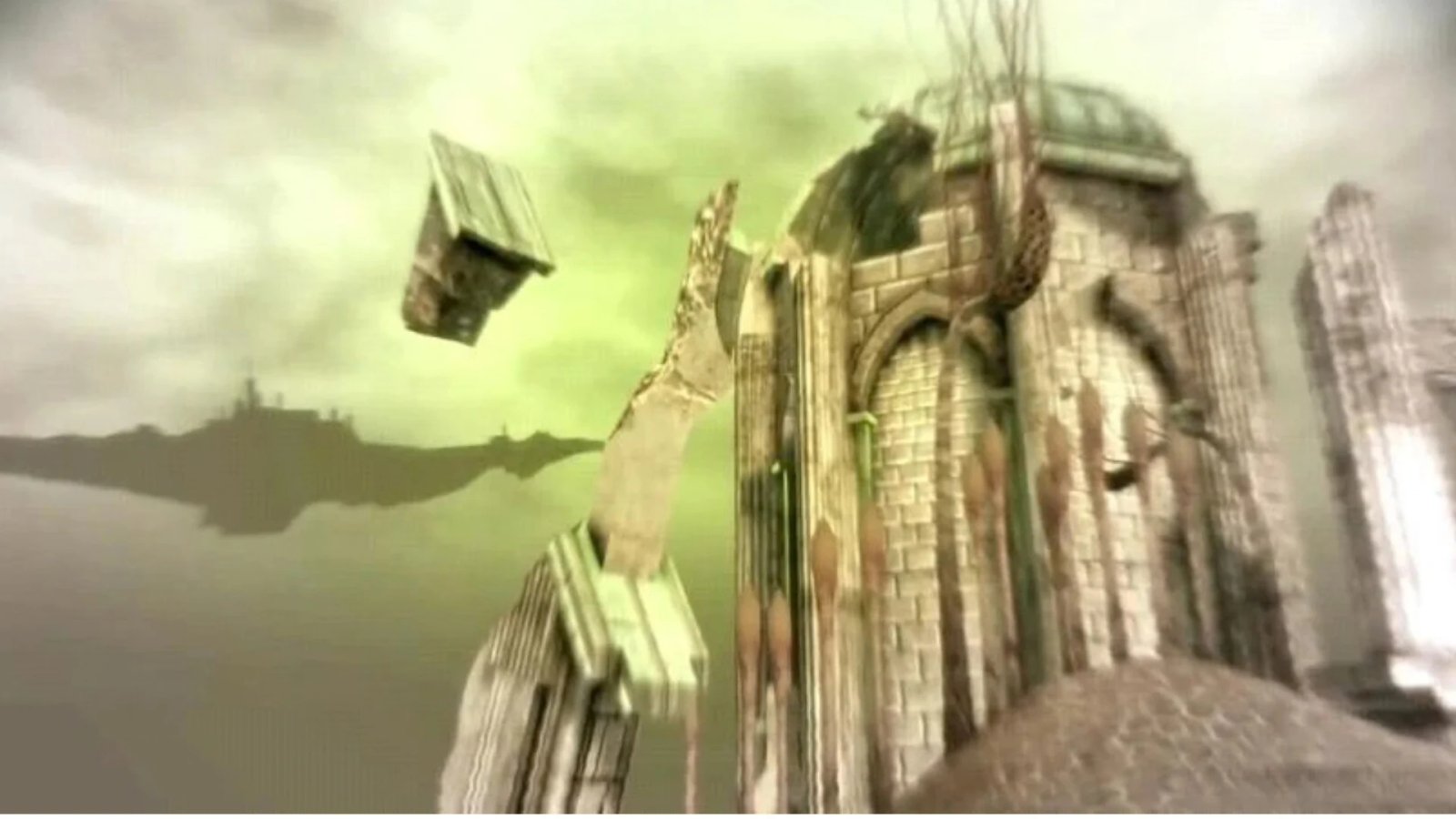
Perhaps the most notorious segment in Dragon Age: Origins is the Fade, a surreal, dream-like realm where the protagonist is isolated from their party and tasked with navigating complex environmental puzzles. For many, this segment represented a jarring shift in the core gameplay loop. By forcing players into a solitary state and introducing temporary shapeshifting mechanics, the developers disrupted the established synergy between character builds and party management.
Darrah’s assessment confirms what the community has argued for over a decade: the Fade functions more as an obstacle than as a meaningful narrative progression. From a design perspective, the section is a bottleneck. It lacks the flexibility for players to exit or bypass the area once they have committed to the quest, creating a rigid structure that contradicts the open-ended nature of the rest of the game. Darrah’s suggestion to either remove the segment entirely or decompose it into smaller, more digestible experiences reflects a modern understanding of player burnout. When a game forces a complete departure from its core systems, it must ensure that the secondary systems are sufficiently engaging to justify the interruption.
Structural Narrative Integrity in Dragon Age II
The narrative architecture of Dragon Age II has long been a subject of intense debate, specifically regarding the climax of the game’s final act. The conflict between the mages and the templars serves as the central theme, yet the execution of the finale undermined the player’s agency. Regardless of the moral stance a player took, the narrative forced a conclusion where the primary antagonists—First Enchanter Orsino and Knight Commander Meredith—both devolved into destructive archetypes.
Darrah identified this as a failure of narrative design. By forcing the player to fight Orsino even when they aligned with the mage faction, the game invalidated the player’s previous choices. This issue stems from a “both sides are bad” implementation that ignores the player’s path. Darrah’s proposed technical fix is a branching logic adjustment: if a player aligns with the mages, the game should dynamically flag Orsino as an ally, thereby altering the final boss encounter to reflect the player’s alignment. This change would not only restore agency but also heighten the impact of the game’s complex political themes, demonstrating that narrative branching is essential for player investment.
Optimizing Pacing and Progression in Inquisition
In Dragon Age: Inquisition, the issues Darrah identified shift from narrative design to progression gating. The game utilizes a “Power” requirement system, which forces players to complete secondary, often tedious tasks to accumulate enough points to unlock key narrative milestones. Darrah explicitly criticizes this mechanic as a form of “padded” content, designed more to extend play time than to enhance the journey.
From a systems design standpoint, such gates are often implemented to ensure players are appropriately leveled for story content. However, when the requirement threshold is too high, it leads to a fragmented experience where players are distracted by filler content instead of focusing on the core narrative. Darrah’s recommendation to reduce these requirements is a move toward more streamlined progression. Modern game design principles prioritize respecting the player’s time; by allowing for a more direct path through the narrative, developers can prevent the loss of player momentum that occurs when content becomes repetitive.
The Future of Open-World RPG Development
Looking forward, the insights provided by someone of Darrah’s experience underline a shifting paradigm in the industry: less is often more. The transition from the massive, content-heavy approaches seen in Inquisition toward more refined, focused experiences is a trend currently favored by both independent and AAA developers. The idea of incorporating additional content, such as the proposed Avvar origin—which was cut from Origins due to budget constraints—is now being evaluated against the importance of vertical polish.
The challenge for future development remains balancing world-building with the limitations of production budgets. As Darrah notes, adding new origin stories or complex factional interactions requires significant resource allocation. The lesson for developers is to allocate these resources toward meaningful player choices and pacing adjustments rather than overwhelming the player with massive, disconnected environments. By prioritizing mechanical coherence over sheer content volume, studios can ensure that their role-playing titles remain as compelling upon replay as they are during the first playthrough. This technical reflection on the Dragon Age series serves as a reminder that even the most acclaimed titles can benefit from a critical review of their fundamental structural choices.
Disclaimer: This content is auto-generated for informational purposes only.
Source: Read Original News