







US Diplomat Criticizes International System as ‘Broken,’ Dismisses Third-Party Mediation Claims Regarding India-Pakistan
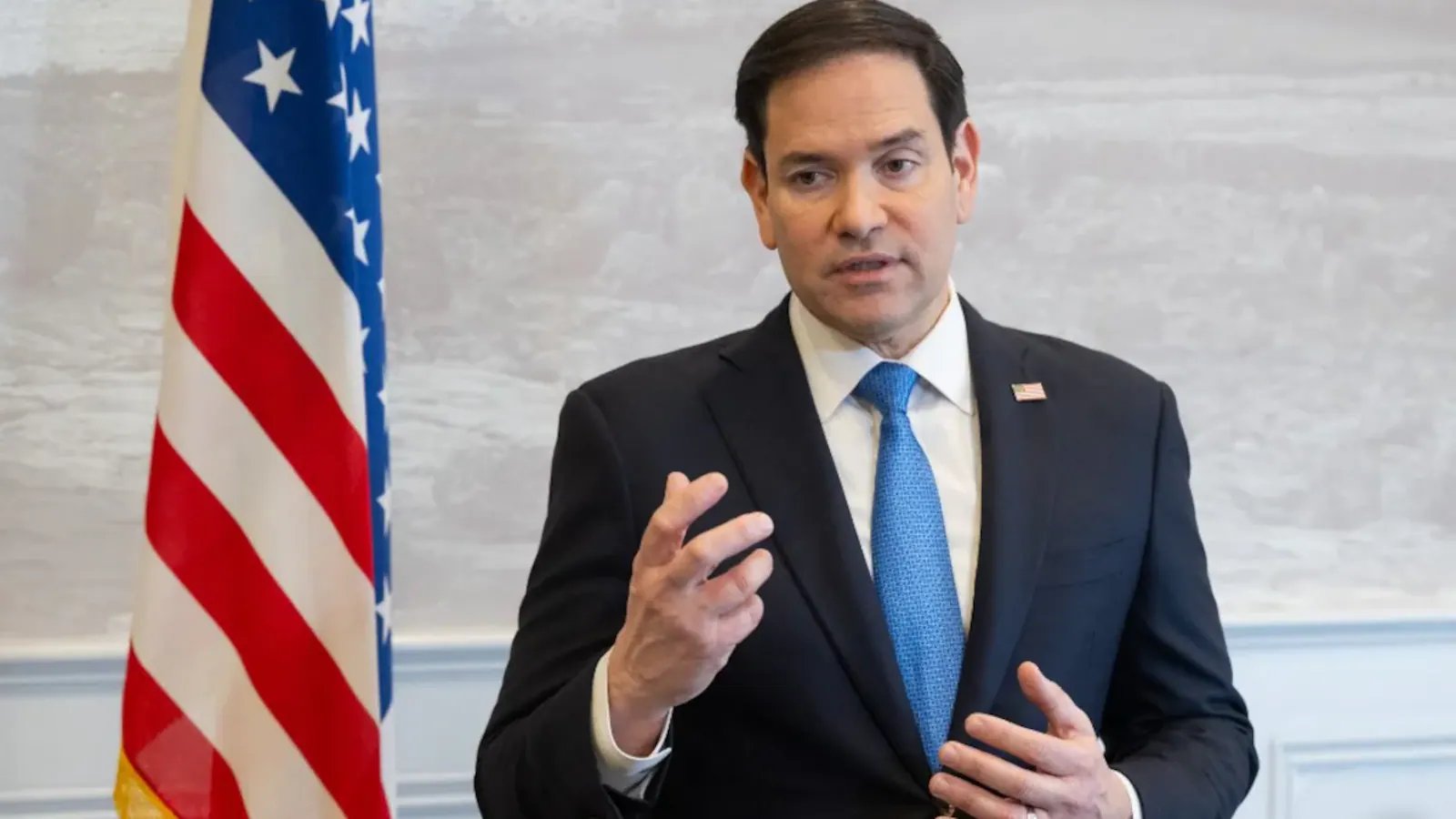
US Secretary of State Marco Rubio has characterized the current global governance framework as fundamentally dysfunctional, arguing that international bodies—specifically the United Nations—have strayed from their original mandates. His comments, delivered during the high-level week at the UN General Assembly (UNGA), cast doubt on the ability of international institutions to mediate complex geopolitical disputes, including those between India and Pakistan.
The Failure of Global Governance
Rubio suggested that there is a growing consensus among world leaders that the current international order is failing to address major global conflicts. According to the top American diplomat, the system has effectively “broken itself” by expanding its scope beyond its intended purpose, rendering it unable to manage significant geopolitical frictions.
“It would be great if we had a functional international system that could deal with a war between Thailand and Cambodia, or a potential conflict between India and Pakistan,” Rubio stated during a press briefing. “Right now, we don’t seem to have a functional international system that can address it.”
In the absence of a viable global mechanism, Rubio emphasized that the United States would prioritize its own national interests above the perceived requirements of an ineffective international order. He clarified that as long as President Donald Trump remains in office, the US would not subordinate its sovereign interests to global consensus.
Rebutting Mediation Claims
Rubio’s remarks coincide with renewed assertions from President Trump regarding his role in regional de-escalation. During his address at the UNGA, President Trump claimed credit for ending eight global conflicts last year, specifically highlighting his role in the ceasefire between India and Pakistan.
Trump has frequently touted his involvement in the de-escalation of tensions between the two South Asian neighbors, dating back to May of last year when he publicly claimed that his administration mediated a “full and immediate” ceasefire following a night of intense negotiations.
However, these claims have consistently been met with a firm response from New Delhi. India has maintained a clear and unwavering stance: the understanding reached regarding the cessation of hostilities at the Line of Control was the result of direct, bilateral communication between the Directors General of Military Operations (DGMOs) of the two nations. Indian officials have repeatedly underscored that there was no third-party mediation involved in the process.
A Pivot Toward Realpolitik
The Secretary of State’s commentary signals a potential shift in how the current US administration views its participation in multilateral frameworks. By framing the international system as overextended and stagnant, Rubio suggests a future where Washington is less likely to rely on traditional diplomatic channels to resolve crises, preferring instead to rely on direct national leverage.
As the international community navigates a period of significant volatility, the disconnect between Washington’s rhetoric on mediation and the ground reality of bilateral diplomacy remains a point of friction. For India, the message remains consistent: regional stability is managed through established direct lines of communication, regardless of external claims or the perceived breakdown of the wider international order.
Disclaimer: This content is auto-generated for informational purposes only.
Source: Read Original News