








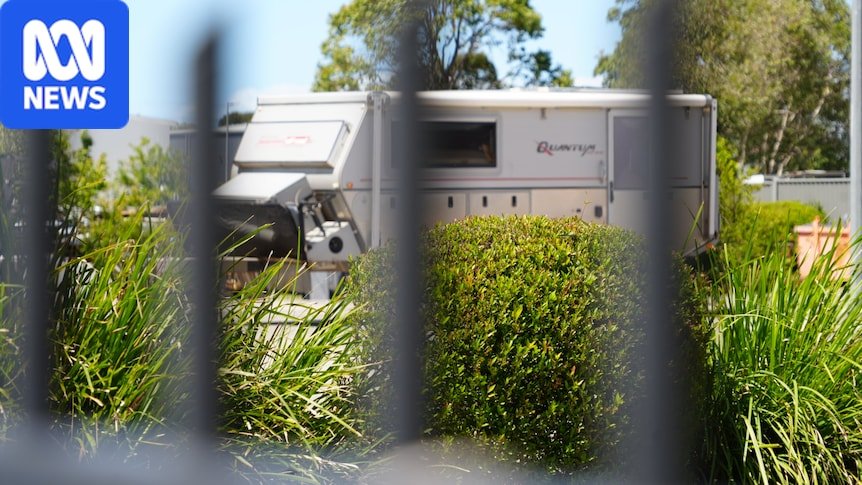
The abrupt collapse of Queensland-based caravan manufacturer Australian Off Road (AOR) has sent shockwaves through the industry, leaving creditors facing a $9 million shortfall. Administrators from DVT McLeods have confirmed that they have officially alerted the Australian Securities and Investments Commission (ASIC) regarding suspicious activities and potential misconduct occurring in the lead-up to the company’s closure on September 15.
During a tense first meeting with creditors, administrators painted a grim picture of the company’s financial state. Roughly 50 customers are currently out of pocket by a combined $2.25 million in progress payments for vehicles that were never completed. Furthermore, 70 staff members are owed over $2.1 million in wages and entitlements, while the Australian Tax Office and various suppliers are facing millions in outstanding debts. With only $755,000 in identified assets, the prospect of full recovery for those affected remains slim.
## Scrutiny on Corporate Governance and Asset Transfers
A core focus of the administrators’ investigation involves the transfer of AOR’s trading names to a related entity, “AOR Holding Co Pty Ltd,” just days before the company entered administration. This maneuver has triggered an immediate request to ASIC to freeze the transfer of these business identities.
Administrators are also digging into reports that completed caravans may have been diverted to company-related parties shortly before the collapse. Adding to the complexity, investigators identified a site in Kunda Park linked to director Barry Russell Evans that allegedly contained equipment and preparations for a rival business operation. Efforts to reconcile the company’s books have been hampered by what administrators described as “unsatisfactory” responses and insufficient records provided by Mr. Evans.
## The Digital Footprint of a Company in Denial
The collapse highlights a recurring issue in the modern retail landscape: the disconnect between a company’s polished digital presence and its actual underlying health. Several customers reported being pressured to expedite significant payments—in one instance, $61,000—as recently as August. Even as late as April, company representatives were using digital communication channels to reassure nervous buyers that their funds were secure, citing “market resilience” despite obvious operational instability.
For customers like Sandra Muller, who lost $101,000, the digital storefront served as a deceptive tool to keep cash flowing while the business teetered on the brink. The sudden deletion of the company website served as the first signal of impending doom for many, forcing them into a state of panic as they scrambled to verify the status of their investments.
## Industry Volatility and the Tech-Driven Future
This incident follows the collapse of another Sunshine Coast manufacturer, Zone RV, earlier this year, fueling concerns about the stability of the Australian manufacturing sector. While traditional sectors like caravan production often rely on old-school inventory management, the lack of transparency in tracking assets—such as the confusion regarding the ownership of 13 remaining caravan chassis—underscores a need for modernized, blockchain-based supply chain transparency or integrated AI-driven financial oversight tools.
As the industry faces a reckoning, regulators and potential buyers are looking for ways to prevent such “shell game” tactics. Whether through enhanced corporate watchdogs or the implementation of automated, real-time financial reporting systems, the AOR debacle is a stark reminder that even well-established firms can hide significant rot behind a facade of normalcy. Administrators are now pursuing a sale of assets, including contents recovered from shipping containers linked to factories in China, in a desperate attempt to recoup funds for the abandoned creditors.
Disclaimer: This content is auto-generated for informational purposes only.
Source: Read Original News