






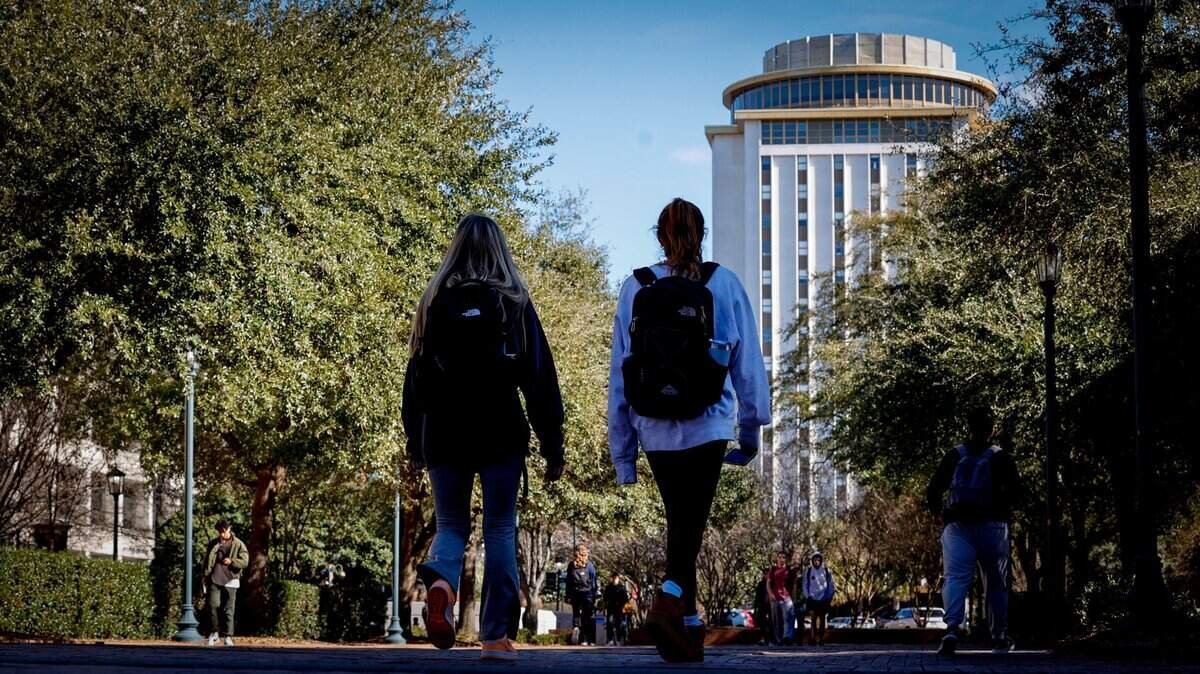
The University of South Carolina (USC) has once again solidified its standing in the academic world, marking nearly three decades of dominance in a key business discipline. According to the recently released U.S. News & World Report 2027 Best Colleges rankings, the Darla Moore School of Business has maintained its prestigious No. 1 ranking for its undergraduate International Business program for the 28th consecutive year.
This sustained achievement highlights the university’s consistency in a competitive landscape, even as the higher education sector increasingly turns toward digital transformation, artificial intelligence, and global networking to shape its curricula.
Maintaining a Global Standard in Business Education
The International Business program’s nearly 30-year streak is a significant milestone for USC. In an era where business schools are rapidly integrating advanced data analytics and AI-driven market forecasting into their programs, the Darla Moore School has managed to pair its traditional academic rigor with modern, real-world application.
Interim Dean Gregory Niehaus attributed this long-term success to the caliber of the student body and the faculty’s commitment to academic challenge. By consistently securing the top spot in peer assessment surveys—where deans and senior faculty from across the country rate programs—USC has effectively proven that its pedagogical model remains the benchmark for international commerce studies. Beyond the top-ranked program, the school saw continued growth, with its insurance program reaching the national top 10 and its supply chain management program securing a spot in the top 20.
The Role of Tech and Institutional Innovation
While the rankings are based largely on peer reputation, the broader University of South Carolina experience is increasingly reflective of trends seen in the tech sector. The university’s high ranking for “first-year experience”—where it stands as the No. 1 public institution in the country—often involves modern administrative tools that help navigate the student journey.
In the modern collegiate environment, “first-year experience” has moved far beyond orientation mixers. It now encompasses sophisticated learning management systems, predictive analytics, and AI-powered student success platforms that schools use to track engagement and provide timely support. By prioritizing these digital touchpoints, USC has managed to foster a sense of community and academic readiness that traditional classroom models alone often struggle to achieve. Universities are now expected to operate with the same level of technological precision as a major tech company, utilizing data to personalize the student experience and ensure high retention rates.
Adapting to the Changing Landscape of Education
The U.S. News & World Report methodology itself serves as a reminder of how digital information has transformed academic oversight. By utilizing broad-scale surveys that reach thousands of faculty members instantly, the publication mirrors the way industry leaders now evaluate talent and expertise through digital transparency.
Provost Mary Anne Fitzpatrick emphasized that these rankings are not just about prestige, but about the “strength of a Carolina education.” As the academic landscape continues to evolve—moving toward a future where hybrid learning, micro-credentialing, and AI-assisted research are the standard—USC’s ability to remain at the top suggests a successful pivot toward these modern realities. For students, the combination of a top-tier international business curriculum and a highly ranked, technologically supported freshman experience provides a clear path for those aiming to compete in an increasingly global and digital economy. As the university looks toward its 29th year of top-tier international business rankings, the focus will likely remain on integrating emerging technologies to ensure that “excellence” keeps pace with the speed of global business.
Disclaimer: This content is auto-generated for informational purposes only.
Source: Read Original News