







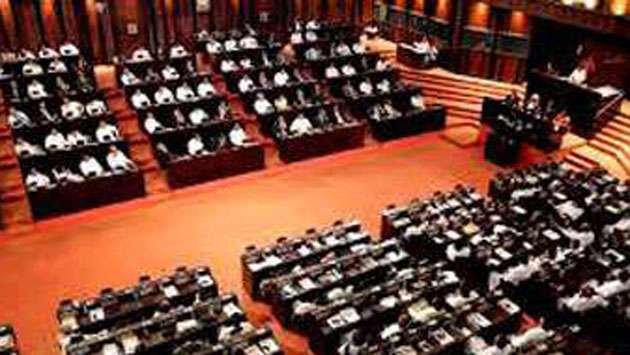
COLOMBO – The Parliament of Sri Lanka convened this morning to initiate the high-stakes debate on the 22nd Constitutional Amendment Bill, a legislative move that stands to fundamentally reshape the nation’s governance structure and the powers vested in the executive branch.
The parliamentary chamber was abuzz with activity as lawmakers gathered to discuss the proposed amendments, which center on restoring critical checks and balances, strengthening independent commissions, and curtailing the unchecked authority of the presidency. The session, which commenced under tight security, is expected to span two days, with party leaders and senior legislators presenting their respective stances on the bill’s far-reaching implications for the country’s political future.
The 22nd Amendment is being presented as a necessary step toward addressing the systemic governance failures that contributed to the nation’s recent socio-economic turmoil. Key provisions of the proposed bill include the revival of the Constitutional Council, which will oversee the appointment of members to various independent oversight bodies, and the implementation of stricter eligibility criteria for high-ranking government posts.
Opening the debate, government representatives urged members of all political factions to support the amendment, framing it as a non-partisan effort to restore democratic stability and public trust. Proponents argue that the bill is essential to ensure that no single individual or office holds excessive power, thereby safeguarding the rule of law and promoting transparency in public administration.
However, the debate has already highlighted significant divisions within the house. While many opposition parties have signaled their general support for the principles of the amendment, several have raised concerns regarding the depth and sincerity of the reforms. Some lawmakers have criticized the bill as being “too little, too late,” arguing that it does not go far enough to dismantle the existing power structure that has long dominated Sri Lankan politics. Others have voiced skepticism about whether the proposed independent commissions will truly remain free from political interference, given the complexities of the current political landscape.
Observers note that the passage of the 22nd Amendment is a litmus test for the government’s credibility, both domestically and internationally. As the debate proceeds, public attention remains focused on the evolving discourse within the chamber. Outside the parliament, civil society groups and legal experts are closely monitoring the proceedings, with many calling for a comprehensive reform package that addresses the root causes of the nation’s democratic deficit.
The debate is scheduled to continue through the evening, with a vote expected to take place following the conclusion of the second day of deliberations. Political analysts suggest that while the bill is likely to pass given the current parliamentary arithmetic, the discussions held during this session will set the tone for the nation’s reform agenda in the coming months.
Disclaimer: This content is auto-generated for informational purposes only.
Source: Read Original News