







IRDAI’s Commission Overhaul: A Reality Check for India’s Insurance Market
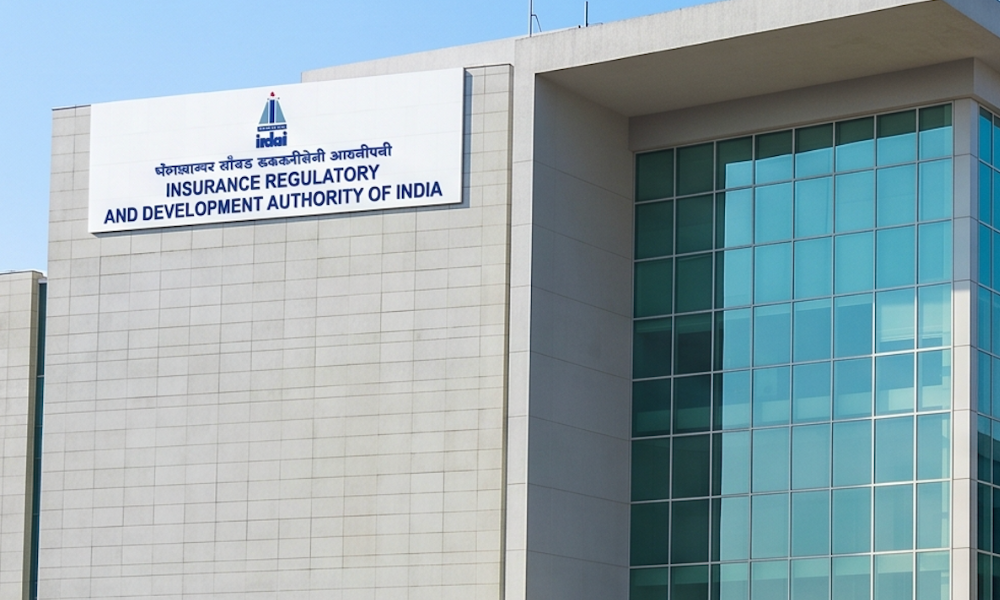
India’s insurance landscape is facing a seismic shift as the Insurance Regulatory and Development Authority of India (IRDAI) moves to implement strict caps on commissions for banks, brokers, and individual agents. This regulatory pivot, outlined in a consultation paper titled Recalibrating Economics of Insurance Distribution, marks a significant departure from the flexible, market-led commission model introduced just three years ago.
The regulator’s primary contention is that distribution costs have escalated at a rate that far outpaces premium growth, effectively forcing policyholders to subsidize unsustainable intermediary fees. By re-establishing firm ceilings, the IRDAI aims to shift the industry toward a structure that rewards meaningful service and product complexity rather than sheer volume.
Market Reaction and Investor Jitters
The announcement sparked immediate volatility in the markets. Shares of major players like PB Fintech, the parent company of Policybazaar, plunged by 20%, hitting their daily lower circuit. Other significant entities, including Turtlemint, Max Financial Services, and Canara HSBC Life, also suffered double-digit losses. Analysts suggest that the depth of the proposed cuts caught the market off guard, with online platforms appearing to be the most vulnerable to the new fee structure.
Under the proposed rules, intermediaries will face tiered commission limits. For life insurance, first-year commissions for brokers and banks will be capped between 5% and 20%, whereas individual agents enjoy slightly higher margins of up to 25%. The crackdown is most severe for the lending sector; banks and non-bank lenders will see commission caps slashed to a range of 2% to 5% for policies bundled with loans. Furthermore, the regulator is moving to ban volume-linked incentives, such as junkets or sponsored trips, which have historically been used to drive sales.
A New Era for Foreign Insurers
The regulatory tightening coincides with a pivotal moment for global insurance giants. Following last year’s legislative amendments that allowed for 100% foreign ownership of Indian insurers, companies like Aviva have moved to secure full control of their Indian operations. Aviva, having recently agreed to acquire the remaining 26% stake from Dabur Invest Corp, now faces the challenge of scaling its business under this restrictive new regime.
Similarly, Bupa, which holds a controlling interest in Niva Bupa, is watching closely. With the health insurance sector facing some of the most granular commission caps, the cost of acquisition for these foreign entrants is set to rise, potentially forcing a recalibration of their long-term growth targets in the Indian market.
Accountability and Consumer Protection
Beyond commissions, the IRDAI is instituting a robust accountability framework. The regulator is introducing mandatory cost audits and requiring that the identity of every individual salesperson be linked to the policies they sell. Any proven instances of mis-selling could lead to the clawback of commissions and public disclosure of the incidents. Additionally, the regulator is targeting predatory digital practices, specifically banning “dark patterns” that force users to surrender personal data before accessing product details.
This preemptive approach mirrors international trends, particularly those seen in the UK, where the Financial Conduct Authority (FCA) has clamped down on opaque commission structures in the GAP insurance and motor finance sectors. However, while the FCA relies heavily on “fair value” principles and supervisory pressure, the IRDAI is opting for clear, numerical hard caps.
As the industry prepares for the October 25 deadline for feedback, a fierce period of lobbying is expected. Banks, which currently account for more than half of private life insurers’ individual new business premiums, are likely to challenge these limits. For now, the message from the regulator is clear: the era of volume-driven, high-cost distribution is coming to an end.
Disclaimer: This content is auto-generated for informational purposes only.
Source: Read Original News