









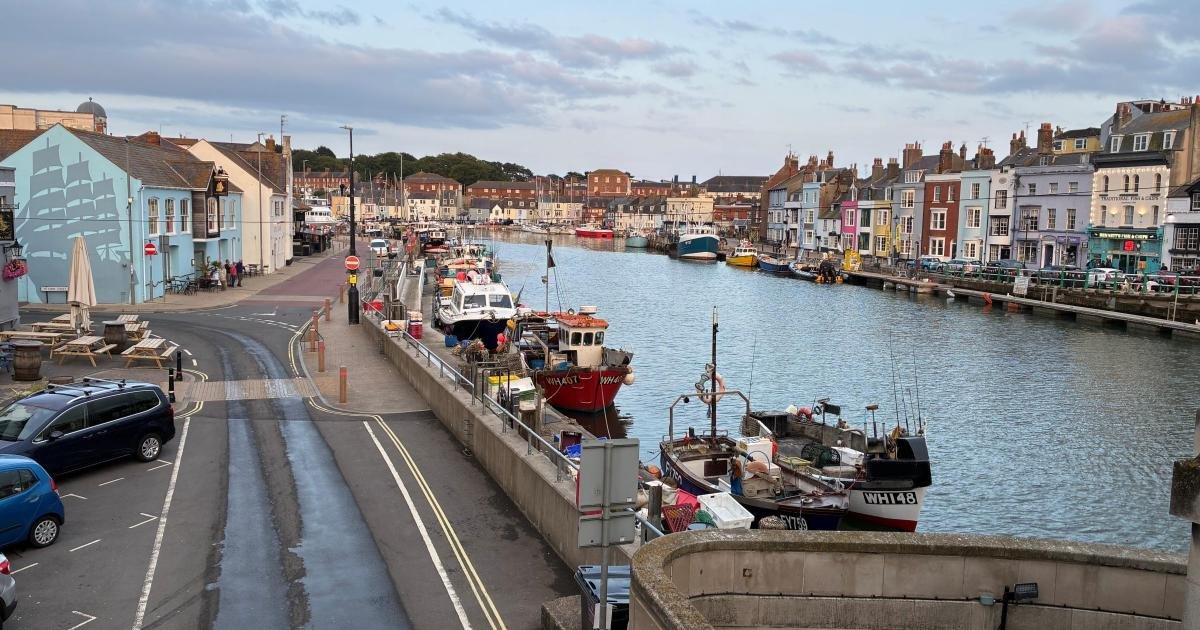
Dorset’s harbours are reporting a resilient financial performance following the summer season, despite shifting economic trends that have seen boat owners tightening their belts.
Harbours manager Ed Carter has confirmed that while the region’s three primary harbours remain in a healthy financial position, user habits have evolved. Many boat owners are choosing to limit their time on the water or opting to tow and launch vessels from public slipways rather than maintaining costly private moorings.
Mr Carter, who also serves as Weymouth Harbour Master, described the summer as a “positive and busy” period. In Weymouth, the marina reached 88 per cent occupancy during the peak month of August. While this figure fell slightly below traditional trends and visitor vessel income saw a 5.7 per cent dip, the harbour offset these losses with strong performance elsewhere. Slipway and watersports activity surged by 27 per cent, and income for the harbour rose £157,000 above budget. The total forecast surplus for Weymouth has been upgraded to £675,000.
The success in Weymouth was bolstered by harbour-side food festivals and artisan markets held throughout the summer, which generated significant additional revenue. Following this success, five dates have already been secured for similar events between May and September next year.
At West Bay and Lyme Regis, Harbourmaster James Radcliffe reported a “positive and productive season.” While Bridport experienced lower numbers for single launches, demand for storage remained high, and the harbour saw an increase in shop sales and income from air fills. Bridport is projected to record a surplus of £71,800, despite missing targets for car park and mooring revenue.
Lyme Regis saw an increase in both shop sales and single launches, maintaining a private mooring occupancy of 78 per cent. The harbour is currently on track for a balanced budget, aided by strategic savings on seasonal staffing costs, which helped offset higher fuel expenses and lower-than-anticipated licence income.
Harbours business manager Claire Connelly confirmed that the overall financial outlook for the three harbours remains robust. While individual metrics such as quayside parking and visiting fishing vessel numbers have fluctuated—partly due to vessels becoming permanent residents rather than transient visitors—the combined financial health of the facilities remains strong.
As the season concludes, harbour officials are looking ahead, focusing on maintaining steady use and diversifying income streams through events and increased public slipway access to navigate the changing maritime landscape.
Disclaimer: This content is auto-generated for informational purposes only.
Source: Read Original News