







The Rise and Fall of Project Goliath
The gaming industry is often defined by the projects that never reach the public eye. Recent reports have shed light on a significant collaboration attempt between Ubisoft Milan and Nintendo that, had it succeeded, would have radically shifted the landscape of the Legend of Zelda franchise. Following the commercial and critical success of Mario + Rabbids: Sparks of Hope, the team at Ubisoft Milan sought to expand their influence within the Nintendo ecosystem. In early 2023, the studio pitched an ambitious project internally codenamed Goliath.
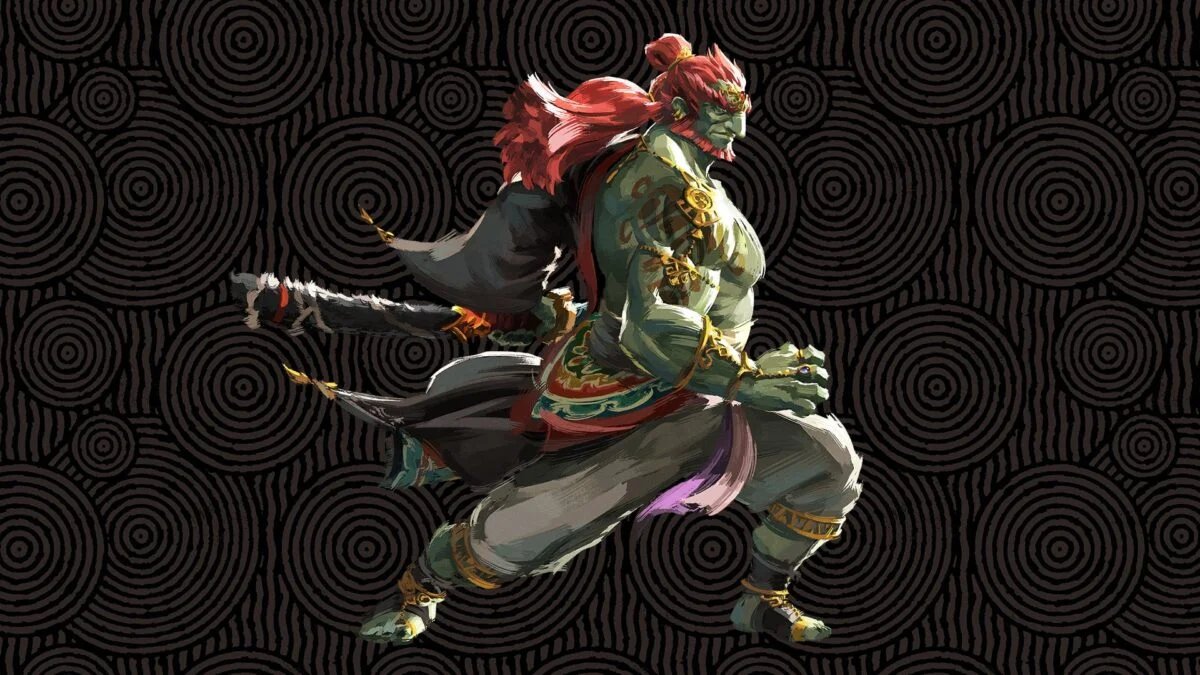
The initial pitch focused on a spin-off title featuring an entirely new protagonist within the Zelda universe. Nintendo, known for its protective stance regarding its intellectual property, expressed interest in the core concept but suggested a dramatic pivot: rather than a new hero, the game should center on Ganondorf, the iconic antagonist of the series. This request transformed the project from a standard expansion of the Zelda world into a character study of its most notorious villain. Under the leadership of Ubisoft veteran Davide Soliani, a specialized team was assembled to develop a playable prototype by the end of 2023. This rapid development cycle was intended to prove that a darker, villain-centric narrative could exist within the established Nintendo framework.
The Prototype and Subsequent Rejection
By November 2023, the Ubisoft Milan team successfully completed their prototype. While specific gameplay mechanics remain undisclosed, the project represented a significant technical departure from the tactical strategy genre that defined the team’s previous work with the Mario + Rabbids series. The prototype served as a litmus test for both the creative direction and the technical feasibility of a more mature, narrative-driven Zelda entry.
However, the collaboration stalled upon the presentation of the work to Nintendo. Despite the initial enthusiasm for the Ganondorf-led concept, Nintendo ultimately rejected the prototype. The specific reasoning behind this decision remains shrouded in corporate discretion. For the development team, this was a critical blow. The rejection not only halted the immediate progress of the project but also created a ripple effect that destabilized the long-standing working relationship between the two companies. In the months following the rejection, Ubisoft attempted to maintain the partnership by proposing concepts based on other Nintendo properties, such as Star Fox or further installments in the Mario universe. By early 2024, however, these efforts failed to gain traction, and direct communication between the two parties reportedly began to decline.
The Human Cost of Canceled Ambitions
The impact of a canceled project of this magnitude extends beyond the balance sheets and corporate strategy documents; it significantly alters the professional trajectory of the developers involved. In July 2024, the fallout became public as key figures from Ubisoft Milan—including Davide Soliani, Cristina Nava, and Gian Marco Zanna—resigned from the company. These individuals were instrumental in the success of the Mario + Rabbids franchise, and their collective departure marked a major shift for the studio.
In subsequent interviews, the team members cited the cancellation of their ambitious, unannounced project as the primary catalyst for their departure. When creative passion is directed toward a project that never reaches the production phase, the result is often a loss of momentum and morale. The departure of these veterans highlights a recurring theme in software development: the fragility of creative output when it is entirely dependent on the approval of external stakeholders. Since leaving Ubisoft, these developers have formed a new studio called Day 4 Night, where they are currently shifting their creative efforts toward an original platformer titled Bradley the Badger.
Technological and Creative Implications for Nintendo
The cancellation of Project Goliath raises questions regarding Nintendo’s approach to its third-party partnerships. Nintendo is famously selective about how its iconic characters are handled. Allowing a studio like Ubisoft to experiment with Ganondorf suggests that Nintendo was briefly willing to explore a more experimental, perhaps darker trajectory for one of its most recognizable villains. The rejection of the prototype indicates that the concept likely diverged too sharply from the internal standards or the long-term vision Nintendo maintains for the Zelda property.
For the broader gaming industry, this situation serves as a case study in the risks of inter-studio collaboration. While the partnership between Ubisoft and Nintendo produced two successful tactical titles, the failure of the next step illustrates the difficulty of bridging the gap between two different corporate cultures. Nintendo prioritizes consistency and brand control, while developers often seek to push boundaries through experimentation. When those two priorities clash, even the most talented teams can find themselves at an impasse.
Looking Beyond the Zelda Spin-off
The dissolution of the collaboration between Nintendo and the Ubisoft Milan team marks the end of an era for that particular studio. For fans of the Mario + Rabbids series, the departure of the core creative team leaves the future of that sub-franchise uncertain. The technical expertise required to translate turn-based tactics into a world as vibrant as the Mario universe was a defining achievement for Ubisoft Milan, and the loss of that institutional knowledge is significant.
As the industry moves forward, the story of Project Goliath will likely be remembered as a missed opportunity to see a high-profile villain receive his own spotlight. While the prototype remains locked away in an archive, the move by the former Ubisoft developers to create an independent studio suggests that the drive for creative freedom remains strong. The industry continues to evolve, and while this specific collaboration may have concluded, the lessons learned from the rapid prototyping of high-stakes IP will surely inform the future projects of both Nintendo and the newly formed Day 4 Night team. The legacy of this event is a reminder that in software development, the most influential games are sometimes the ones that never make it to the retail shelf.
Disclaimer: This content is auto-generated for informational purposes only.
Source: Read Original News