





G4 Nations Demand Urgent UNSC Overhaul, Cite Erosion of Global Credibility
NEW DELHI: On the sidelines of the United Nations General Assembly (UNGA) in New York, the G4 bloc—comprising India, Japan, Brazil, and Germany—has issued a scathing assessment of the current United Nations Security Council (UNSC). In a joint ministerial statement, the group declared that the UN’s most powerful organ is increasingly losing its relevance, asserting that its failure to address modern crises has severely undermined its capacity to maintain international peace and security.
A Legacy Architecture in a Modern World
The G4 nations emphasized that the primary obstacle to effective global governance is the UNSC’s rigid, eight-decade-old structure. Designed in the aftermath of the Second World War, the Council’s architecture remains anchored in the geopolitical realities of 1945. According to the ministers, this “anachronistic” framework acts as a major bottleneck, preventing the international community from responding decisively to contemporary conflicts and emerging security threats that define the 21st century.
“The representativeness, legitimacy, and efficacy of the Security Council are currently in question,” the joint statement noted. The ministers argued that without a significant structural update, the Council risks becoming a bystander to history, unable to fulfill its core mandate due to internal gridlock and a lack of alignment with current global dynamics.
The Push for Permanent Representation
Central to the G4’s agenda is the demand for an expansion of the UNSC in both permanent and non-permanent membership categories. India, alongside its G4 partners, has long advocated for a seat at the permanent table, arguing that the Council cannot claim to represent global interests while excluding some of the world’s largest economies and most influential democratic powers.
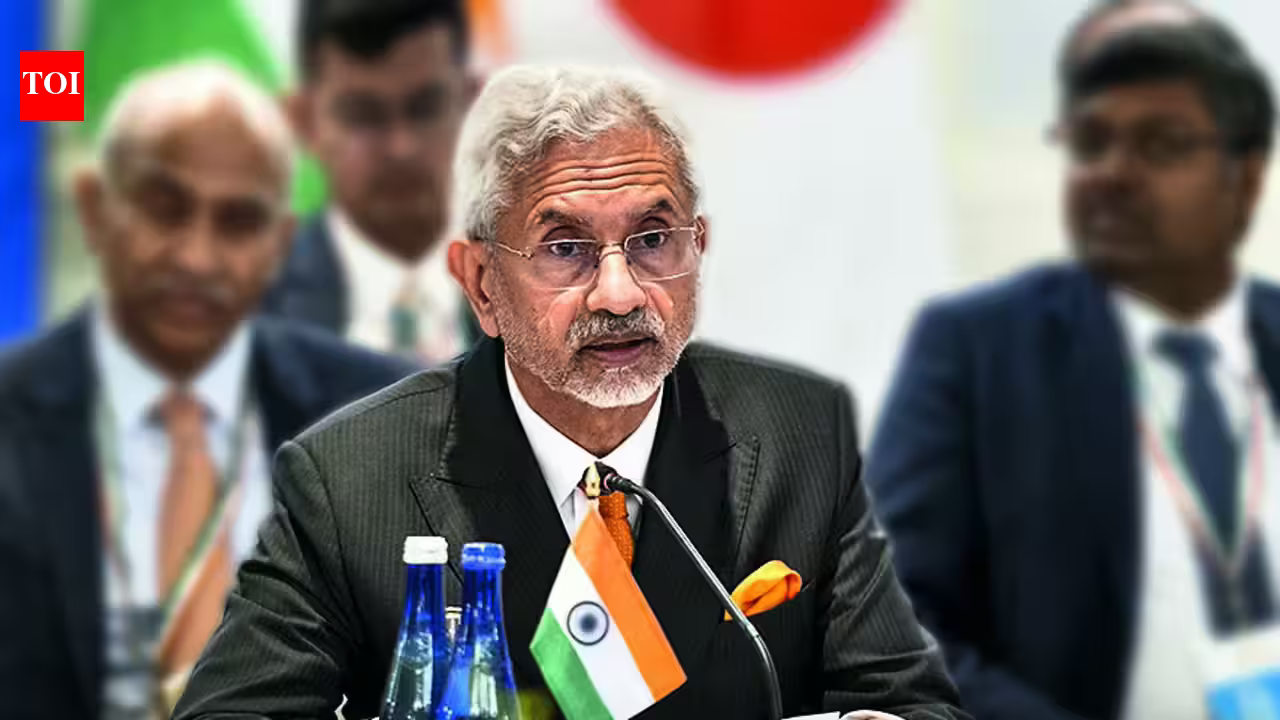
External Affairs Minister S. Jaishankar, who represented India at the discussions, took to social media to highlight the urgency of the situation. “Discussed the imperative of reformed multilateralism and a more representative, responsive, and effective UN Security Council that reflects today’s global realities,” Jaishankar wrote on X. He reaffirmed that India would continue to collaborate with its G4 counterparts to champion this “shared objective,” which they view as vital to restoring the UN’s standing on the world stage.
A Call for “Fit-for-Purpose” Multilateralism
The ministers underscored that their push for reform is not merely a diplomatic aspiration but a functional necessity. They argued that the Council must be “fit-for-purpose” to navigate the complex security landscape of the future. By broadening the membership, the G4 believes the UN can bridge the widening gap between the elite decision-making core and the broader, diverse membership of the General Assembly.
The G4 noted that their call for reform is gaining traction, pointing out that a significant majority of UN member states now recognize that the status quo is unsustainable. As geopolitical tensions rise across Europe, the Middle East, and the Indo-Pacific, the G4 bloc remains steadfast in its position: the UNSC must evolve or risk losing the last vestiges of its credibility as the guardian of global peace. Whether this collective pressure will break the long-standing inertia at the UN remains the defining diplomatic challenge for the coming year.
Disclaimer: This content is auto-generated for informational purposes only.
Source: Read Original News