






Lawyers for Paramount and California took a united front in a virtual courtroom Thursday, urging a federal judge to approve a contentious settlement regarding the studio’s massive acquisition of Warner Bros. Discovery. The hearing marked a stark reversal from the hostile legal battles that previously defined the merger proceedings, as both sides argued that the deal—while imperfect—serves the broader interests of the entertainment industry.
A High-Stakes Legal Balancing Act
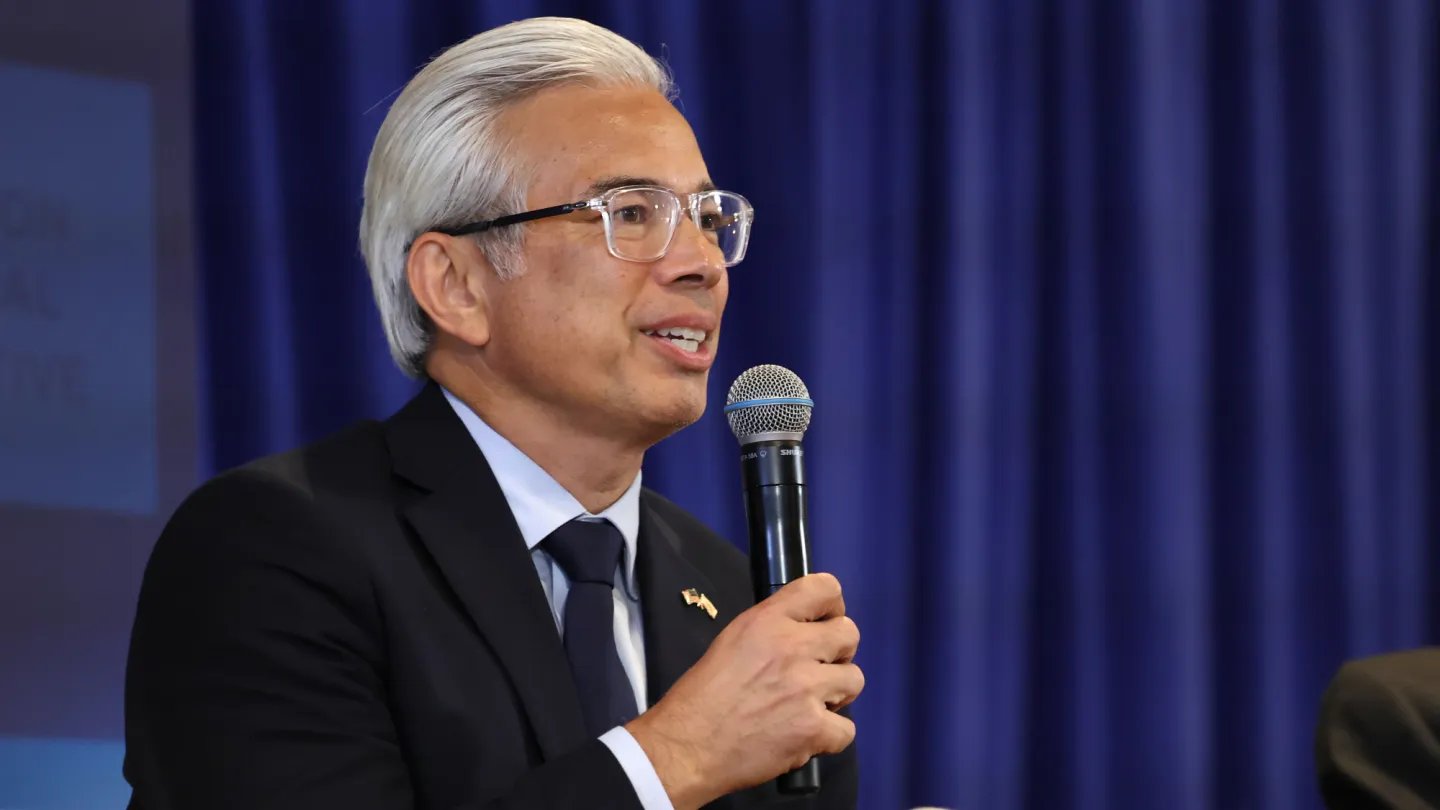
Lead attorney for the California Attorney General’s office, Paula Blizzard, spearheaded the defense of the settlement, emphasizing that the state’s primary goal was to protect theater owners—a key constituency that has publicly backed the merger. Blizzard rejected the notion that Paramount’s previous threats to relocate from California influenced the decision to settle, labeling such claims as “blackmail” that holds no weight in an antitrust context.
Instead, the legal team framed the merger as the “lesser of two evils.” By opting for a five-year consent decree, regulators believe they have secured a structure that maintains market competition better than allowing the assets to be sold off to other potential buyers, such as Netflix, which had previously vied for control. However, U.S. District Judge Araceli Martinez-Olguin expressed pointed skepticism during the session, questioning whether the proposed remedies—such as rules preventing the consolidation of power in cable negotiations—are robust enough to prevent market manipulation, specifically regarding the bundling of popular channels like CBS.
Financial Hurdles and the Debt Mountain
Beyond the courtroom, the deal represents the largest leveraged buyout in media history. Paramount is preparing to secure approximately $44.4 billion in new debt, which will be added to the existing liabilities of Warner Bros. Discovery. The total debt burden is projected to exceed $80 billion, a staggering figure that casts a shadow over the company’s ambitious growth plans.
To justify the risk, Paramount is leaning on projections of massive scale. Securities filings suggest the combined entity aims to generate $69 billion in revenue by 2026, with an emphasis on aggressive streaming expansion. Analysts at Morgan Stanley estimate that the merged giant could reach 240 million subscribers by 2030, potentially solidifying its position as a top-tier competitor behind Netflix. Yet, the cost of servicing this debt remains a massive vulnerability. With interest expenses estimated to hit $6.4 billion by 2027, the company will face immense pressure to maintain high free cash flows and successfully refinance existing obligations in a potentially volatile economic climate.
Industry Resistance and Future Uncertainty
The path to closing the deal remains rocky, with a growing coalition of critics attempting to block or delay the transaction. A diverse array of organizations—ranging from the Freedom of the Press Foundation to the International Documentary Association and various civil rights groups—have filed briefs or expressed concerns regarding the merger’s impact on minority representation and media diversity. These groups worry that the consolidation will shrink the number of voices in news and production, an area where the current settlement offers little protection.
CEO David Ellison faces the daunting task of navigating these regulatory, financial, and public relations minefields. With high-profile backers like Larry Ellison and potential interest from prominent figures such as Elon Musk, the merger has no shortage of financial muscle. However, the ultimate test for the new media colossus will be whether it can fulfill its promise to continue investing in quality content while simultaneously buckling under the weight of historic debt. For now, the decision rests with Judge Martinez-Olguin, who must determine if the proposed safeguards are enough to protect the marketplace from a titan that threatens to rewrite the rules of Hollywood.
Disclaimer: This content is auto-generated for informational purposes only.
Source: Read Original News