







The Pentagon’s Defense Innovation Unit (DIU) has officially launched a high-stakes solicitation aimed at integrating private capital and advanced environmental monitoring technology into its operational framework. This pilot program marks a significant pivot for the Department of Defense (DoD), signaling an intent to leverage commercial innovation to address the dual challenges of maritime situational awareness and the escalating environmental pressures placed on global shipping lanes and naval infrastructure.
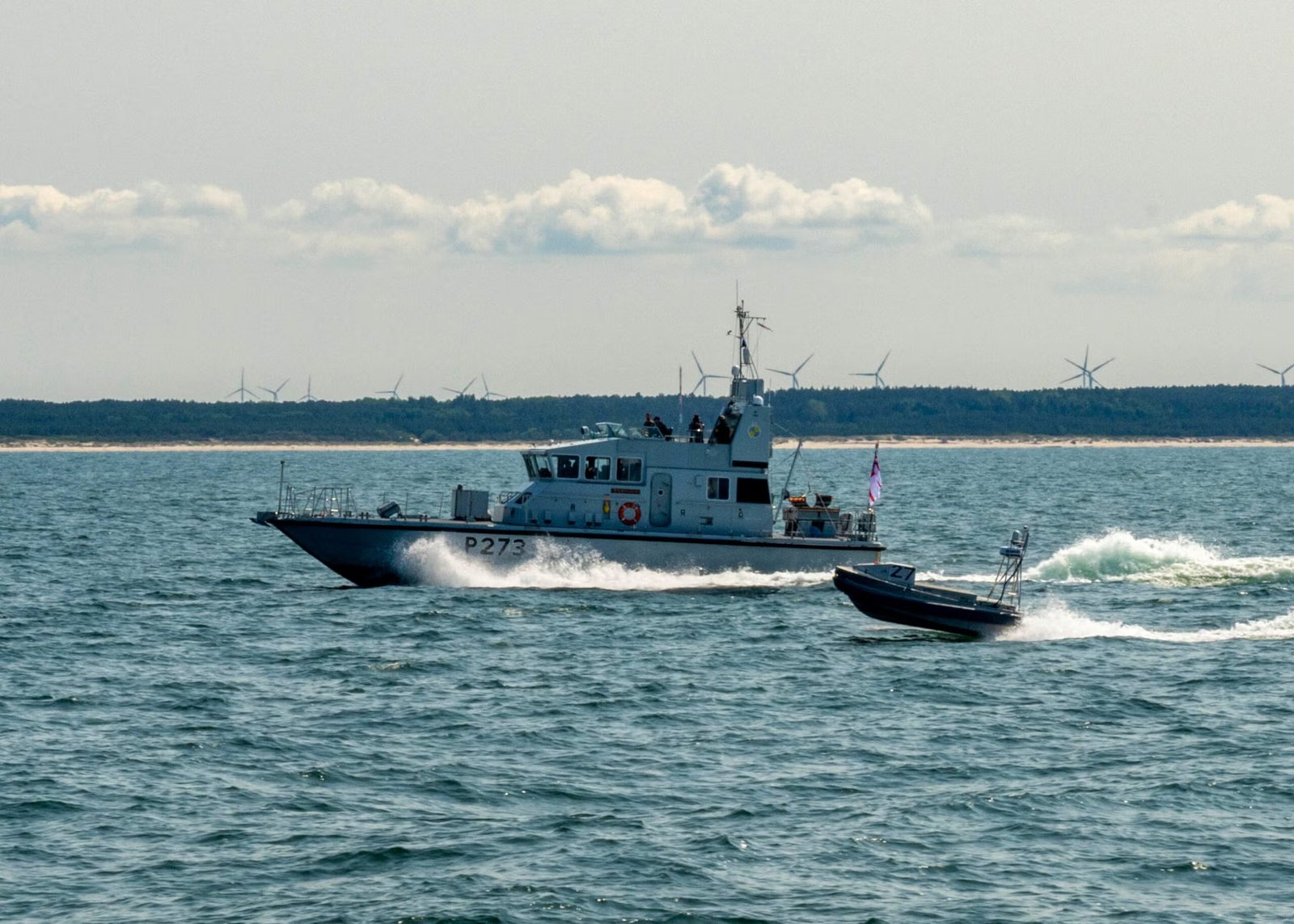
At the core of this initiative is a push to develop a scalable, sustainable, and highly efficient network of autonomous platforms—similar to the Remotely Operated Surface Vessels (GARC) recently highlighted during BALTOPS 2025 exercises. By soliciting private sector firms, the DIU aims to fast-track the deployment of technologies that can perform long-duration environmental sensing, data collection, and threat detection in contested or environmentally sensitive waters.
The environmental implications of this solicitation are twofold. First, the move reflects the military’s increasing focus on “green” defense logistics. By utilizing autonomous, energy-efficient vessels for patrol and survey operations, the Pentagon aims to reduce the carbon footprint associated with large-scale naval deployments. Traditional surface ships often require massive, carbon-intensive fuel logistics chains; decentralized, autonomous fleets promise to operate with significantly lower fuel consumption, potentially utilizing hybrid-electric or renewable power sources that the DIU is now actively seeking to validate for military use.
Second, the solicitation emphasizes the role of real-time environmental data in national security. As climate change accelerates—manifesting in shifting ice patterns, rising sea levels, and the opening of new, previously inaccessible maritime corridors—the military requires sophisticated environmental intelligence. The DIU is looking for systems capable of monitoring ocean health, acoustic signatures, and meteorological shifts in real-time. This data is critical not only for navigation safety but for tracking the secondary effects of environmental degradation on maritime borders.
“The ability to sense and understand the environment in real-time is no longer just a scientific endeavor; it is a strategic imperative,” said a representative close to the DIU initiative. “By bringing in private capital and innovation, we are looking to bridge the gap between commercial sustainability goals and defense requirements.”
Private capital firms play a vital role in this new model. The DIU’s solicitation requests that investment entities provide not only the funding necessary to scale manufacturing but also the business expertise to ensure that these dual-use technologies remain commercially viable. This strategy reflects a broader trend within the Pentagon to move away from sole-source military contracting and toward an ecosystem where defense-grade environmental sensors are developed alongside civilian climate-tech solutions.
The integration of these systems is expected to have a lasting impact on how the DoD interacts with the maritime environment. By fostering the development of autonomous sensors that can operate for weeks at a time without refueling, the DoD is essentially building a “persistent monitor” for the world’s oceans. Such platforms can detect anomalous environmental activity—such as illegal dredging, hazardous chemical leaks, or massive coral reef disturbance—while simultaneously providing a security umbrella for international trade.
Critics of the integration of military technology into environmental monitoring often raise concerns regarding the militarization of oceanic research data. However, the DIU maintains that the data collected through these platforms will adhere to established protocols for scientific transparency, potentially contributing to a global repository of oceanic climate data.
As the solicitation period progresses, the DIU expects to receive proposals from a diverse array of firms ranging from established aerospace and defense contractors to venture-backed climate-tech startups. The pilot effort is projected to move into a prototyping phase by late 2026, with the successful candidate receiving federal backing to transition their technologies into full-scale operational deployment. For the defense sector, this marks a fundamental shift toward an era where the protection of the nation is inextricably linked to the ability to monitor and preserve the environmental stability of the maritime domain.
Disclaimer: This content is auto-generated for informational purposes only.
Source: Read Original News