






A pioneering initiative led by Kingston University is set to transform access to environmental science for young people from underrepresented backgrounds, aiming to dismantle the systemic barriers that have long prevented diverse talent from entering green careers. The project, titled Mapping Futures 2: Reframing Environmental Science Pathways in Further Education, has secured £600,000 in funding from the Natural Environment Research Council (NERC), part of UK Research and Innovation (UKRI).
The 33-month initiative directly addresses the glaring lack of representation of minoritised ethnic groups and neurodivergent learners in environmental fields. While research consistently indicates that these demographics possess a strong commitment to climate and environmental justice, they are frequently excluded from the academic and professional pipelines that lead to careers in the sector. Experts attribute this gap to structural and institutional failings within post-16 education, where environmental science is often either fragmented across various subjects or completely absent from the curriculum.
Led by Dr. Kerry Brown, Associate Professor in the Department of Geography, Geology and the Environment, the project leverages expertise from all four Knowledge Exchange and Research Institute (KERI) areas at Kingston University. By collaborating with the Field Studies Council, The Selby Trust, and various colleges and sixth forms across North and East London, the team aims to bridge the disconnect between the academic study of the environment and the lived experiences of students.
“Outreach shouldn’t be a one-off event,” said Dr. Brown. “There’s a huge underrepresentation of those from minoritised ethnicities and neurodivergent backgrounds in this sector right across the world and we’re passionate about addressing this. We believe through this project we can help knock down the systemic barriers and make a real change because we know from previous work there is huge interest in environmental science in a time when climate change is becoming increasingly real.”
The project’s methodology is rooted in experiential and sensory-aware learning. Students will engage in hands-on workshops focused on practical applications of environmental science, such as earth-building techniques, sustainable construction, and carbon accounting. These sessions are designed to allow students to document environmental change through digital storytelling, film, and sound, effectively connecting their personal perspectives to formal scientific practice.
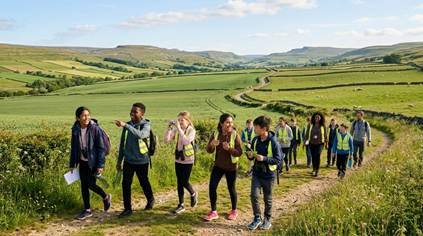
A cornerstone of the initiative is a fully funded, two-day residential fieldwork trip. This experience is intentionally designed to be sensory-aware, ensuring that neurodivergent learners can participate fully in ecological sampling and rewilding workshops. Furthermore, the residential component features peer mentoring led by the Field Studies Council Youth Panel, providing students with direct access to role models already established within the sector.
To measure the efficacy of these interventions, researchers will track participants’ career intentions, university applications, and subject choices for six months following the conclusion of the project. This data will be vital in the final phase of the initiative, during which the team intends to co-develop a national strategic framework for further education colleges.
The ultimate goal of Mapping Futures 2 is to create a blueprint for inclusive education. By providing colleges with adaptable curriculum strategies and inclusive pathway design guides, the project seeks to move beyond temporary interventions and toward sustainable institutional change. The findings and student-produced media will be presented directly to national stakeholders, including the All-Party Parliamentary Group on Education, to advocate for a more equitable approach to climate education.
As the demand for expertise in environmental science grows alongside the urgency of the climate crisis, this project serves as a crucial step toward ensuring that the next generation of environmental leaders accurately reflects the diversity of the society they are working to protect.
Disclaimer: This content is auto-generated for informational purposes only.
Source: Read Original News