






The Rise and Rapid Retirement of the Copilot Plus PC Brand
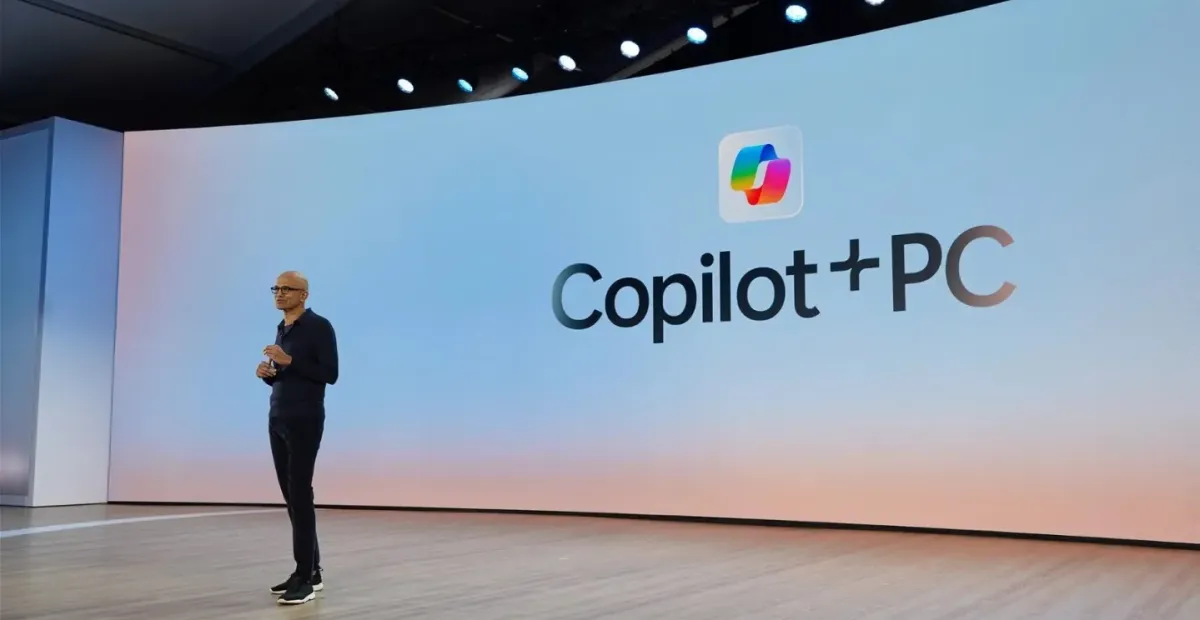
When Microsoft introduced the “Copilot Plus PC” designation in early 2024, it served as a definitive marker for a new era of personal computing. The premise was straightforward: to earn the badge, a laptop had to feature a Neural Processing Unit (NPU) capable of at least 40 trillion operations per second (TOPS), along with specific memory and storage requirements. These specifications were intended to signal to consumers that a device possessed the requisite silicon “muscle” to handle sophisticated local artificial intelligence tasks, such as live captioning, image generation, and background blurring in real-time.
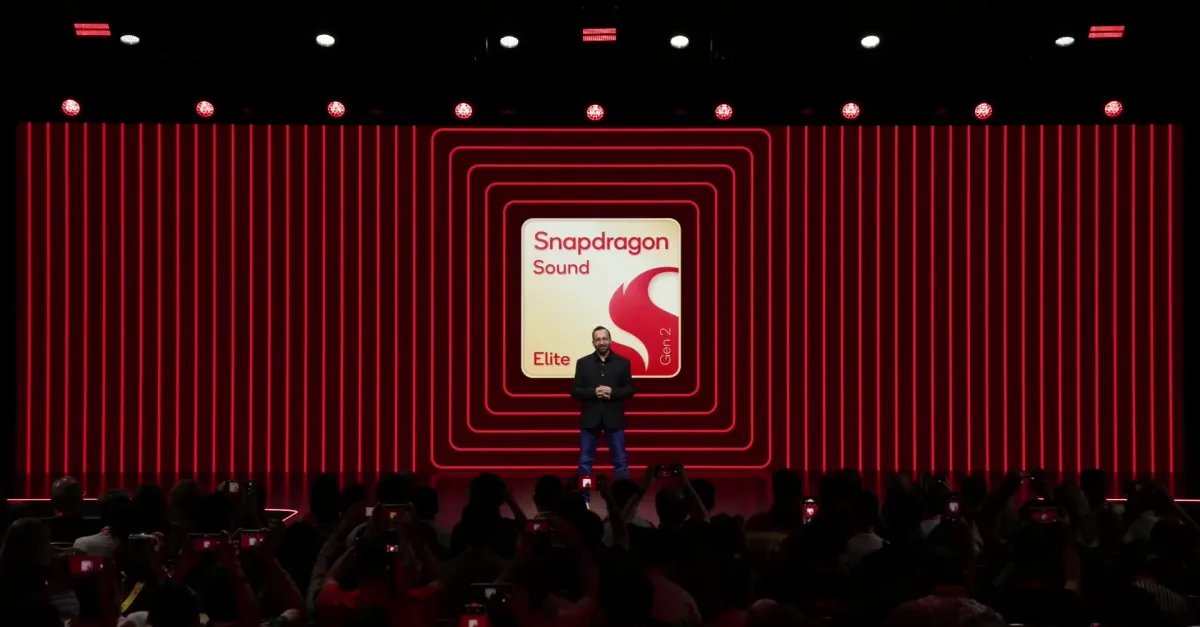
However, the industry is already witnessing a pivot. Recent discussions involving Qualcomm executives, including Kedar Kondap, suggest that the “Copilot Plus PC” branding may be nearing its conclusion. As the hardware landscape shifts, Microsoft and its manufacturing partners appear ready to move away from a label that was designed to differentiate premium hardware in a market that is quickly becoming saturated with AI-capable silicon.
Hardware Standardization Renders Niche Labeling Obsolete
The decline of the Copilot Plus PC brand is a consequence of its own success. When the standard was first established, high-performance NPUs were a rarity found only in flagship, high-cost devices. Within a year, the silicon landscape shifted dramatically. Today, almost every major chip manufacturer—including Intel, AMD, and Qualcomm—has integrated powerful NPU technology into their mid-range and even entry-level processors.
Because the underlying requirement for “Copilot Plus” status—the presence of an NPU—has effectively become the industry standard, the badge has lost its utility as a market differentiator. When virtually every new laptop on the shelf meets the technical criteria for the brand, the branding itself serves little purpose for consumers or retailers. By removing the distinction, Microsoft is acknowledging that local AI processing is no longer a luxury feature reserved for high-end PCs but a fundamental component of the modern computing experience.
Navigating Public Perception and Feature Missteps
Technical standardization is only one factor in the decline of the brand. The marketing strategy faced significant headwinds due to the turbulent reception of the software features intended to define it. The most prominent example is “Recall,” an AI-powered feature designed to capture a searchable history of user activity. While conceptually ambitious, the rollout was plagued by security concerns and technical challenges, causing Microsoft to delay the release and rethink its implementation.
Furthermore, the introduction of a dedicated “Copilot key” on laptop keyboards met with mixed reviews. Many users perceived the addition as an intrusive attempt to force AI adoption, prompting feedback that eventually forced Microsoft to allow users to remap the key for other functions. When a hardware badge becomes synonymous with controversial software choices and unwanted hardware design changes, companies often choose to “soft launch” a new brand identity to distance themselves from past frustrations while maintaining the underlying technological progress.
The Pivot Toward Discrete AI Processing
The strategy for local AI on Windows is undergoing a fundamental shift, moving beyond the reliance on integrated NPUs to include more potent hardware. Reports indicate that Microsoft is deepening its collaboration with Nvidia, potentially integrating discrete RTX-class GPUs into a new wave of high-performance laptops. While the current generation of NPUs is excellent for background tasks and power efficiency, discrete graphics hardware offers significantly higher throughput for complex AI models that require substantial computational density.
This development signals a shift in focus from “basic” AI capability to high-performance local inference. If Microsoft intends to push the PC into new domains like advanced content generation or sophisticated data analysis, the current “Copilot Plus” baseline might be insufficient. The transition to new hardware partners suggests that the next generation of Windows AI will be categorized not by the presence of a baseline NPU, but by the level of graphical and parallel processing power under the hood.
Anticipating the Next Chapter of Local AI
As Microsoft prepares for its upcoming events, the industry anticipates a replacement for the Copilot Plus brand that reflects these new hardware realities. A new branding strategy will likely focus on “experiences” rather than raw specifications. Companies often move toward tiers of performance, such as labeling machines based on their ability to run local Large Language Models (LLMs) or their efficacy in creative software suites, rather than simply identifying them as “AI-capable.”
This evolution reflects a broader trend in the tech industry: AI is transitioning from an “added feature” to the operating system’s core fabric. The goal for Microsoft is to ensure that the hardware powering Windows is invisible to the user, providing seamless performance without needing a sticker to justify the purchase. By sunsetting the Copilot Plus moniker, Microsoft is not abandoning AI; it is preparing for a future where the distinction between a standard PC and an AI-optimized PC becomes entirely non-existent. The upcoming announcements will likely prioritize how these devices contribute to productivity and system longevity, marking the final transition of AI from a niche marketing term to an essential, ubiquitous utility.
Disclaimer: This content is auto-generated for informational purposes only.
Source: Read Original News