








Exotic Wildlife Seizure: Five Orangutans Found in Odisha Forest Highlight Growing Trafficking Crisis
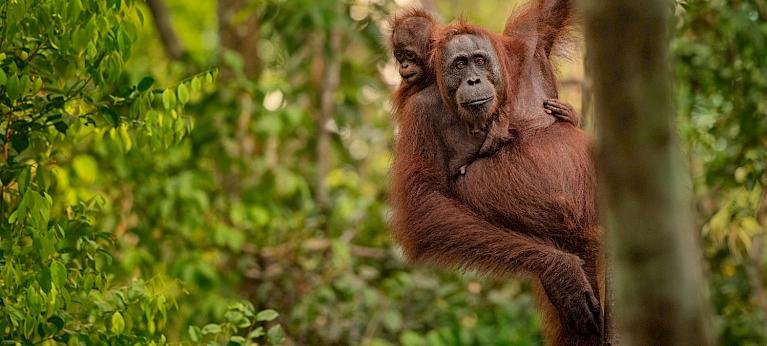
In a startling discovery that has sent shockwaves through wildlife conservation circles, forest department officials in Odisha’s Balasore district stumbled upon five orangutans during a routine patrol in the Jaleswar range on September 8. The presence of these great apes, which are native exclusively to the tropical rainforests of Indonesia and Malaysia, marks a significant and alarming development in India’s ongoing battle against international wildlife smuggling.
While the investigation into the origins of the “Odisha-five” is currently in its infancy, authorities suspect a deep-rooted involvement of international trafficking syndicates. The incident underscores a recurring trend: India is increasingly becoming a destination for the illicit trade of exotic species, driven by a surging and often unregulated domestic demand for “exotic pets.”
A Global Network of Illicit Trade
The apprehension in Odisha is not an isolated event. Recent data released by the wildlife trade monitoring network, TRAFFIC, paints a grim picture of the regional landscape. Between January 2016 and December 2025, over 140 incidents involving the poaching, rescue, or seizure of orangutans were recorded across Indonesia, Malaysia, and Thailand. These cases collectively involved 159 live individuals, a significant majority of whom were juveniles, plucked from their natural habitats to supply the global black market.
The illicit pipeline is vast and complex. Beyond Southeast Asia, smuggling attempts have been linked to countries as diverse as Russia, South Korea, the United States, Australia, and the United Kingdom. However, the recurring nature of these seizures within India suggests that the country has become a major transit point or final destination for illegally captured wild fauna.
India’s Emerging Role as a Hub for Wildlife Trafficking
This is not the first time such an exotic animal has surfaced in India. In November 2024, a joint raid on a residential flat in the suburbs of Mumbai led to the rescue of a juvenile orangutan alongside a dozen other endangered species. This incident revealed a clandestine world where wild animals are treated as luxury commodities, hidden in urban apartments far from their native jungles.
Kanitha Krishnasamy, Director for TRAFFIC in Southeast Asia, notes that the Odisha seizure is symptomatic of a larger, systemic problem. “The Odisha seizure emphasizes a multi-year pattern involving India, with thousands of animals being trafficked to the country, very commonly from Southeast Asia,” she stated. “From orangutans to kangaroos, gibbons, red pandas and hornbills, we’ve also seen hundreds and hundreds of wildlife from literally all over the world smuggled into India. The question of where they are all going remains unanswered.”
A Race Against Time for Repatriation
As Indian authorities scramble to map out the supply chain behind this incident, international cooperation has already begun. Recognizing the gravity of the situation, the Indonesian government has moved quickly to initiate the repatriation process. Officials in Jakarta confirmed they are working in close coordination with Indian counterparts to verify the provenance of the apes, ensuring that the rescued animals can eventually be returned to their rightful, protected habitats.
However, the challenge remains daunting. Beyond the threat of human exploitation, the wild populations of orangutans are already under severe stress from habitat loss, agricultural land conversion, and devastating forest fires. With climate-related threats continuing to shrink their available living space, the additional pressure of illegal capture threatens to push these critically endangered species toward an irreversible decline.
For Indian authorities, the mandate is clear: thorough investigations are essential not only to dismantle the criminal networks operating within the country but to provide critical data that could assist global efforts in securing a future for the orangutan in the wild.
Disclaimer: This content is auto-generated for informational purposes only.
Source: Read Original News