







The Rise and Fall of Project Goliath
In the complex ecosystem of modern game development, collaborations between third-party publishers and first-party console manufacturers often result in creative tension. A recently surfaced report regarding a cancelled collaboration between Ubisoft Milan and Nintendo sheds light on the internal processes behind such partnerships. Codenamed “Goliath,” the project was intended to be a significant expansion of the Legend of Zelda universe, envisioned by the same creative team responsible for the successful Mario + Rabbids franchise.
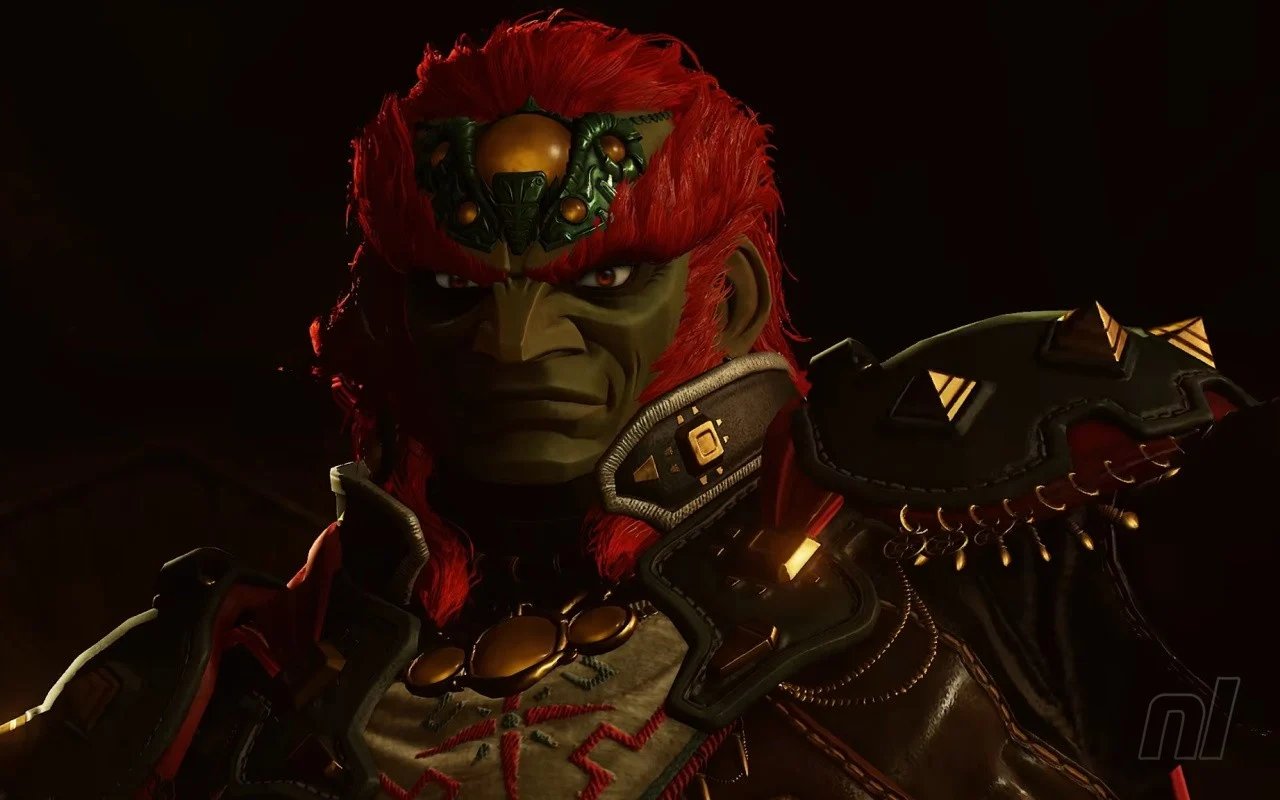
Reporting indicates that the initiative began in late 2022, immediately following the release of Mario + Rabbids Sparks of Hope. The team at Ubisoft Milan, led by creative director Davide Soliani, sought to leverage the success of their existing relationship with Nintendo to develop a project that would shift the landscape of the Zelda intellectual property. The initial pitch involved a spin-off featuring an entirely new protagonist, but following feedback from Nintendo, the design pivot centered on utilizing Ganondorf as the primary player character. This decision represented a structural shift for a brand traditionally anchored by Link, moving the narrative focus toward its most iconic antagonist.
Technical Ambition and Design Constraints
The internal designation “Goliath” served as a moniker for the project’s projected scale and thematic complexity. Ubisoft Milan aimed to move beyond the scope of their previous work, attempting to architect a “new big bang” within Nintendo’s software library. By shifting the perspective to Ganondorf, the development team was essentially tasked with re-engineering the mechanics of a Zelda title to suit the combat and narrative style of a central villain.
Technical challenges in such a pivot are significant. Gameplay loops within the Legend of Zelda franchise are typically predicated on exploration, puzzle-solving, and non-lethal progression. Transitioning the player character to an antagonist such as Ganondorf would have necessitated a fundamental redesign of core systems, including movement, combat mechanics, and environmental interaction. While the team worked through the winter of 2022 to refine this concept, the logistical burden of creating a prototype that balanced the high expectations of Nintendo with the distinct creative signature of Ubisoft Milan likely created a narrow margin for success.
The Prototype Timeline and Final Rejection
Project development followed a structured cadence throughout 2023. By early that year, the team had formalized their conceptual pitch, moving into a prototype phase. Nintendo provided the studio with a deadline extending to the end of 2023 to deliver a functional and compelling demo of the project. This phase serves as a standard stress test in the industry, where publishers evaluate whether a concept can transition from a design document to a viable, scalable software product.
Despite these efforts, the project was terminated in late November 2023. The specific technical or creative reasons for the rejection remain largely opaque, though external observers suggest that the internal alignment required for such a high-profile spin-off is extremely rigorous. Nintendo maintains strict quality control over its primary franchises, and the transition of a major character like Ganondorf into a playable lead requires a degree of thematic consistency that may not have met their internal benchmarks for the brand.
Shifting Sands and Studio Dynamics
The fallout from the cancellation of Goliath appears to have been profound for the organizational structure at Ubisoft Milan. Following the rejection, there were documented attempts to pivot the team toward other established Nintendo intellectual properties. Internal reports suggested that the studio explored potential titles within the Star Fox universe or further projects within the Mario franchise.
However, the period spanning late 2023 and early 2024 proved to be a turning point. During this interval, communication channels between the two organizations reportedly began to degrade. The synergy that defined the success of Mario + Rabbids, characterized by close collaboration and shared creative goals, could not be replicated for these subsequent ventures. This breakdown in cooperation was followed by the dispersal of the development team across various internal projects at Ubisoft and the eventual departure of key personnel, including Davide Soliani, in mid-2024.
Industry Implications for External Collaborations
The cancellation of Project Goliath serves as a reminder of the volatility inherent in external development partnerships. For major publishers, maintaining a portfolio that includes titles developed by outside teams requires constant negotiation between the partner’s unique design philosophy and the platform holder’s desire to protect its proprietary lore and characters.
Historically, Nintendo has approached collaborations with caution, as seen in previous instances where titles like Retro Studios’ proposed Zelda projects did not advance to production. These scenarios highlight a fundamental reality in game development: even with established talent and a track record of success, the threshold for creating a new iteration of a multi-generational franchise remains exceptionally high. The Goliath project was clearly an attempt to push the boundaries of what a Zelda title could represent in terms of narrative structure and character perspective, but it ultimately fell victim to the rigid, iterative process that defines Nintendo’s management of its intellectual property. The legacy of this project serves as a brief glimpse into the internal experimentation that shapes—or in this case, omits—the future of the games industry.
Disclaimer: This content is auto-generated for informational purposes only.
Source: Read Original News