




Students and Digital Creators Step into the Void as Press Freedom Faces Unprecedented Pressure
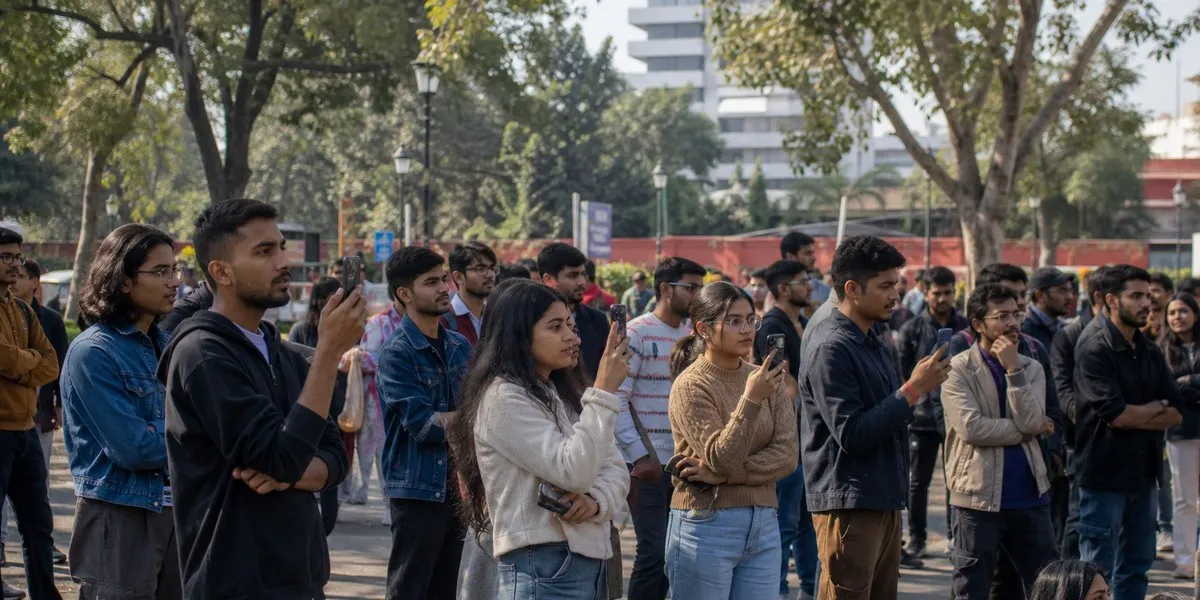
The scorching summer of 2026 in New Delhi will be remembered not only for its heat but for a significant shift in India’s media landscape. As mainstream outlets faced accusations of partisanship, a grassroots movement of students, independent content creators, and citizen journalists stepped forward to fill the void, documenting a period of intense civil unrest that challenged the boundaries of free speech in the country.
In a recent assessment published in Daily Maverick, Ritu Kapur, co-founder and CEO of Quint Digital Limited, highlighted this phenomenon as a vital, yet concerning, development. According to Kapur, the emergence of these alternative voices is a direct response to the diminishing space for independent journalism, which is increasingly burdened by legal, financial, and political constraints.
The Catalyst for Dissent
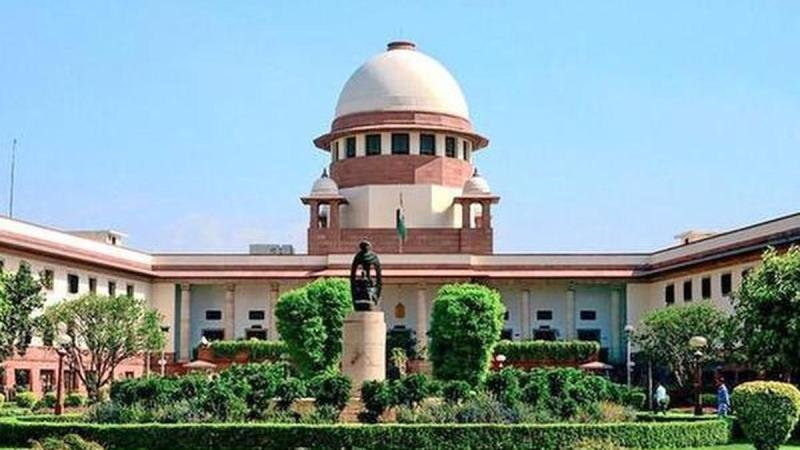
The wave of student mobilization was ignited by a controversial remark from India’s Chief Justice, who earlier in May compared unemployed youth to “cockroaches.” Although the judiciary later clarified that the comment was specifically directed at individuals utilizing fraudulent educational credentials, the damage was done. The remark acted as a spark for a tinderbox of frustration among the nation’s youth.
The digital response was instantaneous and satirical. Abhijit Dipke, an Indian student currently based in Boston, launched the “Cockroach Janta Party” social media page. Playing on the name of the ruling Bharatiya Janata Party (BJP), the satirical page garnered over 22 million followers, reflecting a massive surge in public discontent.
Protests and the Price of Protest
The student movement was further fueled by systemic failures in the education sector, specifically the leak of medical entrance examination materials and widespread irregularities in school board results. These issues left thousands of students in a state of academic limbo, and according to Kapur’s report, the crisis contributed to at least 17 tragic student suicides.
For seven weeks, Jantar Mantar became the epicenter of rallies, hunger strikes, and demands for the resignation of the education minister. The movement faced a heavy-handed response from law enforcement; on July 20, as protesters attempted to march toward the national parliament, police deployed tear gas and batons to disperse the crowds. Reports also indicated the use of internet shutdowns and the restriction of basic necessities like food and water at demonstration sites to weaken the resolve of the participants.
A Media Landscape Under Seige
While major television broadcasters frequently characterized the protesters as “hooligans,” independent creators and young reporters provided live coverage from the front lines, capturing police interactions that might have otherwise gone unnoticed. However, Kapur warns that these citizen-led efforts, while courageous, cannot serve as a permanent substitute for the structural rigor of established, independent newsrooms.
The challenges facing professional journalists remain severe. Under Article 69A of the Information Technology Act, the government wields the power to demand the removal of content based on vague claims of national security or sovereignty. Data cited from The Indian Express indicates that between March and July 2026, the government issued, on average, one blocking order per minute.
Beyond content censorship, media organizations are contending with relentless tax audits, anti-money laundering investigations, and the seizure of digital equipment. As surveillance and legal threats mount, Kapur emphasizes that the survival of genuine press freedom depends on the establishment of financially resilient newsrooms where journalists can function without the constant threat of state retaliation. The events of this summer demonstrate that while the pulse of dissent remains strong, the institutional safeguards for a free press are currently in a state of crisis.
Disclaimer: This content is auto-generated for informational purposes only.
Source: Read Original News