








Next-Generation Hardware Architecture
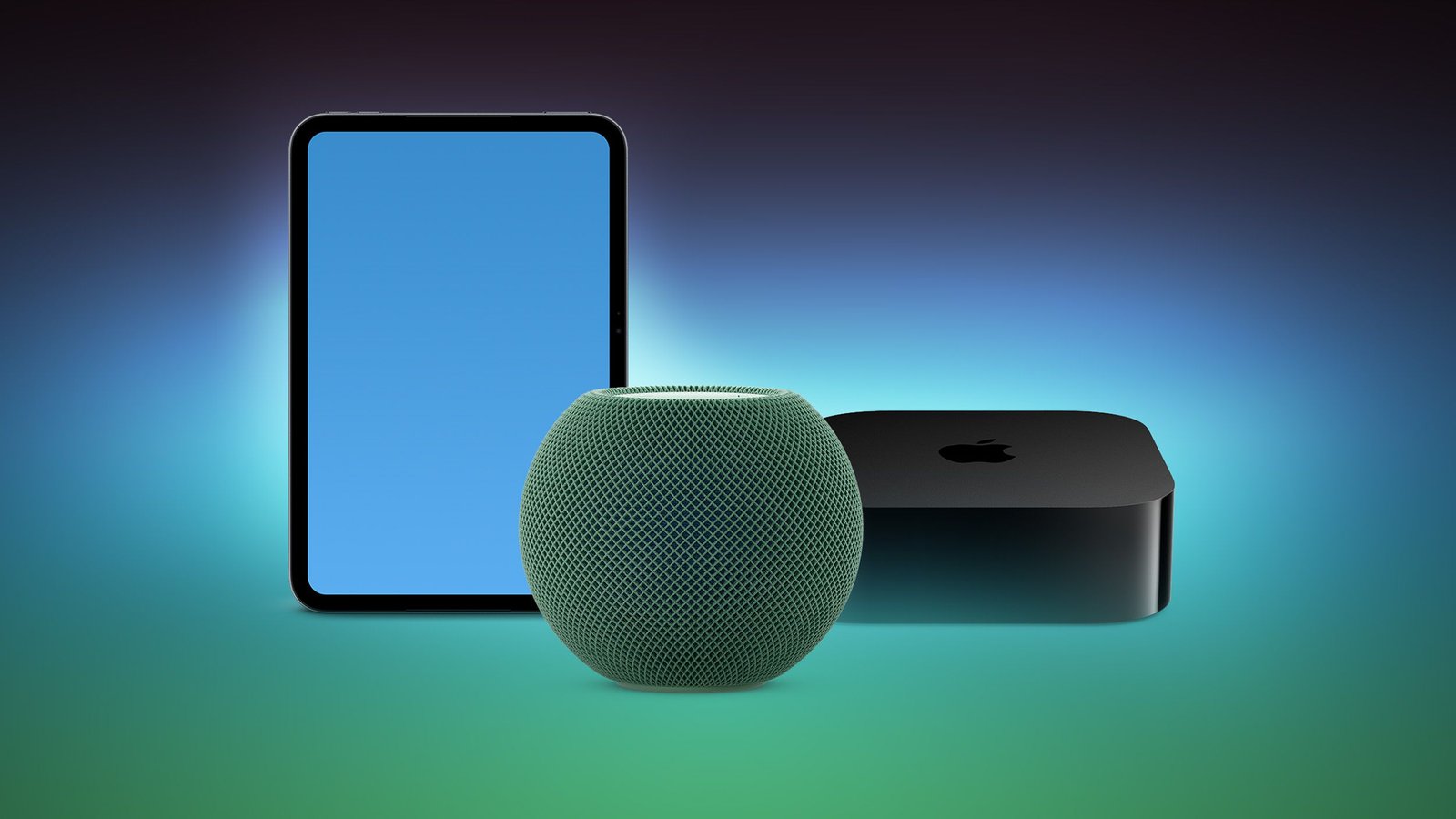
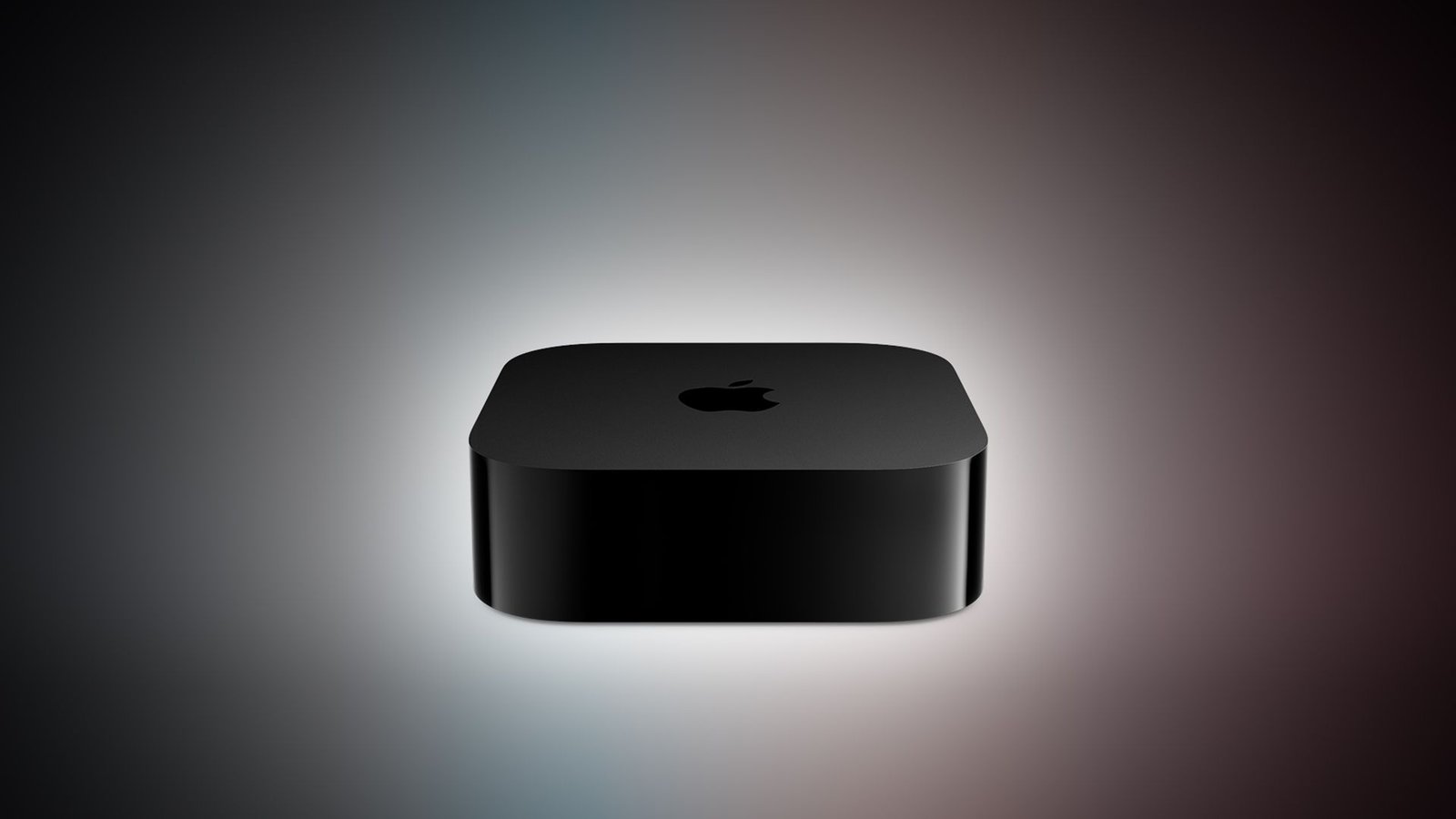
The landscape of home entertainment hardware is set for a significant transition as leaks confirm the imminent arrival of the Apple TV 4K (4th generation). While the external chassis remains consistent with the established design language of the 2022 model, the internal specifications indicate a massive leap in computational capacity. The most notable shift involves the integration of the A17 Pro chip, or potentially a successor, marking a move away from the aging A15 Bionic architecture.
This transition to a modern silicon platform offers more than simple speed improvements. The inclusion of the A17-series chip brings hardware-accelerated ray tracing to the living room, a feature previously reserved for high-end mobile devices and consoles. By allowing for more realistic light behavior and physical reflections in real-time, this architectural update signals a commitment to positioning the Apple TV as a capable gaming machine rather than a mere streaming intermediary. Coupled with an upgrade to 8GB of RAM, the device provides the necessary overhead to manage complex interactive applications and intensive multitasking without the memory constraints that currently define the previous generation.
Connectivity Standards and the N1 Chip
A critical, if understated, development is the integration of the Apple-designed N1 chip. This silicon is expected to serve as the backbone for next-generation wireless communication, specifically introducing support for Wi-Fi 7 and Bluetooth 6. This is a technical jump that directly impacts how the device interacts with modern home networks.
Wi-Fi 7 introduces the ability to utilize the 2.4GHz, 5GHz, and 6GHz bands simultaneously through a process known as Multi-Link Operation. While local network congestion often impacts the performance of streaming devices, the move to Wi-Fi 7 provides a substantial increase in bandwidth and a reduction in latency. Although peak theoretical speeds often exceed the capabilities of common residential internet service providers, the primary benefit here is stability. The ability to pull high-bitrate 4K HDR streams while maintaining a responsive interface in a crowded wireless environment is the hallmark of the transition to this newer protocol. Furthermore, the inclusion of Bluetooth 6 will improve signal efficiency and potentially enhance device pairing reliability for accessories like controllers, headphones, and smart home sensors.
The Integration of Artificial Intelligence
The headline feature of the upcoming hardware is undoubtedly the infusion of advanced artificial intelligence, manifested through what is referred to as Siri AI. With the current tvOS ecosystem evolving into version 27, the interface is expected to host a dedicated Siri application designed to leverage the increased memory capacity.
Unlike previous iterations of Apple’s voice assistant, which relied on relatively static search parameters, the upgraded Siri AI aims to deliver contextual, personalized responses. By utilizing the 8GB of RAM, the system can perform more complex local processing, reducing the reliance on cloud-based queries for every interaction. This makes the device a central hub for intelligent information retrieval, allowing users to ask nuanced questions about content or request specific system configurations that would have previously required deep menu navigation. This move aligns with broader industry trends where hardware manufacturers are shifting toward on-device AI as a primary selling point for consumer electronics.
Impact on the Smart Home Ecosystem
The Apple TV has long served as a central bridge for smart home automation, and the 4th generation model is poised to solidify this role. With the increased processing power provided by the A17 series and the N1 wireless chip, the device will be better equipped to manage complex Matter-enabled smart home networks. Improved bandwidth and lower latency mean that automated triggers—such as lights, thermostats, or security cameras—will respond with greater immediacy.
By offloading more intensive processing to the device itself, the Apple TV becomes a more reliable host for smart home protocols, reducing the chance of latency spikes that often plague interconnected smart homes. For users who rely on Apple TV to orchestrate their home, this upgrade is not merely about better video quality; it is about maintaining a responsive and stable digital environment where local data processing can occur with greater efficiency and privacy.
Market Positioning and Future Outlook
The arrival of this new model comes at a time of increased pricing for Apple’s product lineup. Following a broad price adjustment in June, where the entry-level cost for the 64GB Apple TV 4K moved to $199, the market is watching closely to see how the company justifies the hardware’s value proposition. The combination of gaming-grade silicon, advanced wireless connectivity, and the integration of artificial intelligence indicates that Apple is repositioning the device as a multi-purpose computing station.
As the industry approaches a potential announcement in October, the shift toward a more powerful, AI-centric platform is evident. The current Apple TV, at four years of age, has reached a performance plateau, particularly regarding software-heavy features like generative intelligence. The 4th generation model addresses these technical bottlenecks, providing a framework that is prepared for the next decade of interactive media. While the exterior remains unchanged, the internal overhaul ensures that the Apple TV remains relevant as both a high-fidelity media player and an active participant in the evolving landscape of smart home automation and edge computing.
Disclaimer: This content is auto-generated for informational purposes only.
Source: Read Original News