








The Evolution of Ubisoft’s Portfolio: From Iconic Platforms to Historical Simulations
The landscape of modern gaming is defined by a dichotomy between high-fidelity, open-world historical simulations and the inventive, whimsical mechanics of platformer-strategy hybrids. Ubisoft, a titan in the development space, has recently underscored this diversity by highlighting a slate of titles that range from the dense, tactical environments of feudal Japan to the chaotic, colorful tactical battles of the Mushroom Kingdom. By balancing the grounded, brutal combat of the Assassin’s Creed series with the experimental gameplay found in the Mario and Rabbids franchise, the developer is effectively navigating two distinct corners of the gaming market simultaneously.
This strategic breadth ensures that the company captures both the mature audience seeking immersive narrative depth and a younger or more casual demographic drawn to tactical puzzle-solving. The upcoming release of Assassin’s Creed Shadows serves as the latest iteration of the company’s flagship formula, while the continued success of titles like Mario + Rabbids Sparks of Hope demonstrates the durability of crossover intellectual properties.
Assassin’s Creed Shadows: A Technical Leap into Feudal Japan
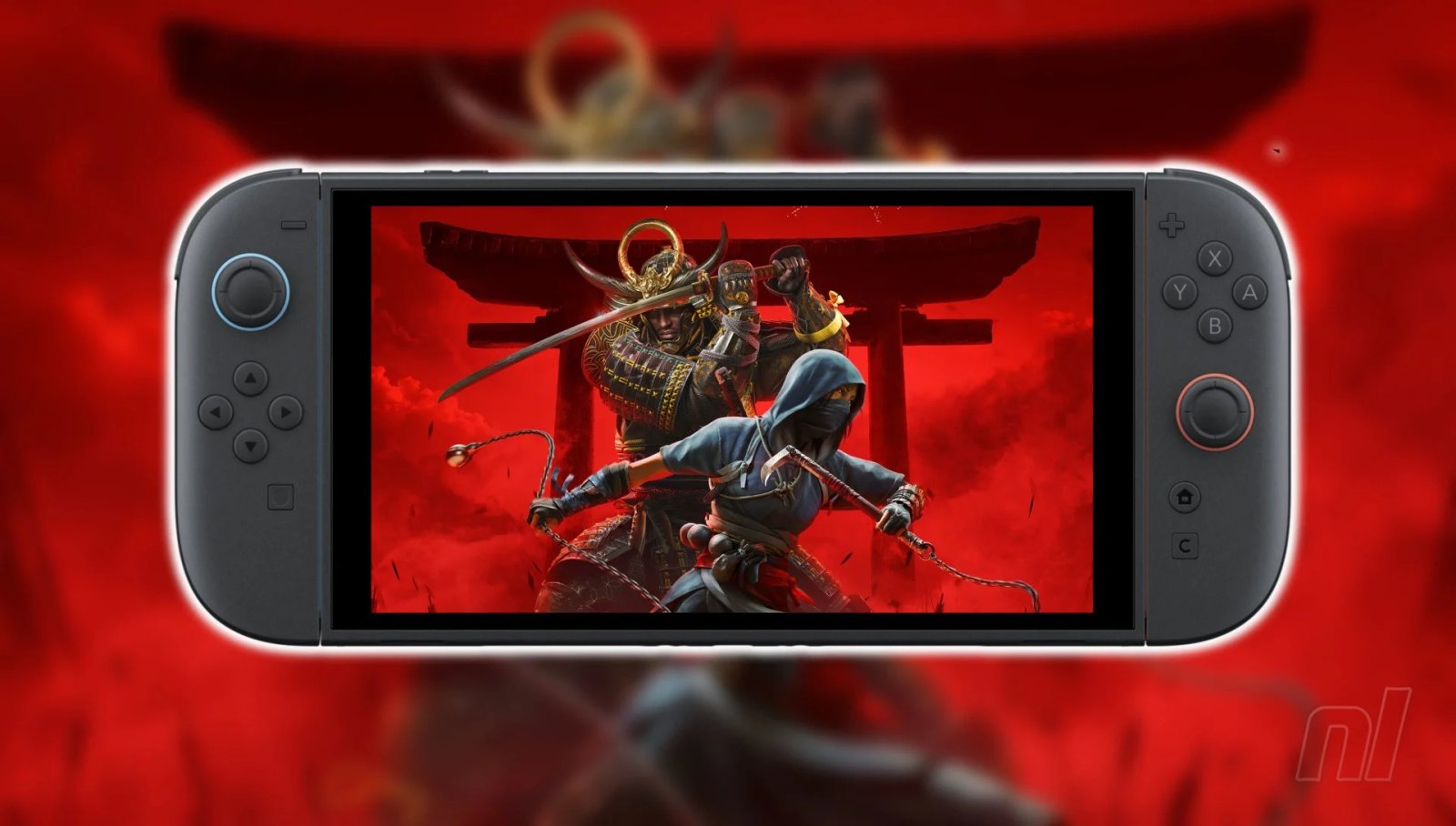
Assassin’s Creed Shadows represents the most ambitious entry in the long-running stealth-action franchise to date. Set against the backdrop of 16th-century Japan during the Azuchi-Momoyama period, the game utilizes the latest iteration of the Anvil engine to render a complex, dynamic environment. The development team has focused heavily on volumetric lighting, advanced weather systems, and sophisticated environmental destruction to mirror the seasonal changes of the era.
The gameplay mechanics introduce a dual-protagonist system that shifts the core design from a singular approach to varied strategic gameplay. Players switch between a highly trained shinobi, focusing on stealth, agility, and vertical navigation, and a samurai, whose gameplay centers on precise parrying, armored defense, and raw physical power. This distinction is not merely cosmetic; it changes how the artificial intelligence interacts with the player. The lighting engine interacts directly with the stealth mechanics, as players must navigate shadows and utilize darkness to evade detection, adding a layer of technical depth to the traditional “social stealth” mechanics associated with the franchise.
The Tactical Sophistication of Mario and Rabbids
While Assassin’s Creed focuses on historical immersion, the Mario and Rabbids series occupies a space of pure mechanical innovation. Combining the charm of Nintendo’s flagship characters with the chaotic nature of the Rabbids, these games function as deep tactical turn-based strategy experiences. The technical achievement here lies in how the developers successfully married the fluidity of platforming movement with the rigid grid-based requirements of tactical combat.
The latest installments have refined the “dash” and “team jump” mechanics, allowing players to traverse vast environments during their turn to chain together complicated combo attacks. By removing the traditional grid constraints in favor of a circular range of movement, the title encourages players to think about positioning and synergy. This evolution highlights a transition from simple turn-based combat to a dynamic, real-time-feeling tactical simulation that challenges the player’s spatial reasoning and resource management skills.
Rayman and the Legacy of Platforming Architecture
The enduring presence of Rayman serves as a reminder of the importance of precise control schemes and art-directed physics. Rayman Legends remains a benchmark for platformer design, particularly regarding its integration of music and rhythm-based movement. From a technical standpoint, the game’s “UbiArt Framework” allowed the developers to import high-resolution, hand-drawn assets directly into the game engine while maintaining frame-rate stability.
This engine’s ability to map skeletal animation onto 2D assets created a level of fluidity that was previously impossible in side-scrolling titles. The impact of this design philosophy is still felt in how modern 2D games handle transitions and character responsiveness. Even as the industry shifts toward 3D high-fidelity graphics, the mechanical lessons learned from the Rayman series continue to influence how Ubisoft approaches character movement and level traversal across all its titles, regardless of their visual perspective.
Cross-Platform Integration and Future Development
The integration of these diverse titles within the Ubisoft ecosystem creates a unique data loop for the developer. By observing how players interact with the complex systems in Assassin’s Creed Shadows versus the streamlined, rule-based systems in tactical crossovers, engineers can refine UI/UX design across the board. The goal is to maximize accessibility without sacrificing the complexity that dedicated players expect.
Looking forward, the use of procedural generation, combined with bespoke hand-crafted assets, appears to be the standard for future Ubisoft projects. As hardware capabilities improve—specifically regarding ray tracing and faster asset streaming—the focus shifts toward creating worlds that feel alive not just through graphics, but through the interconnectedness of their systems. Whether it is the realistic weather patterns of feudal Japan or the zany physics of a Rabbid-infested level, the commitment to refining the player experience remains the primary driver of development.
The Impact of Diversification on the Gaming Industry
The simultaneous support for both historical action epics and tactical strategy games provides a buffer against the volatility of the gaming market. Assassin’s Creed Shadows captures the high-end hardware demographic, pushing the boundaries of what consoles and PCs can render. Simultaneously, the Mario and Rabbids franchise maintains a presence in the handheld and family-oriented sectors, ensuring that the brand remains culturally relevant across multiple age groups.
This dual strategy is crucial for long-term sustainability. By investing in franchises that occupy such vastly different genres, the company avoids the trap of homogenization. The technical rigor applied to the historical accuracy of the Assassin’s Creed universe informs the polish of the platformers, while the creative freedom found in the Mario and Rabbids collaborations encourages the development teams to experiment with gameplay systems that eventually trickle back into the main action-adventure titles. This iterative process is the backbone of modern large-scale software development, ensuring that innovation remains a constant, even within established, legendary franchises.
Disclaimer: This content is auto-generated for informational purposes only.
Source: Read Original News