








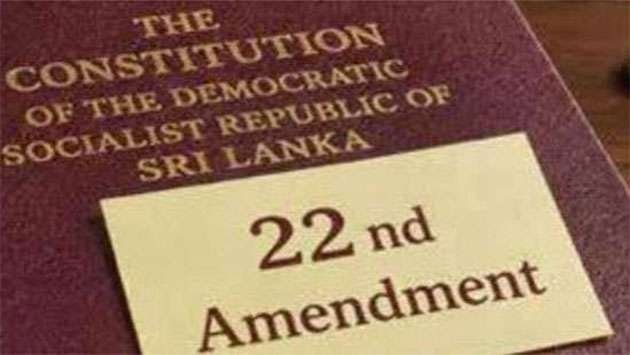
COLOMBO — In a landmark legislative session, the Sri Lankan Parliament officially approved the third reading of the 22nd Amendment to the Constitution today, marking a pivotal shift in the nation’s governance structure. The amendment, which seeks to restore critical checks and balances on executive power, passed with a significant majority as lawmakers from across the political spectrum reached a rare consensus on the bill.
The passage of the 22A represents a major milestone for the current administration, which had positioned the constitutional reform as a primary response to the public’s longstanding demand for systemic political change. The amendment aims to re-empower independent commissions, strengthen parliamentary oversight, and introduce stricter limitations on the executive powers of the President—a direct move toward addressing concerns regarding the concentration of authority within the executive branch.
During the debate preceding the vote, government representatives emphasized that the amendment is essential for ensuring democratic stability and restoring public trust in the state. By reinstating key features that were previously eroded, proponents argue that the bill provides the necessary framework to stabilize the country’s volatile political climate.
However, the path to approval was not without controversy. While the bill secured the necessary support to move forward, several opposition factions raised concerns regarding the extent of the reforms. Critics argued that the final version of the amendment lacked the depth required for genuine structural transformation, suggesting that some provisions fell short of the original public expectations for comprehensive reform. Despite these reservations, the overwhelming nature of the vote reflects a widespread recognition that constitutional continuity is currently prioritized over further legislative deadlock.
With the third reading successfully cleared, the amendment will now be formally processed before being enacted into law. The legal experts observing the session noted that this change will require immediate adjustments to how independent institutions operate, particularly regarding appointments to the judiciary and the police service.
Political analysts suggest that the success of 22A serves as a barometer for the government’s ability to manage legislative processes during a period of economic recovery. “Passing this amendment is an important signal to both the domestic public and the international community that the legislative branch is capable of self-correction,” said a political commentator following the session.
As the country moves forward, all eyes will be on the implementation phase. Citizens and civil society groups remain vigilant, waiting to see if these constitutional changes will result in a tangible shift toward greater transparency and accountability in the day-to-day administration of the state. For now, the Parliament has achieved a significant legislative victory, effectively turning the page on a contentious chapter of constitutional debate.
Disclaimer: This content is auto-generated for informational purposes only.
Source: Read Original News