








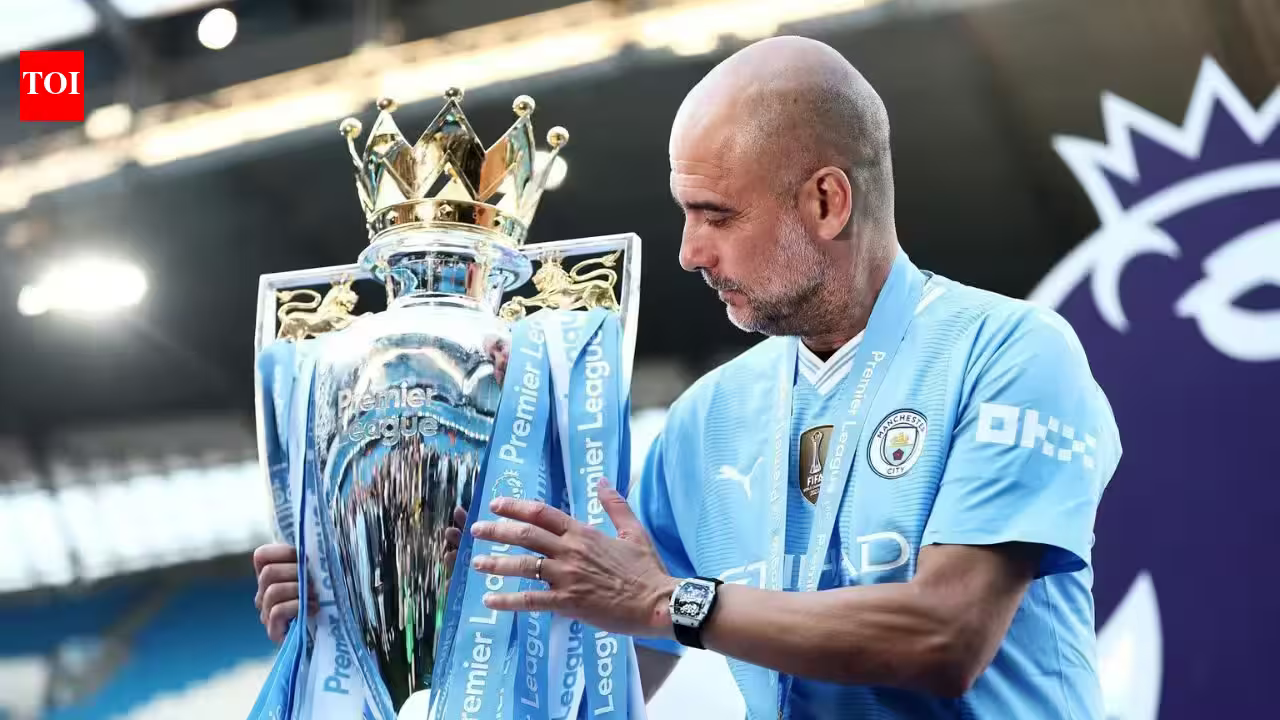
SHOCKWAVES have ripped through the foundations of English football this week as reports indicate that Manchester City have been found guilty on 114 of the 115 financial charges brought against them by the Premier League. The verdict, stemming from a protracted and high-stakes investigation, marks a definitive turning point in what has been described as the most significant legal battle in the history of the sport.
As the current Premier League leaders enjoy their blistering start to the 2026 season, the atmosphere at the Etihad Stadium is suddenly darkened by the looming specter of unprecedented sanctions. While the final disciplinary measures have yet to be determined, the legal net has tightened around the reigning juggernaut of English football.
A Decade of Scrutiny
The charges, which were officially levied in February 2023, relate to a wide-ranging investigation into the club’s financial dealings between 2009 and 2018. The saga first ignited in November 2018 when the German publication Der Spiegel released a trove of leaked financial documents. Those files suggested that the club had engaged in a sophisticated scheme to bypass financial fair play regulations.
The core of the allegations centers on the transparency—or lack thereof—of the club’s financial disclosures. City was accused of providing inaccurate financial information, failing to report precise details regarding payments to players and coaching staff, and violating the league’s strict financial sustainability rules. Perhaps most damning are the claims that sponsorship revenue from Abu Dhabi-based entities, such as Etihad and Etisalat, were artificially inflated. Investigators allege these figures were used to disguise direct capital injections from Sheikh Mansour’s Abu Dhabi United Group as legitimate commercial income. Further allegations include secret, “off-the-books” payments directed toward former manager Roberto Mancini through consultancy fees routed through an Abu Dhabi-based club.
The Club’s Stance
Throughout the arduous two-year independent hearing process, Manchester City has maintained a posture of defiant innocence. Following the recent reports, the club issued a statement that echoed their initial reaction from 2023, noting that they remain committed to a process they believe will eventually vindicate them.
“The Premier League process remains ongoing, with significant elements to be completed, and subject to strict confidentiality,” a club spokesperson stated. “The club has diligently respected due process for eight years on the basis the Premier League board and executive would behave as an independent, impartial and fair-minded regulator, free from partisan influence.”
City’s leadership continues to lean on the narrative that the club is being subjected to an unfair regulatory environment, maintaining that they possess a “comprehensive body of irrefutable evidence” to counter the findings of the independent commission.
The Road to Sanctions
With a guilty verdict delivered on 114 counts, the conversation in footballing circles has shifted rapidly to the severity of the impending punishment. The Premier League’s independent commission now faces the unenviable task of setting a precedent that will define the integrity of the league for decades to come.
While financial penalties are almost a certainty, they are widely viewed as inadequate given the magnitude of the charges. More severe options on the table include massive points deductions—dwarfing the penalties handed down to Everton and Nottingham Forest last season—or, in the most extreme scenario, expulsion from the Premier League. Expulsion would be a nuclear option, effectively forcing the club to rebuild from the lower tiers of the English Football League system.
An Uncertain Legacy
The ripple effects of this verdict extend far beyond the current league table. Under the ownership of Sheikh Mansour, Manchester City has ascended to the pinnacle of world football, claiming eight Premier League titles, four FA Cups, seven League Cups, and a UEFA Champions League trophy.
If the guilty verdict stands through potential appeals, the question of legacy will become a permanent shadow over the club’s achievements. Rival clubs, who have finished as runners-up to City during the period in question, may look to the precedent set by these findings to pursue compensation or demand that titles be stripped and reallocated. The potential for a wave of civil litigation from competitors—who argue that City’s dominance was built on a foundation of illicit financial gain—could keep the club’s legal department occupied for years to come.
As the football world waits for the final word from the independent commission, one thing is certain: the era of unchecked growth that turned Manchester City into a global powerhouse is now facing its greatest test. Whether this results in a restructuring of the club’s operations or a complete rewriting of the Premier League’s record books, the sport of football will never look at the Etihad Stadium the same way again.
Disclaimer: This content is auto-generated for informational purposes only.
Source: Read Original News