







AICHI-NAGOYA — The intensity at the 2026 Asian Games has reached a fever pitch as the competition enters its second week, with India experiencing a productive, if bittersweet, Friday on the global stage. While the Indian contingent celebrated a significant six-medal haul, the harsh reality of the medal table standings remains: volume does not always equate to velocity in climbing the ranks.
As of the conclusion of Day 6, India sits at 12th place in the overall medal tally. With a total collection of 23 medals—comprised of two gold, nine silver, and 12 bronze—the nation continues to demonstrate consistency and depth across diverse disciplines. However, in the high-stakes environment of the Asian Games, where rankings are strictly dictated by the gold medal count, the lack of top-podium finishes has left India stagnating outside the top ten despite a commendable accumulation of hardware.
Six medals but India remain 12th
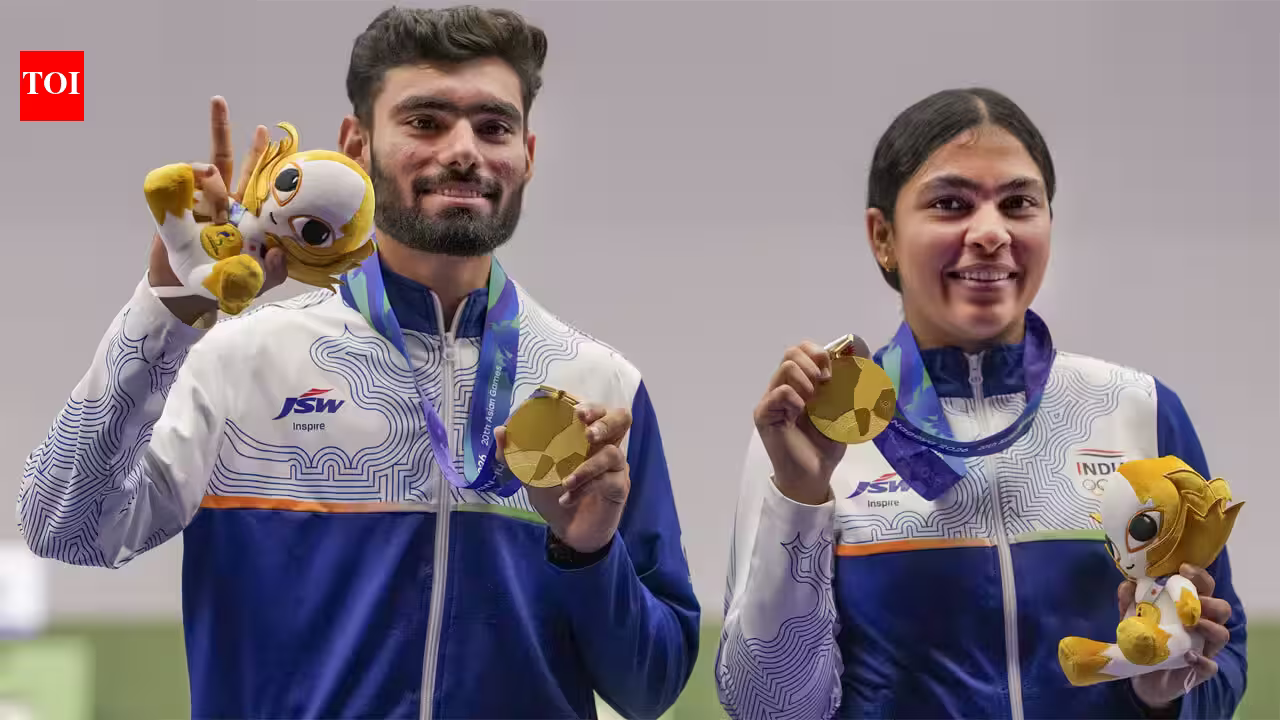
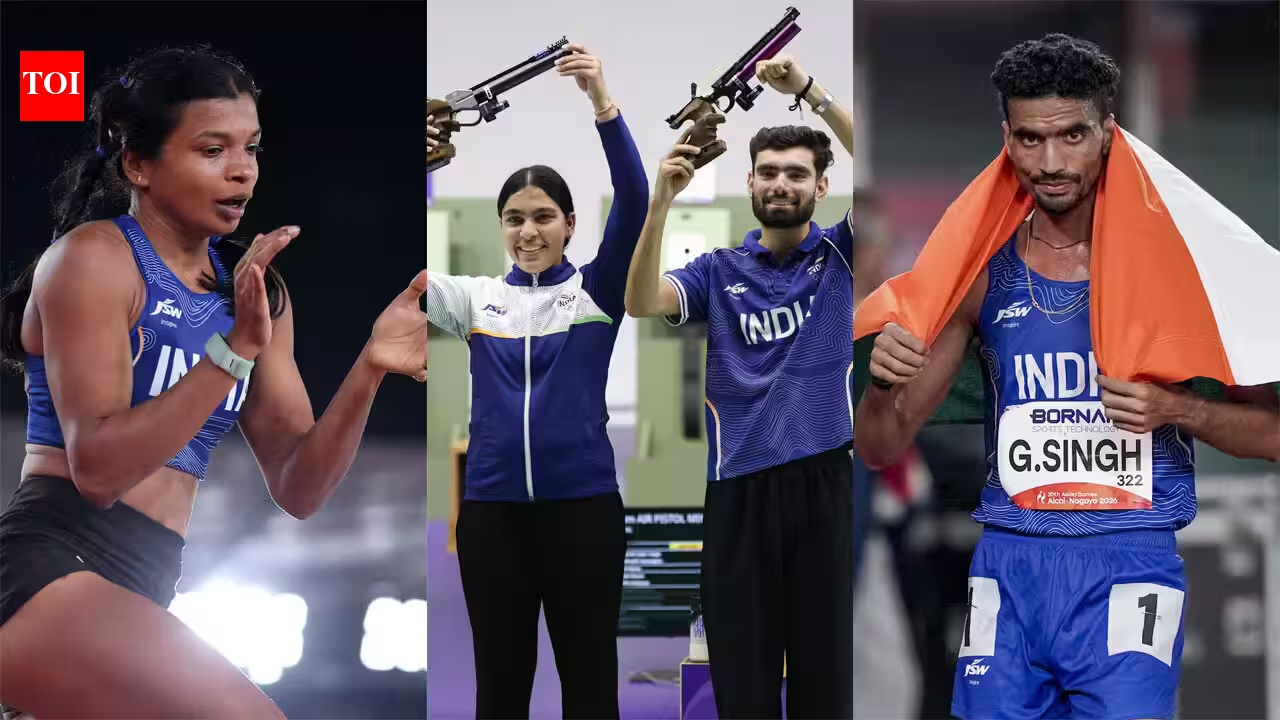
Friday’s action showcased the grit of Indian athletes across both track and field and shooting ranges. The crowning jewel of the day came from the 10m air pistol mixed team event, where the pairing of Suruchi Singh and Kamaljeet exhibited nerves of steel to secure the gold. Their composure under pressure provided a vital lift to the Indian campaign.
On the track, distance runner Gulveer Singh delivered a powerhouse performance in the men’s 10,000m, clinching a hard-fought silver. The shooting squad bolstered their standing with another silver in the men’s 50m rifle 3-position team event, further highlighting the sport as a perennial stronghold for Indian prospects.
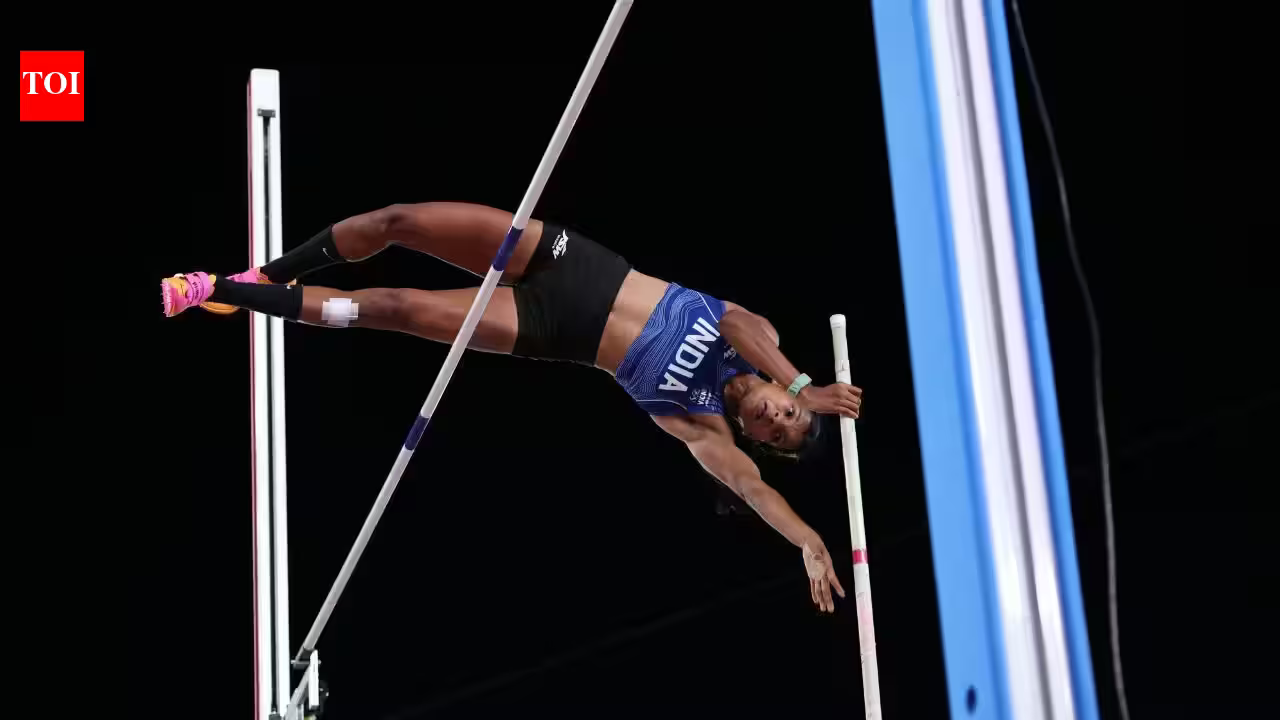
The evening was punctuated by three bronze-medal efforts that underscored the breadth of India’s competitive reach. Manpreet Kaur added to the tally in the women’s shot put, while the table tennis duo of Manush Shah and Diya Chitale displayed excellent chemistry to secure their place on the podium. Perhaps the most significant moment of the day came from the athletics arena, where Baranica Elangovan soared into the history books. By capturing bronze in the women’s pole vault, Elangovan became the first-ever Indian to claim an Asian Games medal in the event, marking a historic breakthrough for the nation’s track and field program.
Despite these individual triumphs, the arithmetic of the medal table favors those who have mastered the art of the gold-medal finish. With Kazakhstan and other regional powers consistently converting podium appearances into gold, India finds itself in a challenging position as it attempts to break back into the top echelon.
China closing in on 100 gold medals
While the mid-table battle remains fierce, the narrative at the summit is one of absolute dominance. China has effectively turned the Aichi-Nagoya Games into a demonstration of athletic supremacy, rapidly closing in on a staggering 100-gold-medal milestone. By the end of Day 6, China stood at 98 golds, with a total haul of 159 medals, dwarfing the performance of all other participating nations.
The engine of this juggernaut has been the aquatic center, where Chinese swimmers have delivered an awe-inspiring performance, securing 30 gold medals out of 41 events. At the heart of this success is the 19-year-old sensation Zhang Zhanshuo. In a display of endurance and skill that will likely define these Games, Zhang claimed his seventh gold medal on Friday with a commanding performance in the 400m freestyle, clocking 3:41.28.
Zhang’s achievement is nothing short of legendary. By winning seven golds at a single Asian Games, he has surpassed the previous benchmarks set by greats like Zhang Yufei and Rikako Ikee. Only the historic 1982 performance by North Korean shooter So Gil San—who secured seven golds and a silver—stands as a higher individual watermark in the history of the Games.
The Road Ahead
As the dust settles on Day 6, the gap between the leaders and the chasing pack has widened. Japan holds a distant second place with 28 gold medals, followed by South Korea with 13. For India, the remainder of the tournament will be a test of resilience. While the two-gold tally is a baseline for development, the sheer consistency of the silver and bronze winners suggests that with minor adjustments in high-pressure finals, the potential for a late-stage surge remains.
The challenge for the Indian delegation now is clear: they must translate their proximity to the top of the podium into gold. With several events still to play out in the coming days, the spirit displayed by athletes like Baranica Elangovan and the shooting team suggests that the 23-medal total is far from the final chapter of India’s journey in Aichi-Nagoya. As the world watches China sprint toward the century mark, the rest of the field, including India, continues the arduous task of narrowing the gap.
Disclaimer: This content is auto-generated for informational purposes only.
Source: Read Original News