







As the Austin metropolitan area continues its rapid expansion, local businesses and infrastructure projects are keeping pace with the region’s growing demands. From the repurposing of commercial real estate to the debut of new dining experiences and major public park upgrades, here is a look at the latest developments shaping the North Austin suburbs.
## Adaptive Reuse Drives Commercial Development
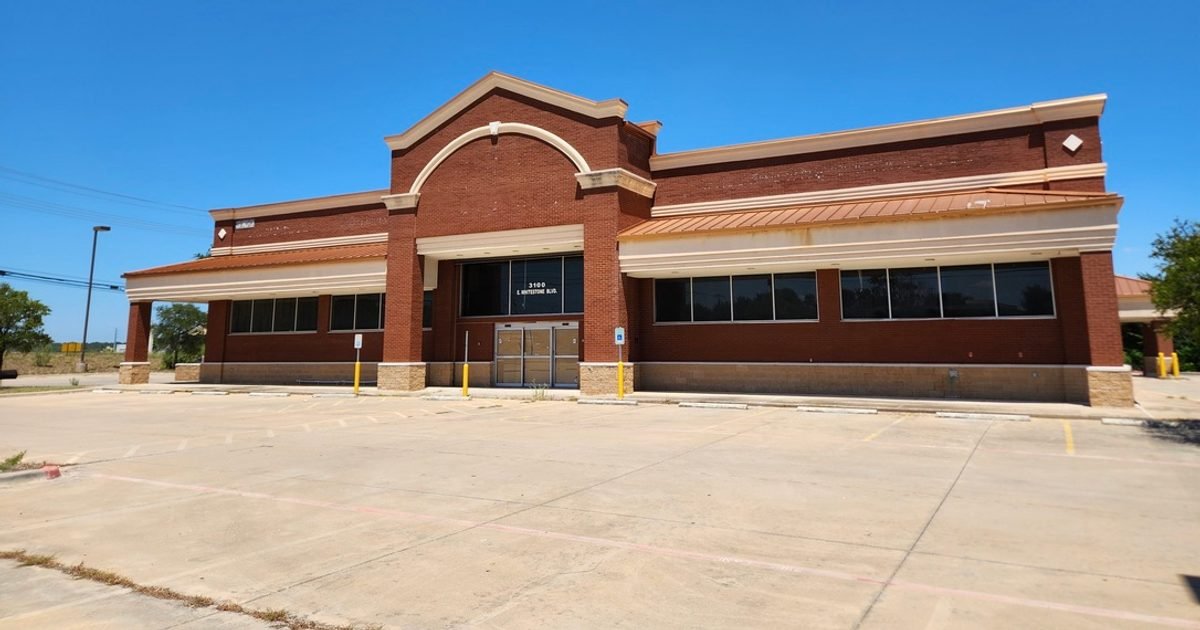
One of the most notable trends in local real estate is the transformation of aging commercial properties into modern community hubs. In Cedar Park, a vacant 12,000-square-foot building located at the high-traffic intersection of Parmer Lane and Whitestone Boulevard is getting a new lease on life. The site, formerly home to a local pharmacy, is undergoing an extensive renovation to become the RIA Event Center.
This project highlights a broader regional shift toward adaptive reuse, where developers are prioritizing the restoration of existing structures over new construction. By revitalizing an empty storefront, the RIA Event Center aims to provide a localized solution for gathering spaces, reducing the environmental impact of new build projects while breathing new life into a prominent intersection.
## Tech-Driven Growth and the Local Dining Scene
The Austin area’s robust economic environment, often fueled by its proximity to the tech industry and major software hubs, continues to drive demand for diverse dining options. Entrepreneurs are increasingly leveraging data-driven consumer feedback to scale their operations.
Near the border of Round Rock and Hutto, a prime example of this evolution is Nana B’s Country Kitchen. Founders Victor Friar and Keysha Nichols-Friar originally gained traction with their smoke shop, “Ash, Smoke & Glass.” After listening to customer requests—a digital-age strategy of monitoring real-time sentiment through social media and in-store engagement—the couple officially pivoted to the restaurant industry. By launching their kitchen right next to their existing retail shop, they have effectively utilized cross-promotion to build a sustainable local business model.
Meanwhile, national chains are also eyeing the area for expansion. Georgetown residents can look forward to a new addition to the culinary scene, as the city is set to welcome its first Texas Roadhouse location this November. Managing Partner Alexis Love confirmed that the mid-November opening is currently on track, reflecting the continued influx of retail investments into the Georgetown corridor.
## Investing in Community Infrastructure
The recent surge in Austin-area population growth has put a premium on public infrastructure. In Hutto, the city celebrated a major milestone on September 20 with the grand opening of the revamped Fritz Park. The project, which totaled approximately $11 million, is a direct result of a 2018 voter-approved parks bond.
This renovation underscores the importance of municipal planning in the face of rapid suburban densification. As more residents move to the area, cities like Hutto are increasingly relying on long-term capital improvement plans to maintain quality of life. The updated park serves as a reminder that as technology and commercial landscapes evolve, so too must the recreational spaces that foster community connection.
## The Digital Integration of Local News
As these stories unfold, residents are increasingly turning to digital platforms to stay informed about their neighborhoods. The rise of hyperlocal news sites—many of which now utilize Google’s search features and news aggregation tools to deliver updates—ensures that information about city bonds, grand openings, and business permits is more accessible than ever. Whether it is tracking a renovation project via search or locating a new restaurant on a digital map, the digital ecosystem continues to bridge the gap between local decision-makers and the public they serve.
As the Austin area heads into the final quarter of the year, these developments demonstrate a community that is carefully balancing modernization with the preservation of local character. Whether through a new park, a renovated venue, or a family-run restaurant, the region’s growth trajectory remains both steady and diverse.
Disclaimer: This content is auto-generated for informational purposes only.
Source: Read Original News