








Nepal PM Balen Shah Calls for Global Reform in Maiden UNGA Address
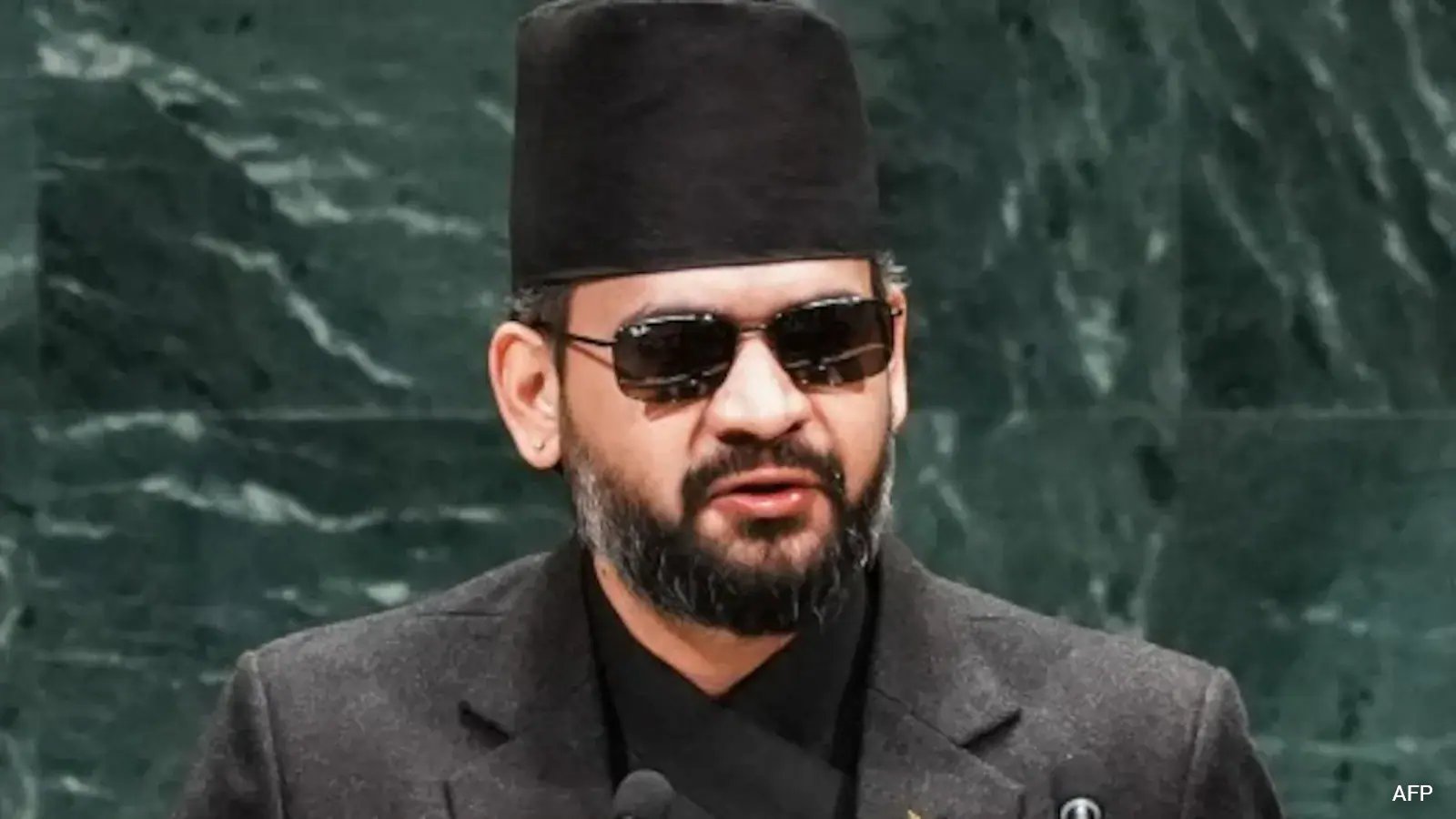
In a compelling debut at the 81st United Nations General Assembly (UNGA) in New York, Nepal’s Prime Minister Balendra Shah delivered a scathing critique of the current global order. The 36-year-old leader, the youngest head of government at this year’s assembly, challenged world powers to reconcile a system that prioritizes the efficient movement of weaponry over the basic survival needs of the world’s most vulnerable populations.
A Broken Logistics of Survival
Prime Minister Shah’s address drew a stark contrast between military mobilization and humanitarian aid. “Inter-continental missiles arrive on time. Rifles and ammunition cross borders, clear every bottleneck, meet each deadline,” Shah noted. In sharp contrast, he highlighted the daily struggles of rural populations, pointing out that a farmer in Nepal is often unable to procure fuel or fertilizer at market prices when they are needed most.
“We have built a world with flawless logistics for war and broken logistics for food,” the Prime Minister remarked, calling for a fundamental reassessment of how global resources are allocated and distributed.
South Asian Solidarity and Climate Justice
Moving beyond domestic concerns, Shah used his platform to advocate for South Asian nations, which he argued are suffering the consequences of climate change and conflicts they did not instigate. He emphasized that the vulnerability faced by Nepal is shared by its neighbors, including India, Bhutan, Bangladesh, the Maldives, Pakistan, and Sri Lanka.
“Hit by the climate we did not warm, and hit again by the wars we did not start,” Shah stated, asserting that the global system of cooperation is fundamentally flawed. His call for climate justice follows the devastating Bhotekoshi floods in Nepal on August 26, 2026, a disaster that claimed over 1,400 lives and left significant infrastructure damage. A recent Rapid Disaster Needs Assessment (RDNA) report estimates the total loss at $2.69 billion, with recovery efforts projected to cost nearly 10 percent of the nation’s GDP.
Proposing a Himalayan Climate Resilience Mechanism
Addressing the ecological fragility of the Hindu Kush Himalaya—a region that provides essential water and life-support systems to nearly two billion people—Shah proposed the establishment of a “Himalayan Climate Resilience Mechanism.”
He advocated for a collaborative framework led by Nepal, India, and China to share critical satellite data and scientific expertise. Emphasizing that environmental catastrophes do not respect political borders, Shah noted, “Glaciers and floods do not travel with a visa and passports.”
The Prime Minister concluded his address by extending his gratitude to the international community for their support following the recent floods, with special acknowledgment of the prompt and generous aid provided by India and China. His speech serves as a firm reminder that the mountains, often seen as peripheral, are essential to the planet’s survival and require an urgent, unified global response.
Disclaimer: This content is auto-generated for informational purposes only.
Source: Read Original News