







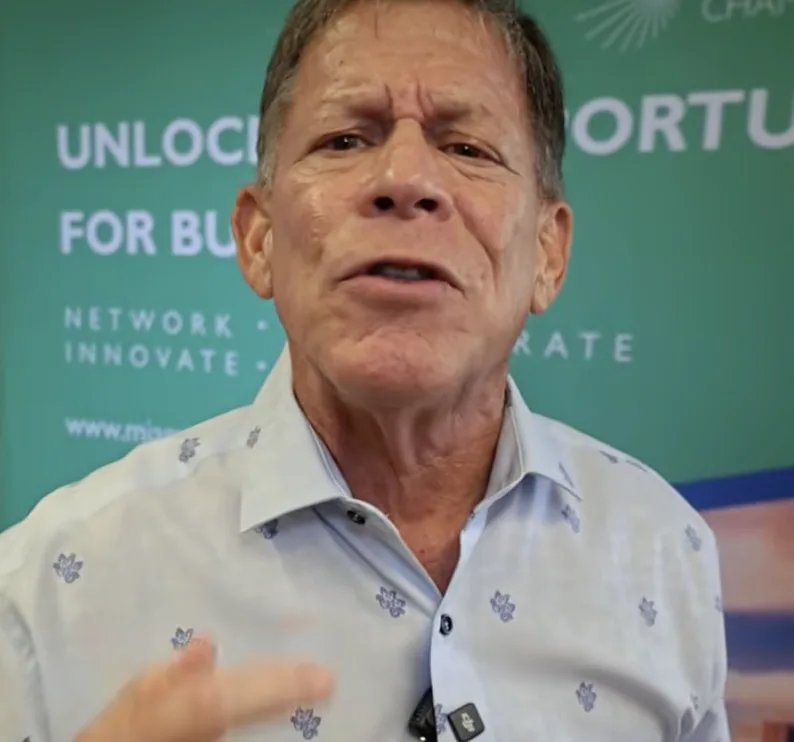
Miami Gateway to the Middle East: Exploring New Frontiers in Ras Al Khaimah
As the global economy becomes increasingly digitized, the intersection of international trade and emerging technology is reshaping how regional business hubs operate. On September 24, the Greater Miami Chamber of Commerce, in partnership with JP Global Advisors, hosted a pivotal event that underscored this shift, spotlighting Ras Al Khaimah (RAK), United Arab Emirates, as a prime destination for South Florida businesses looking to expand their footprint beyond domestic borders.
The event served as a bridge between the vibrant, tech-forward culture of Miami and the rapid industrial evolution of the UAE. By leveraging global networking strategies, the conference aimed to move beyond traditional trade missions, focusing instead on how modern enterprises can utilize international ecosystems to scale operations.
The Digital Transformation of Global Trade
The discussion in Miami highlighted a growing trend: the shift toward “borderless” business operations facilitated by cloud-based infrastructure and sophisticated digital platforms. As South Florida continues to solidify its reputation as a burgeoning tech hub, local entrepreneurs are increasingly turning to tools—many pioneered by industry giants like Google—to manage global supply chains and cross-border client relationships.
Google’s suite of enterprise products, including Google Cloud and Workspace, has become essential for these international ventures. By utilizing AI-driven analytics, businesses exploring the RAK market can now predict logistical bottlenecks, optimize energy consumption in new facilities, and personalize marketing efforts to resonate with the Middle Eastern consumer base. The partnership between Miami and RAK represents a move toward this integrated future, where physical expansion is heavily augmented by a virtual backbone.
Leveraging AI for Market Entry
A significant portion of the conversation revolved around the role of Artificial Intelligence in lowering the barrier to entry for international expansion. For a Miami-based firm looking to set up operations in the UAE, the risks of market mismatch can be high. However, by deploying AI-powered sentiment analysis and automated market research tools, companies are now able to ingest vast amounts of local data to determine feasibility before investing capital.
This data-centric approach mirrors the evolution seen in the tech industry, where companies no longer rely on intuition but on high-fidelity simulations. Ras Al Khaimah, known for its strategic investment in logistics and tourism, is actively looking for partners who understand how to integrate these high-tech solutions into their local infrastructure. The event provided a platform for these firms to share insights on how machine learning models can streamline bureaucratic processes and compliance in foreign jurisdictions.
Strengthening the Miami-RAK Economic Corridor
The collaboration between the Greater Miami Chamber of Commerce and JP Global Advisors underscores a strategic pivot in how American cities foster international growth. Rather than remaining siloed, regional chambers are increasingly acting as tech-enabled nodes in a global network.
Looking ahead, the synergy between South Florida and Ras Al Khaimah offers a blueprint for how mid-sized businesses can go global. With the continued development of high-speed connectivity and the ubiquity of real-time communication technologies, the distance between Miami and the UAE is effectively shrinking. By tapping into the resources shared during this event, local businesses are better positioned to adopt the agile, AI-ready frameworks necessary to survive and thrive in an increasingly competitive global marketplace.
As businesses continue to navigate the complexities of international trade, the integration of smart technology will remain the defining differentiator. Miami’s focus on Ras Al Khaimah is not merely a geographic expansion; it is a testament to the power of connected, technology-driven business strategies in the 21st century.
Disclaimer: This content is auto-generated for informational purposes only.
Source: Read Original News