









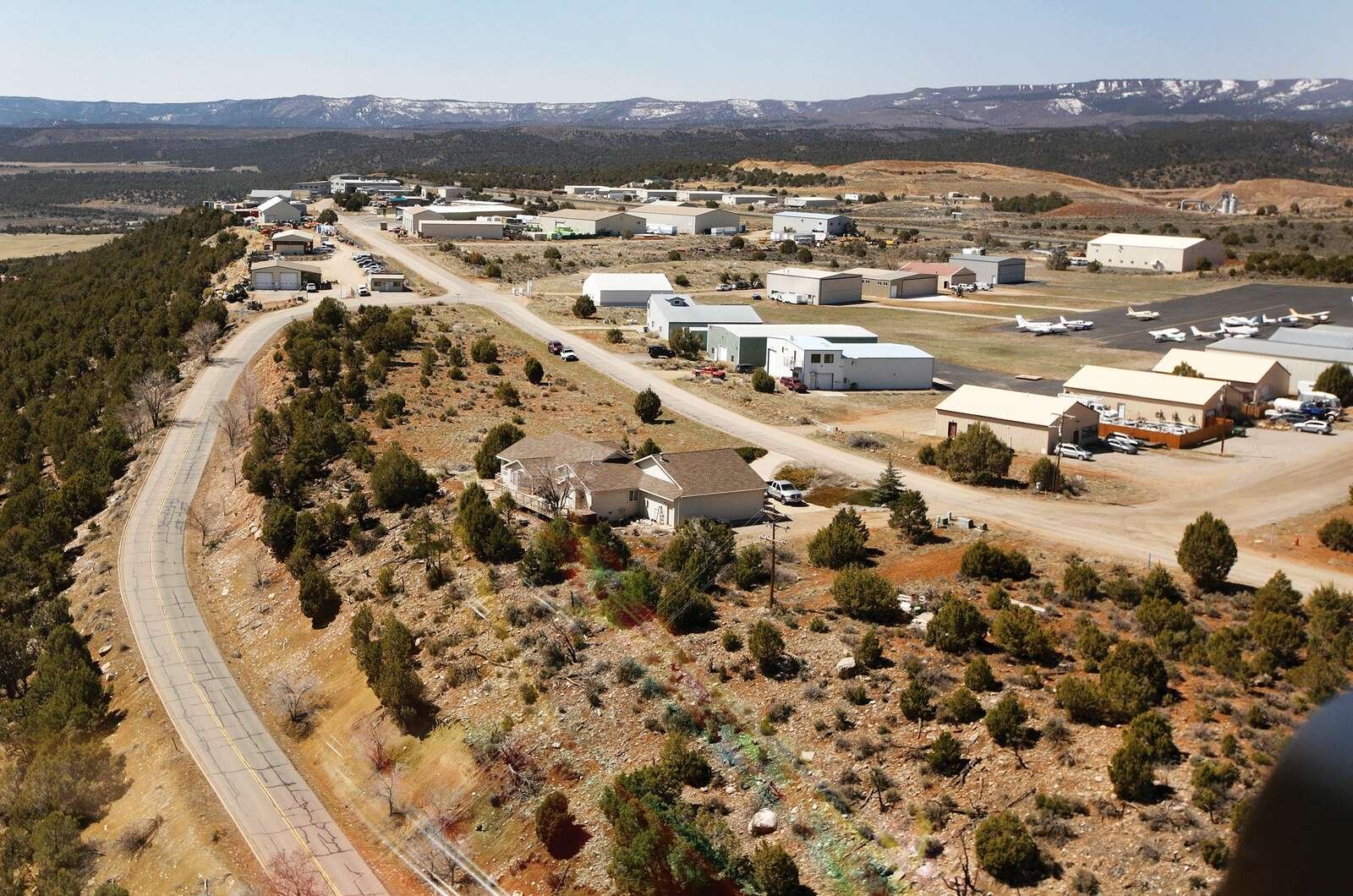
A transformative vision is taking shape south of Durango, Colorado, where a newly unveiled strategic plan aims to revitalize the regional economy through a massive, two-decade development project. The proposal targets a 160-acre site near Animas Air Park and La Posta Road, positioning it as a cornerstone for long-term growth and industrial diversification within La Plata County.
The project, spearheaded by a coalition including the Southern Ute Indian Tribe, La Plata County, the city of Durango, and the La Plata Economic Development Alliance, envisions the construction of nearly 1.2 million square feet of commercial and industrial space. If realized, the timeline for the build-out spans from 2029 to 2049, promising a significant shift in the area’s economic landscape.
Addressing a Decade of Economic Stagnation
For over ten years, La Plata County has faced a challenging economic reality, with gross domestic product (GDP) remaining largely stagnant since 2013. According to Sarah Tober, executive director of the La Plata Economic Development Alliance, local business expansion has been severely restricted by a critical lack of available real estate, underscored by a vacancy rate hovering at just 0.5%.
The proposed business park aims to break this gridlock by providing the necessary infrastructure to attract new industries and allow existing firms to scale. Tober highlighted the success of similar mixed-use models, such as the Colorado Outdoors project in Montrose, which saw a tripling of local GDP following its completion. By providing a dedicated space for operations, the project is expected to boost manufacturing jobs—a sector currently representing only 1% of the county’s employment—by as much as 16%.
Economic Projections and Workforce Impact
The economic benefits of the development are projected to be substantial. The study estimates that the fully realized business park could support approximately 1,930 permanent on-site jobs. Furthermore, these positions are expected to pay significantly higher wages than the current private-sector average in the county, offering salaries between $25 and $50 per hour.
In financial terms, the project is forecast to generate $142.7 million in annual labor income and contribute $248 million to the annual GDP. Over a 30-year horizon, the development is estimated to yield roughly $97 million in additional property tax revenue. This tax base is projected to cover nearly all of the estimated $20 million in initial public infrastructure costs, with the remainder potentially offset by grants, phased development, and strategic partnerships.
Collaborative Governance and Future Development
The initiative is notable for the active partnership of the Southern Ute Indian Tribe, which holds regulatory authority over portions of the land. In a recent statement, tribal officials emphasized their commitment to “responsible development” that honors both the environment and the cultural heritage of the region. As the Tribe holds delegated authority under the Clean Air Act, the Clean Water Act, and the National Historic Preservation Act, the development will be subject to rigorous oversight to ensure it aligns with tribal and federal mandates.
La Plata County Commissioner Elizabeth Philbrick expressed optimism regarding the project’s potential to foster stability and growth. “La Plata County stands at an unprecedented moment,” Philbrick said, noting that the plan requires bold leadership and a willingness to embrace creative financing solutions, such as a potential county renewal authority.
As the community enters the next phase of planning, stakeholders remain focused on navigating the complexities of the 21-year timeline. By aligning cross-jurisdictional efforts and leveraging the economic potential of the La Posta area, local leaders hope to transform the county into a more robust and competitive economic hub, finally moving past a decade of limited growth.
Disclaimer: This content is auto-generated for informational purposes only.
Source: Read Original News