








As modern theaters of conflict grow increasingly complex, the U.S. defense establishment is shifting its focus toward a critical, often-overlooked front: the resilience of the digital logistics backbone. While traditional logistics centers on the physical movement of fuel, munitions, and spare parts, a new, upcoming industry briefing aims to highlight why the future of military readiness depends equally on the software-defined systems that manage these supplies in hostile environments.
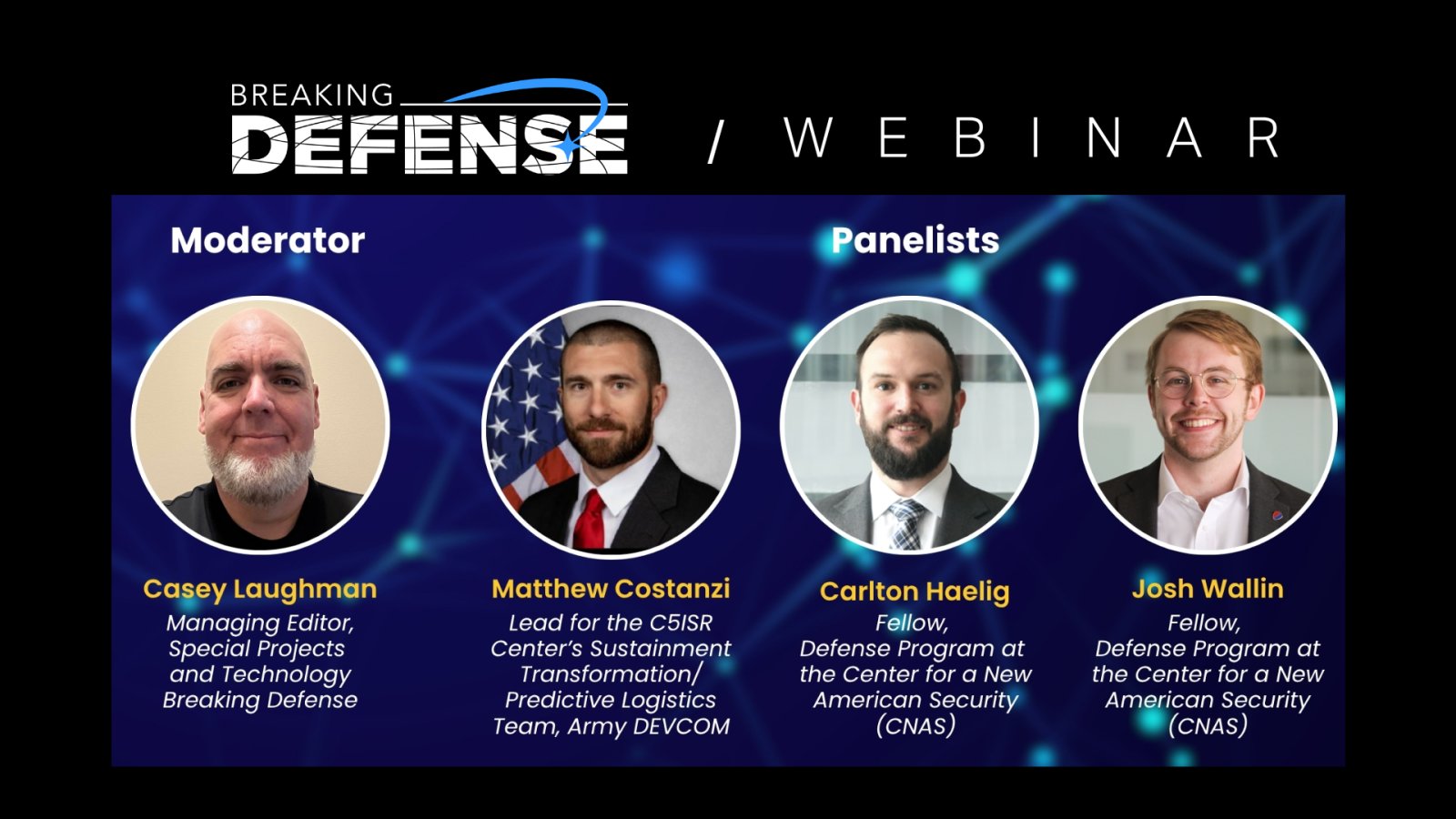
On October 21, 2026, experts from the defense sector will convene to address the urgent operational challenges posed by “contested logistics.” As adversaries increase their capabilities to disrupt physical and cyber infrastructure, the ability to maintain a clear, real-time picture of global supply chains has become a strategic necessity. The panel, featuring insights from Wind River’s Mike Zizza, will examine how digital infrastructure—ranging from edge-based artificial intelligence to private tactical 5G—is being leveraged to ensure that logistics networks remain adaptive and survivable under pressure.
One of the central themes of the discussion is the transition from reactive to proactive maintenance. Historically, logistics models relied on scheduled servicing, which is often impossible in high-intensity, contested environments. The integration of “smart warehousing” and condition-based maintenance allows military commanders to move away from static schedules toward dynamic, data-driven decisions. By using real-time telemetry, commanders can identify critical equipment failures before they occur, effectively extending the lifespan of assets in the field when resupply is dangerous or delayed.
The concept of the “digital backbone” acts as the connective tissue for these advancements. Without resilient, spectrum-agile connectivity, edge AI and automated tracking become isolated data silos. The webinar will delve into how private tactical 5G networks and modern, decentralized network architectures can bridge this gap. By enabling persistent, secure communication even when traditional signals are jammed or compromised, these technologies allow the Pentagon to maintain visibility over asset locations and operational readiness across vast, contested theaters.
Furthermore, the shift toward software-defined systems is transforming how logistics are managed at the battle’s edge. Rather than relying on physical equipment updates that require proximity to a base, software-defined logistics allow for remote, instantaneous updates and configurations. This capability ensures that as the nature of a conflict changes, the digital tools managing the supply lines can evolve at the speed of the threat.
The event, which offers continuing professional education (CPE) credits for business management, underscores a broader industry trend: the integration of high-end commercial software capabilities into the defense industrial base. As industry leaders evaluate future opportunities, the focus is clearly moving toward creating self-healing, observable, and highly responsive networks.
For defense leaders, the stakes are clear. Success in a future fight will not only be defined by the capacity to transport goods, but by the intelligence of the systems that track them. As the Pentagon continues to stress the need for “survivability” in its logistics chain, the upcoming discourse will likely serve as a roadmap for how emerging tech—specifically AI and resilient connectivity—can turn logistical vulnerabilities into a strategic, technological edge.
Industry stakeholders are encouraged to register for the live event, which will conclude with a deep dive into the shifting strategies of defense contractors and the emerging operational requirements for modern warfare.
Disclaimer: This content is auto-generated for informational purposes only.
Source: Read Original News