




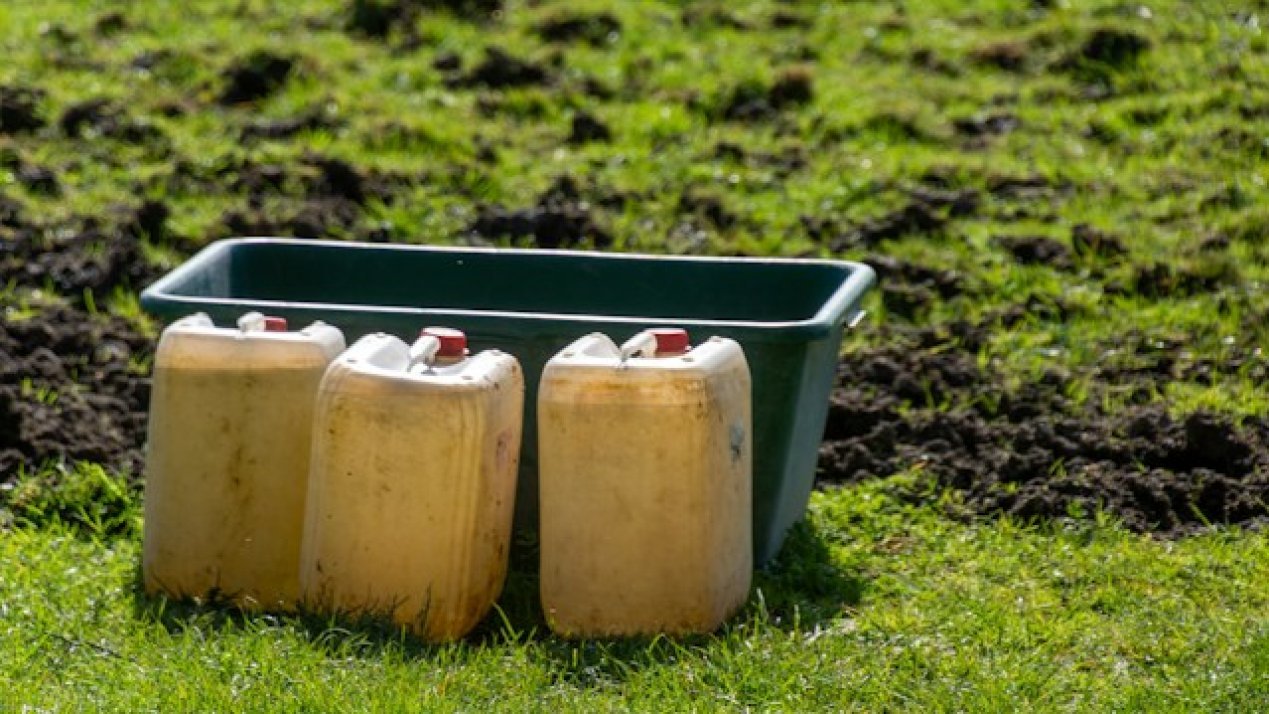
Mexico’s Ministry of Agriculture and Rural Development (SADER) has successfully removed 70 tons of hazardous agricultural waste from the environment during its latest initiative in Baja California. The “Second Free Collection Day for Empty Agrochemical Containers,” held in San Quintin, marks a critical step in the nation’s ongoing effort to mitigate chemical contamination and protect public health.
The program, which gathered 60 tons in San Quintin and 10 tons from a facility in Mexicali, is part of a broader government push to manage the lifecycles of toxic chemicals used in industrial farming. While the initiative focuses on physical cleanup, it highlights the growing need for data-driven, scalable waste management solutions in the agricultural sector, an area where emerging technologies and AI-enhanced monitoring could play a transformative role.
## Leveraging Technology for Environmental Compliance
The collection effort, titled “The destination of your container is a shared responsibility,” underscores the complexity of tracking agricultural hazardous waste. In an era of digital transformation, government agencies and NGOs are increasingly looking toward modern tech infrastructures to improve the traceability of hazardous materials.
While SADER currently relies on manual collection protocols and physical centers (CATs), there is an opportunity to integrate smart supply chain tracking. Similar to how Google Cloud and other hyperscalers provide logistics tools for global manufacturers, the agricultural sector could benefit from blockchain-based or AI-assisted tracking to ensure containers are not abandoned in fields or waterways. Automated monitoring systems, perhaps paired with satellite imagery or sensor-based inventory tracking, could help detect illegal dumping sites or provide real-time updates on regional waste accumulation trends, allowing for more efficient deployment of collection teams.
## The “Wash, Puncture, and Deliver” Protocol
Central to SADER’s success is a rigorous decontamination protocol. The ministry emphasizes that an “empty” container can still hold up to 1.5% of its original pesticide payload. By mandating a “triple-rinse” process, users can eliminate up to 99% of residual chemicals, ensuring the plastic is safe for recycling rather than being discarded as toxic waste.
The initiative demonstrates the importance of “human-in-the-loop” systems. Just as AI models require clean, high-quality data to function correctly, the environmental safety cycle requires high-quality, pre-processed input from farmers. Educating the agricultural workforce on these manual decontamination protocols is currently the primary “algorithm” for safety. Future advancements could involve the development of mobile applications that use image recognition—potentially powered by Google’s TensorFlow or other computer vision tools—to help farmers verify that a container has been properly punctured and cleaned before it is sent to a collection site.
## Scaling Safety via Regulatory Standardization
Beyond the cleanup, SADER has prioritized regulatory compliance. During the event, the National Service for Agro-Alimentary Public Health, Safety and Quality (SENASICA) awarded certification to Agroquímicos Peninsulares for adhering to the Mexican Official Standard NOM-033-FITO-1995.
This certification process acts as a crucial audit in the supply chain, similar to how digital platforms use automated verification to curb misinformation or unauthorized content. By certifying distributors, the government ensures that illegal practices, such as the repackaging of expired chemicals, are minimized.
As this strategy evolves, the integration of digitized, tamper-proof certificates—much like those found in digital identity ecosystems—could streamline the oversight of the entire agricultural input chain. By combining inter-agency cooperation (involving SEMARNAT, COFEPRIS, and SADER) with more sophisticated, tech-enabled tracking, Mexico’s National Strategy for the Management of Empty Pesticide Containers serves as a blueprint for how sustainable policy can be combined with modern infrastructure to safeguard both the workforce and the natural environment.
Disclaimer: This content is auto-generated for informational purposes only.
Source: Read Original News