








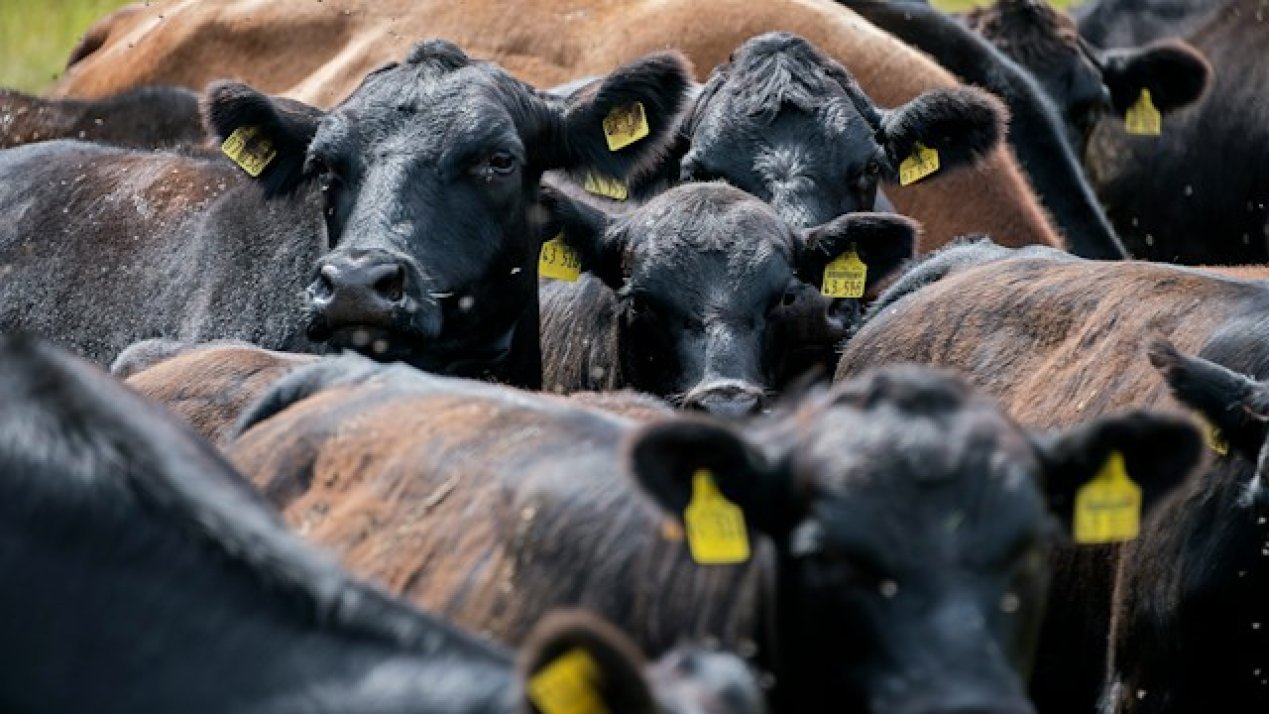
Live cattle exports from Chihuahua have officially resumed, marking a significant milestone for cross-border agricultural trade between Mexico and the United States. While the Ministry of Agriculture and Rural Development (SADER) confirmed that the reopening of the Santa Teresa port of entry in New Mexico is a vital step toward stabilizing the cattle supply, industry analysts warn that the move will likely do little to alleviate record-high beef prices for consumers in the immediate future.
The resumption of trade comes after rigorous health protocols were established to prevent the spread of the New World screwworm. The initial shipment of 430 head of cattle is expected to scale up to 1,500 animals daily within the coming weeks. To ensure safety, both governments overhauled infrastructure at the quarantine station and integrated advanced canine units to tighten inspection processes.
Technological Integration in Biosecurity
The modernization of border inspection facilities highlights an increasing reliance on advanced data management and diagnostic technology in agriculture. Beyond traditional quarantine methods, authorities are leveraging tracking and monitoring systems to audit the safety of livestock. The U.S. Department of Agriculture (USDA) is maintaining a high-tech surveillance network, including the use of traps to detect potential infestations.
These diagnostic efforts are bolstered by predictive modeling and data analytics to monitor the presence of wild screwworm populations. Current data indicates that the threat level is low, thanks in part to the deployment of sterile flies—a biological control method that relies on precision tracking. Despite this technical confidence, the USDA has warned that it will maintain a policy of “dynamic closure,” meaning ports could be paused again if audit data reveals any emerging biological risks.
Market Realities and the Price Gap
Despite the logistical success of reopening the border, market experts remain skeptical about the impact on inflation. Jeff Stolle of Nebraska Cattlemen noted that it typically takes five to eight months for imported feeder cattle to reach maturity and enter the slaughter supply chain. Furthermore, a seven-year period of persistent drought has led to structural shrinkage in U.S. cattle herds, creating a supply-demand mismatch that simple import volume cannot immediately correct.
Even with political interventions aimed at lowering costs—such as the recent attempt to expand tariff-rate quotas for lean beef trimmings—the results have been negligible. Data from the American Farm Bureau Federation suggests that lowering tariffs does not always translate to lower grocery store prices, as retailers and supply chain middlemen often maintain current pricing structures regardless of the landed cost of the product.
Industry Coordination and Future Outlook
The National Agricultural Council (CNA) has lauded the bilateral coordination between Mexico’s SENASICA and the USDA, emphasizing that trade decisions must remain rooted in scientific evidence rather than political pressure. As the industry looks toward the reopening of the Puerto Palomas station in Chihuahua next month, the focus remains on long-term sustainability.
For the tech sector and ag-tech startups, this situation underscores a growing demand for digital solutions in supply chain transparency. As food security becomes a top priority, the integration of blockchain-based tracking for livestock health certificates and AI-driven supply chain forecasting is expected to play a larger role in how international trade operates. By providing real-time visibility into the health and location of exported cattle, stakeholders hope to minimize the risk of future border closures and better manage market volatility. While consumers continue to face high prices, the gradual restoration of trade channels is considered a necessary, if insufficient, step toward eventual market normalization.
Disclaimer: This content is auto-generated for informational purposes only.
Source: Read Original News