






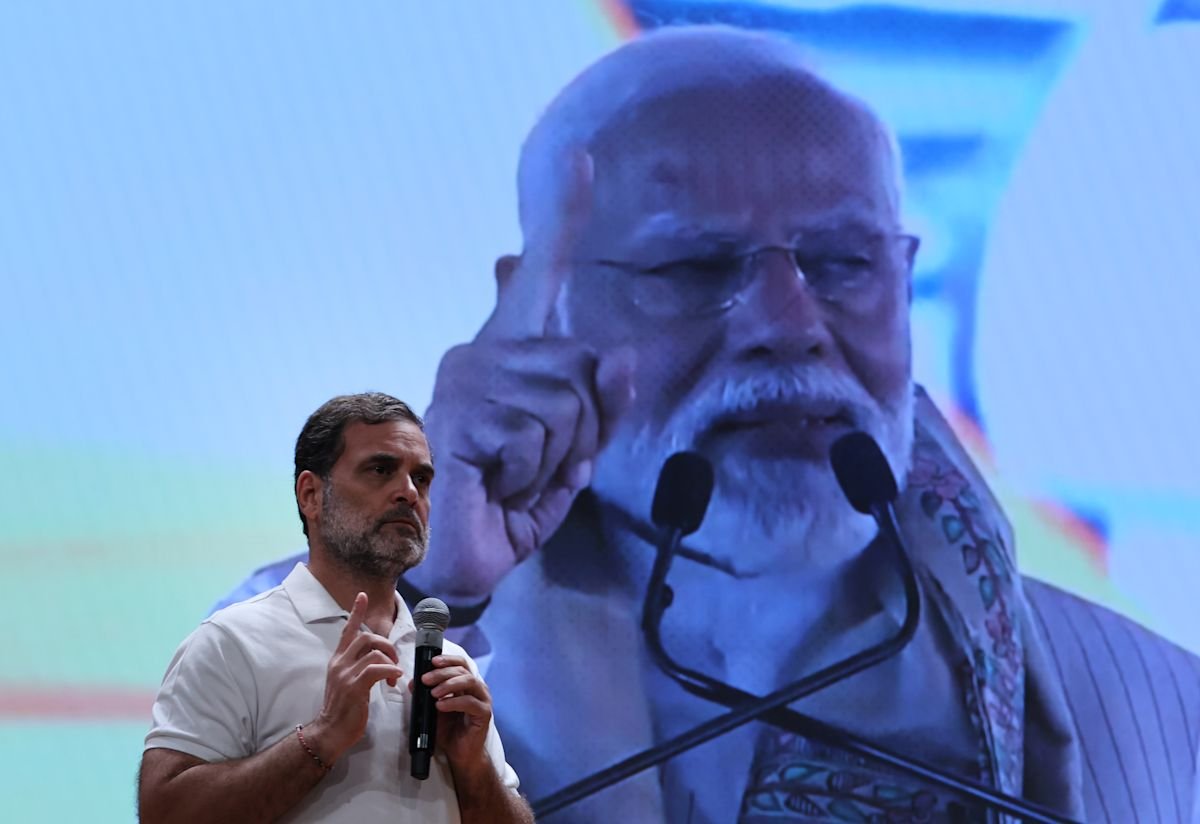
Internal Rift Within Election Commission Casts Shadow Over Indian Democracy
New Delhi – The foundational integrity of the world’s largest democracy is facing a stern test as explosive reports reveal deep-seated dysfunction and internal discord within the Election Commission of India (ECI). Once globally lauded for its robust, complex, and independent management of electoral processes, the constitutional body is now grappling with accusations that its current leadership has bypassed due process to disenfranchise millions of citizens for partisan political gain.
A Commission Divided
Recent investigative reports have surfaced internal documents indicating that Chief Election Commissioner (CEC) Gyanesh Kumar frequently ignored formal dissent from his fellow commissioners, Sukhbir Singh Sandhu and Vivek Joshi. Despite the ECI’s mandate requiring consensus and majority-based decision-making, Kumar allegedly proceeded with unilateral directives. Records show that Sandhu and Joshi formally lodged objections at least 14 times over the past year, with some communications explicitly characterizing the CEC’s actions as “unauthorized and illegal.”
At the heart of the controversy is a massive, ongoing overhaul of voter databases. Since mid-2025, over 13 million names have been removed from the rolls. Opposition leaders argue this systematic pruning disproportionately impacts marginalized communities, minorities, and economically disadvantaged groups, effectively altering electoral outcomes in favor of Prime Minister Narendra Modi’s Bharatiya Janata Party (BJP).
The Burden of Proof
The “Special Intensive Revision” (SIR) of electoral rolls has fundamentally shifted the relationship between the state and the citizen. Traditionally, the ECI acted as a proactive guardian of voting rights; now, voters are increasingly forced to provide aging documentation—such as land records or birth certificates—to prove their eligibility. Even minor administrative discrepancies, like spelling variations in legacy documents, have resulted in voter deletion.
Critics argue that this technological centralization, managed through the “ECINet” platform, has removed power from local officials and consolidated decision-making in New Delhi. This lack of transparency has led to absurd outcomes, including official notices being sent to senior diplomats, judges, and high-ranking government officials demanding they prove their citizenship—an irony not lost on the Indian public.
Opposition and Public Outcry
The political fallout has been swift. Opposition leader Rahul Gandhi has labeled the commission’s conduct as a form of “treason,” vowing that any future administration would seek accountability for those involved. Meanwhile, the youth-led “Cockroach Janta Party” has ignited street protests, demanding the immediate resignation of the CEC and a complete overhaul of the process used to appoint election commissioners.
While the BJP maintains that the deletions are necessary to purge fraudulent entries and illegal migrants from the voter list, the narrative has struggled to gain traction amid widespread public skepticism. Analysts note that the government’s dismissal of these concerns as mere “sore losing” by the opposition ignores the growing existential threat to the republic’s democratic guardrails.
A Dangerous Turning Point
Political analysts suggest India has entered a precarious period. Asim Ali, a prominent observer of Indian politics, warns of a potential “breakdown of the republic,” noting that the perception of once-independent institutions being co-opted has reached an all-time high.
Milan Vaishnav of the Carnegie Endowment for International Peace highlights that while international observers previously exempted India from the global trend of democratic backsliding due to its seemingly robust election management, that distinction is rapidly fading. The impartiality of the “umpire” is being questioned as never before. As former Election Commissioner SY Quraishi poignantly observed, the reputation of a cornerstone institution has been severely compromised, leaving the nation with the arduous, uncertain task of rebuilding public faith in the electoral process.
Disclaimer: This content is auto-generated for informational purposes only.
Source: Read Original News