









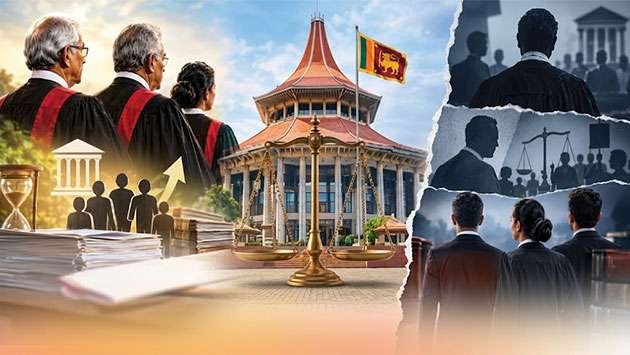
Constitutional Showdown: Heated National Debate Erupts Over Proposed 22nd Amendment
The legislative corridors of power are currently ablaze as the government moves forward with the introduction of the 22nd Amendment to the Constitution. The proposed legislation, which seeks to reshape the executive landscape and recalibrate the balance of power within the state, has ignited a fierce national discourse, drawing sharp lines between supporters who champion reform and critics who fear a dangerous centralization of authority.
The core of the debate centers on the amendment’s potential to modify the executive presidency, a topic that has historically been the flashpoint of Sri Lankan politics. Proponents of the 22nd Amendment argue that the bill is a vital necessity for ensuring political stability, administrative efficiency, and the implementation of long-term policy goals. Supporters contend that the existing framework is plagued by gridlock, hindering the state’s ability to respond effectively to economic crises and governance challenges. From their perspective, the amendment provides the executive branch with the necessary tools to navigate national emergencies without being paralyzed by procedural bottlenecks.
“This is not about consolidating power; it is about establishing a functional government that can deliver results for the people,” noted one government spokesperson, emphasizing that the reforms are essential to restore investor confidence and streamline bureaucratic oversight.
However, the opposition has met these claims with deep skepticism. Critics and civil society activists are voicing grave concerns regarding the potential erosion of the system of checks and balances. The primary fear among detractors is that the 22nd Amendment could undermine the independence of key institutions, effectively granting the executive branch unchecked influence over the judiciary and independent commissions. Legal experts have cautioned that such changes could significantly weaken the democratic architecture of the country, potentially moving the nation closer to an authoritarian model of governance.
“The democratic pulse of this nation rests on the separation of powers,” argued a constitutional lawyer, highlighting that the removal of oversight mechanisms is a dangerous precedent that could lead to widespread abuse of authority. “We are seeing a move toward total executive control under the guise of efficiency, and the long-term cost to the rule of law may be irreversible.”
The public discourse, fueled by social media and grassroots debate, reflects a deeply divided nation. While some citizens express hope that the amendment will usher in a new era of decisive leadership, many others are calling for mass protests, demanding that the government prioritize public welfare and institutional accountability over constitutional maneuvering.
As the bill heads toward intense parliamentary debate, the political temperature continues to rise. Whether the government will secure the necessary majority to pass the amendment—or if mounting public and institutional pressure will force a compromise—remains to be seen. For now, the 22nd Amendment remains the single most contentious issue in the country, serving as a litmus test for the future of its democratic governance.
Disclaimer: This content is auto-generated for informational purposes only.
Source: Read Original News