







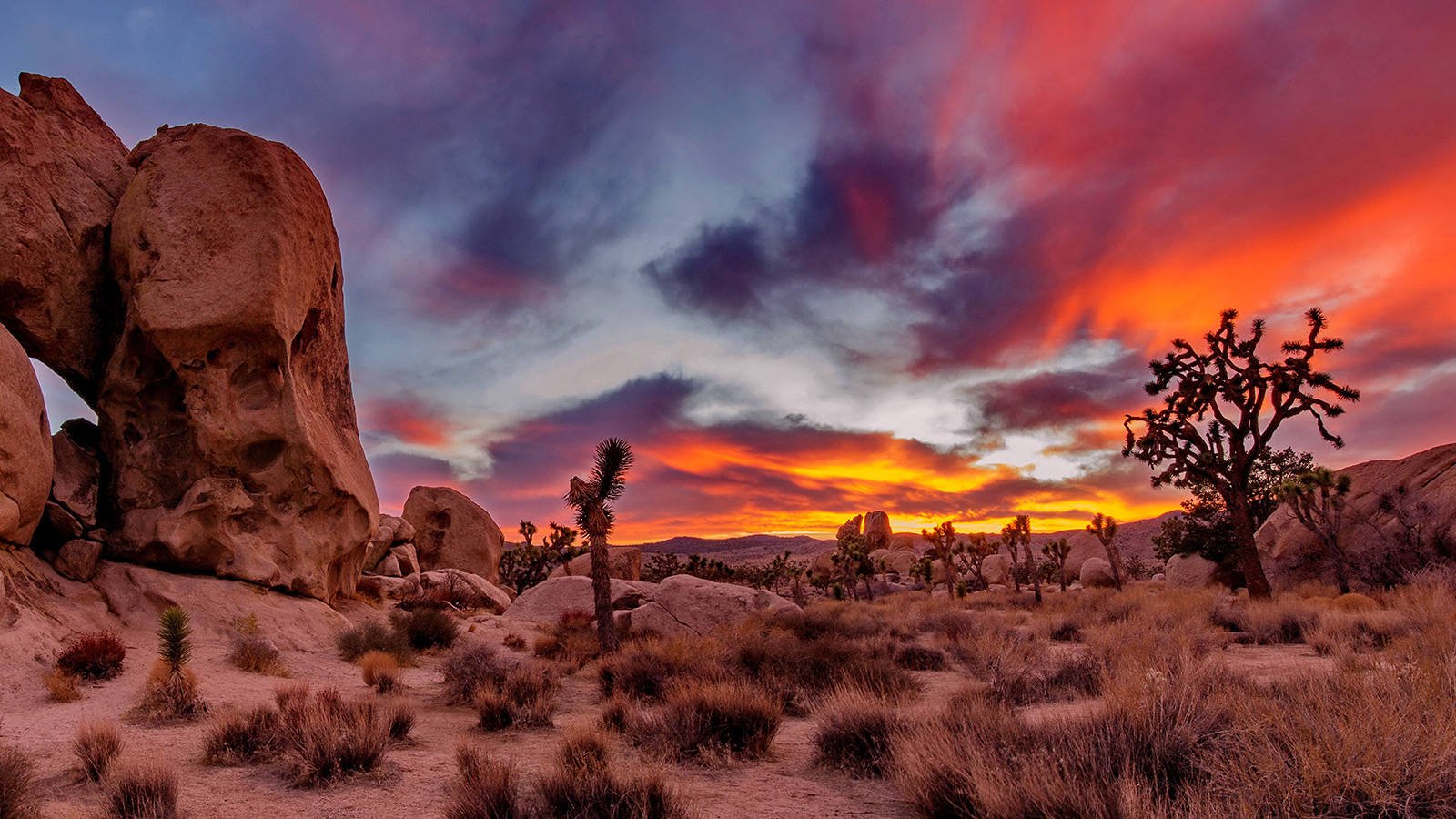
In a significant victory for environmental preservation and Indigenous sovereignty, the California Department of Fish and Wildlife (CDFW) has secured 640 acres of high-desert terrain in San Bernardino County. The acquisition, finalized on August 24, represents a strategic investment in the survival of the western Joshua tree, a species increasingly threatened by climate change and human encroachment.
Located northwest of Pioneertown, the property is being earmarked for long-term conservation and will be managed in collaboration with the Native American Land Conservancy (NALC). This partnership marks a shift in how the state approaches environmental stewardship, prioritizing traditional ecological knowledge and tribal oversight.
## Leveraging Mitigation Fees for Habitat Security
The purchase was made possible through the Western Joshua Tree Conservation Fund, a financial mechanism fueled by mitigation fees paid by developers. Under current California law, any project that risks harming western Joshua trees must obtain specific permits and contribute to this fund. To date, the program has amassed over $23.5 million.
This capital serves as a critical resource for habitat restoration, species monitoring, and the strategic acquisition of land that serves as a climate refuge. The San Bernardino site is the second purchase made under this mandate, bringing the total protected acreage to 923. According to state officials, the agency is already scouting an additional 2,500 acres for potential acquisition, signaling a robust and ongoing commitment to preserving the desert landscape.
## Tribal Co-Management and Ecological Restoration
The collaboration with the Native American Land Conservancy is central to the project’s success. For Michael Madrigal, president of the NALC and a member of the Cahuilla Tribe, the land is both a biological treasure and a cultural legacy.
“I will never forget the first time I went to this new preserve. It is such an amazing place with some of the largest Joshua trees I have ever seen,” Madrigal said in a statement. The partnership seeks to weave tribal expertise into the management of the property, ensuring that the stewardship of these trees aligns with the cultural values of the tribes who have historically cared for the region. While specific management agreements are still being finalized, the initiative stands as a blueprint for how state agencies can integrate tribal authority into environmental policy.
## The Role of Climate Modeling and Future Tech
The selection of this specific 640-acre parcel was not arbitrary. It was the result of extensive climate modeling and predictive research. By utilizing advanced geospatial analysis and AI-driven climate projections, the CDFW identified this area as a high-potential “climate refuge.” As temperatures rise, these specific elevations and soil compositions are expected to remain suitable for the western Joshua tree, even as their current ranges become less hospitable.
This data-backed approach is a cornerstone of the Western Joshua Tree Conservation Plan, which was formally approved earlier this year. Meghan Hertel, director of the CDFW, highlighted that the project demonstrates the state’s ability to convert regulatory framework into physical reality. By synthesizing climate data with legal requirements and tribal cooperation, the state is creating a sustainable model for species survival in an era of rapid environmental transition.
As the state continues to evaluate thousands of additional acres, the Pioneertown project serves as a test case for a broader strategy. By combining developer-funded conservation with a deep respect for Native land rights and rigorous data analysis, California is attempting to reverse the decline of one of its most iconic symbols, ensuring the western Joshua tree remains a fixture of the Mojave Desert for generations to come.
Disclaimer: This content is auto-generated for informational purposes only.
Source: Read Original News