









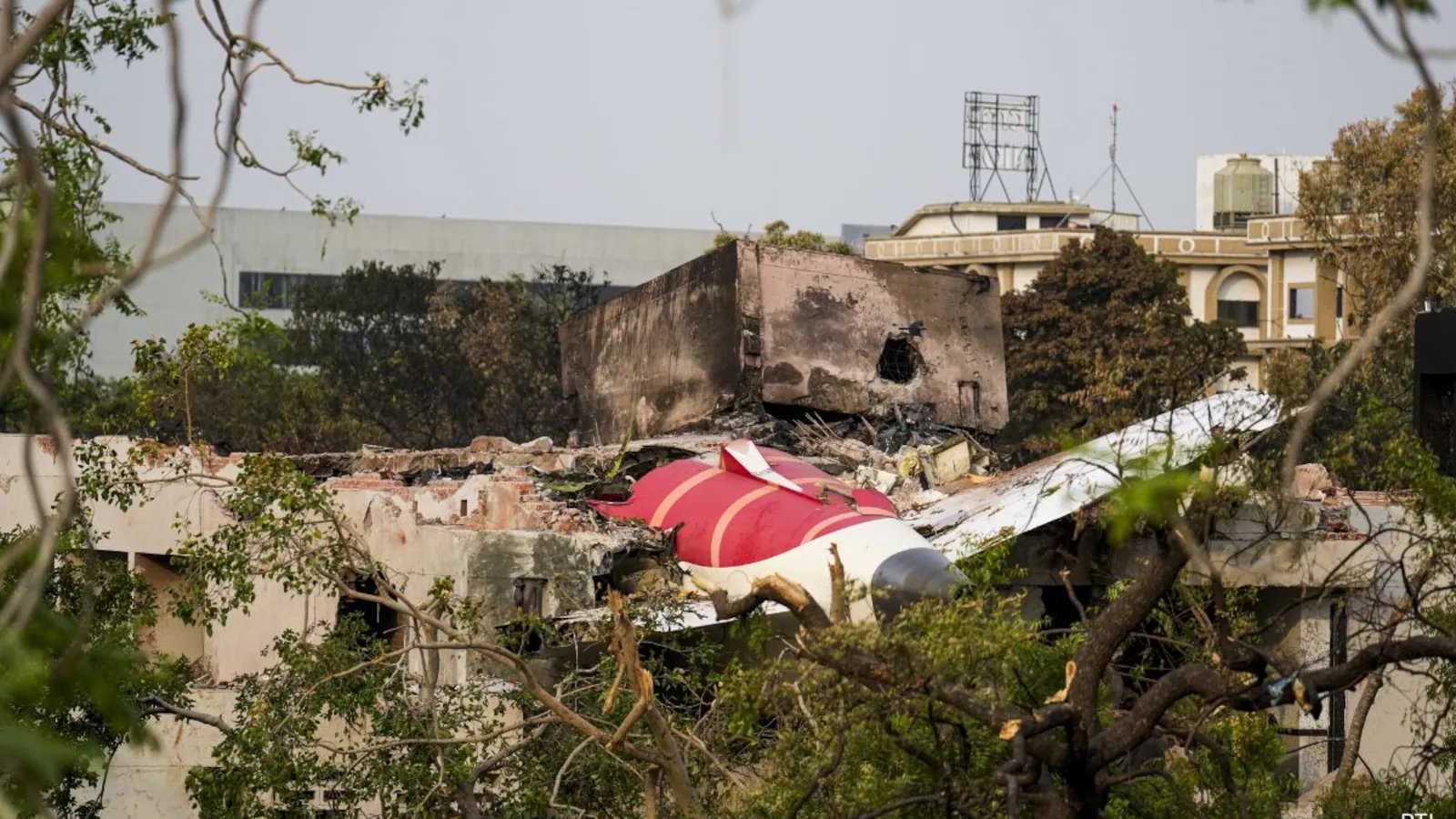
Pilots’ Federation Demands In-Depth Tech Probe into Air India Boeing 787 Crash
The Federation of Indian Pilots (FIP) has issued a formal appeal to the Aircraft Accident Investigation Bureau (AAIB), calling for an exhaustive and forensic evaluation of all electrical and avionics-related data concerning the tragic June 2025 Air India AI-171 crash. In a decisive letter addressed to the investigative body, FIP President Capt. CS Randhawa emphasized that the integrity of India’s aviation safety standards hinges on a meticulous review of the Boeing 787’s sophisticated technical architecture.
Scrutinizing the ‘More Electric Aircraft’ Architecture
The FIP’s concern stems from the unique design of the Boeing 787, which is recognized as a “More Electric Aircraft.” Unlike traditional models, this architecture relies heavily on integrated electrical generation, complex data-network systems, and continuous power distribution monitoring. Given this reliance, the pilot body asserts that any anomaly within these high-tech systems could be central to understanding the events that led to the loss of aircraft VT-ANB.
Capt. Randhawa’s correspondence highlights that the FIP has previously raised multiple flags regarding persistent electrical system concerns on the Boeing 787 fleet. These warnings, submitted to the Ministry of Civil Aviation and the Directorate General of Civil Aviation (DGCA) prior to the June accident, are now being brought to the forefront as essential pieces of the ongoing investigation.
Advocating for a Data-Driven Investigation
To ensure the inquiry is comprehensive, the FIP has urged investigators to incorporate findings from the Foundation for Aviation Safety (FAS). This documentation reportedly includes a detailed history of the aircraft’s maintenance logs, recurring system glitches, and documented fault indications that may have occurred throughout its service life.
The pilots’ union is pushing for a transparent and rigorous investigation, requesting that the AAIB conduct a granular review of:
- Maintenance and Reliability Data: Including deferred defects, repetitive fault reports, and engineering interventions performed on the aircraft.
- Integrated Systems: A deep dive into Integrated Modular Avionics (IMA), flight management computers, and power-control units.
- Cross-Platform Correlation: Utilizing information from flight data recorders, Aircraft Health Monitoring (AHM) systems, and ACARS transmissions to map out the exact sequence of events leading to the crash.
Strengthening Aviation Safety Protocols
While the AAIB has acknowledged the reception of these materials—notably through the involvement of a UK AAIB expert—the FIP remains firm that the investigation must move beyond surface-level analysis. The federation argues that by correlating Built-In Test Equipment (BITE) reports with real-time maintenance databases and manufacturer service records, investigators can identify whether intermittent power interruptions or software-related discrepancies played a critical role in the accident.
By urging a focus on the minutiae of the aircraft’s electrical health, the FIP aims to prevent the recurrence of such incidents. The request for a thorough, evidence-based report highlights a growing demand within the aviation industry for greater transparency and technical accountability when dealing with highly integrated modern aircraft. As the investigation continues, the focus remains on whether these systemic technical indicators, if addressed earlier, might have altered the outcome for flight AI-171.
Disclaimer: This content is auto-generated for informational purposes only.
Source: Read Original News