







Understanding the Scope of the PHYSINT Project
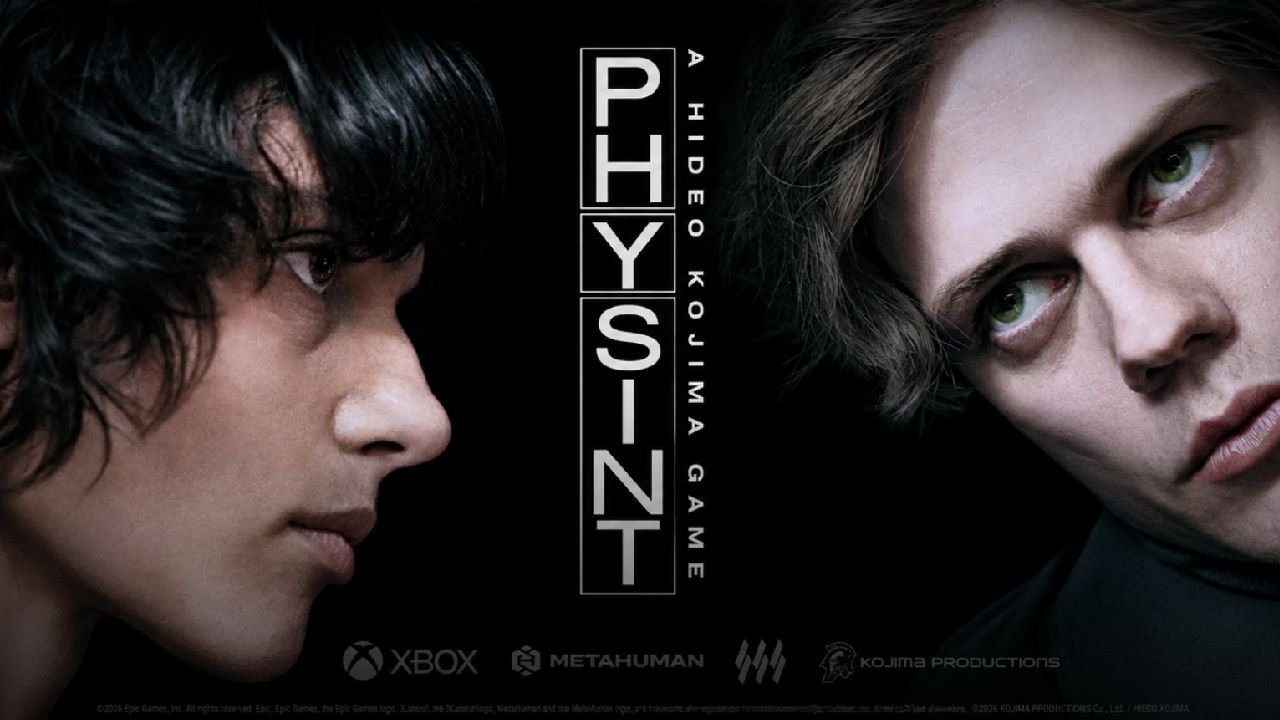
Recent speculation has centered on the financial backing of Hideo Kojima’s upcoming project, “PHYSINT,” an “Action Espionage” title that has generated significant industry interest. Amidst a period of organizational transition at Xbox, including staff reductions and a renewed strategic focus on major established intellectual properties, rumors suggested that the company was committing as much as $400 million to this new venture.
However, industry reporting and internal sources indicate that these figures are substantially overstated. While the project represents a high-profile addition to the Xbox catalog—acting as a spiritual successor to the legendary Metal Gear Solid franchise—the actual development budget is reportedly a small fraction of the speculative numbers circulating online. The erroneous $400 million estimate may have inadvertently conflated the project’s costs with previous internal projections from other entities before the partnership with Xbox was finalized.
Strategic Realignment at Xbox
Under the guidance of CEO Asha Sharma, Microsoft’s gaming division is undergoing a comprehensive restructuring. This pivot prioritizes large-scale, high-impact franchises, such as Fallout and The Elder Scrolls, while streamlining the organization to favor efficiency. This change in direction has led to the departure of several smaller independent teams and a reassignment of internal studios toward larger-scale development goals.
The decision to publish PHYSINT aligns with this desire to secure premium, “blockbuster” content. By focusing on recognizable talent like Hideo Kojima, Xbox aims to bolster its brand prestige. The strategy appears to be a move toward long-term sustainability, moving away from a wide portfolio of smaller projects in favor of fewer, higher-quality releases that can anchor the Xbox platform for years to come.
Economic Pressures in Modern Game Development
The cost of producing AAA games has climbed significantly, driven primarily by the fierce competition for specialized talent. In regions like the Pacific Northwest, where Microsoft is headquartered, game studios must compete with the broader artificial intelligence and software engineering sectors for developers. This reality has forced major publishers to rethink their operational models.
To maintain fiscal responsibility, studios are increasingly looking toward global talent hubs. By leveraging development resources in Eastern Europe, the United Kingdom, and other regions where overhead costs are lower than in major U.S. technology centers, companies are attempting to mitigate the ballooning budgets associated with modern engine technology and high-fidelity asset production. The industry is currently transitioning into a more thrifty era where every dollar spent must directly correlate to player engagement and long-term franchise viability.
Cross-Media Integration and Licensing
A critical component of the agreement between Xbox and Kojima Productions involves more than just the development of the game itself. Reports suggest the deal encompasses broader intellectual property rights, including provisions for film and television adaptations. This approach is becoming standard practice in the gaming industry as a method for offsetting development costs.
By creating content that can translate into multiple entertainment formats, companies can generate additional revenue streams and increase brand exposure. For a creative director like Kojima, whose work has long been noted for its cinematic structure and narrative complexity, such cross-media expansion is a natural fit. These licensing agreements serve as a hedge against the financial risks inherent in traditional console development, providing a symbiotic marketing loop that can extend the life of the product beyond its initial release cycle.
The Future of High-Budget Gaming
The industry remains divided on whether the current trajectory of massive budgets is sustainable. While titles like Grand Theft Auto 6 command budgets approaching $1 billion, there is a vocal contingent of developers at companies like Saber Interactive and Remedy who advocate for “mid-tier” AAA experiences that rely on creativity and optimized production workflows rather than raw capital.
The Xbox approach to the Kojima partnership will be a key indicator of whether the industry can successfully balance high-budget prestige projects with the realities of a more cost-conscious market. If successful, the collaboration on PHYSINT and the upcoming atmospheric horror project “OD” could demonstrate that, even with a more disciplined budget, it is possible to deliver the auteur-driven, high-quality experiences that audiences expect. The challenge for Xbox moving forward will be ensuring these creative visions are fully realized while maintaining the fiscal rigor required by its new corporate mandate.
Disclaimer: This content is auto-generated for informational purposes only.
Source: Read Original News