




WASHINGTON — U.S. President Donald Trump has formally rejected a proposal from Iran to reopen the critical Strait of Hormuz, dealing a sharp blow to hopes for a near-term diplomatic breakthrough in the escalating regional conflict.
The proposal, outlined by Iranian officials late Friday, suggested that Tehran would reopen the vital waterway and resume negotiations regarding its nuclear program within seven days. In exchange, Iran demanded that the United States lift its naval blockade on Iranian ports, waive economic sanctions on Iranian oil exports, and commit to a ceasefire that would encompass Lebanon.
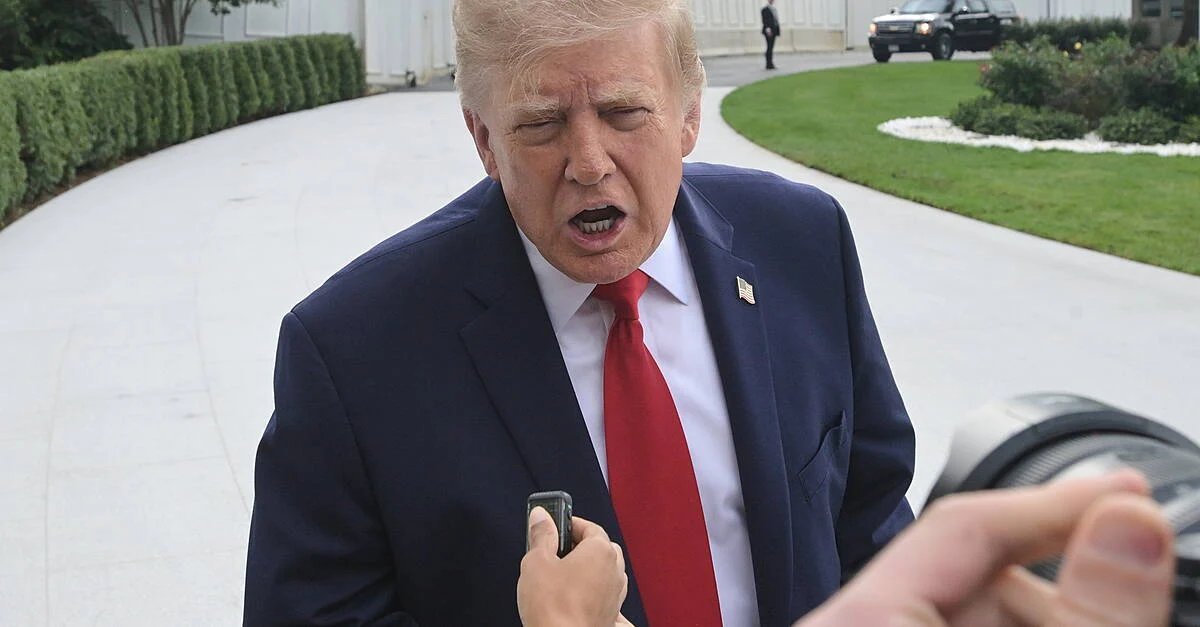
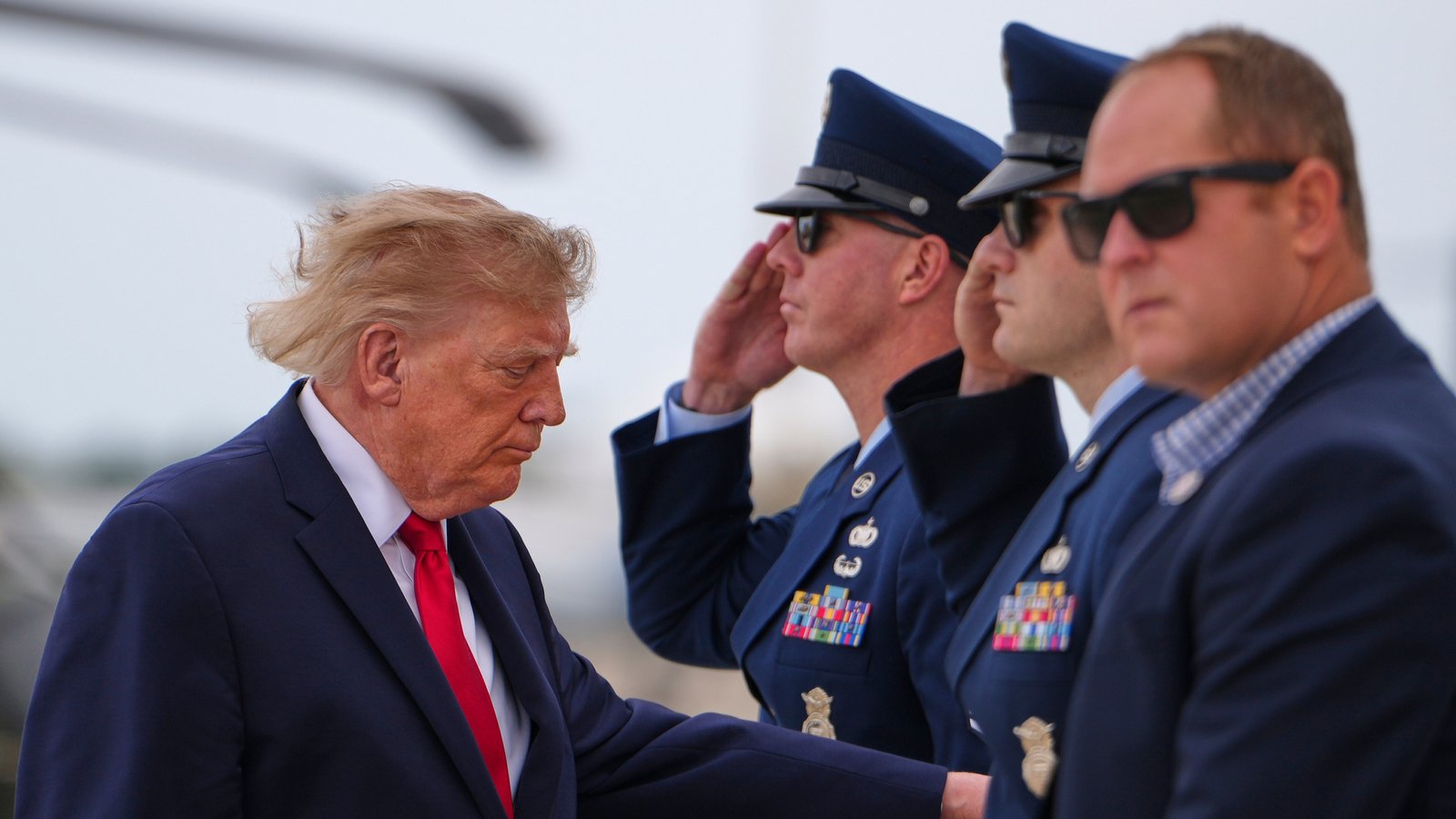
Speaking to reporters outside the White House on Saturday before departing for a college football game, President Trump dismissed the offer. His stance was underscored earlier in the day when he posted an image on his Truth Social platform depicting the Strait of Hormuz labeled as the “Trump Strait.” The provocative gesture marked the first public insight into the President’s reaction to Iran’s suggested deal, which some analysts believed was an attempt to influence the U.S. midterm elections.
The rejection comes amid a flurry of volatile developments across the Middle East. Iranian President Masoud Pezeshkian has departed New York following the United Nations General Assembly, where he maintained that Tehran remains open to diplomacy despite heated rhetoric. Pezeshkian also addressed concerns regarding the health of Iran’s Supreme Leader, Mojtaba Khamenei, telling CBS in an upcoming interview that he has “no specific ongoing health issues” and that the leader remains active behind the scenes.
While diplomatic channels remain strained, the security situation on the ground continues to deteriorate. Saudi Arabia’s military reported early Saturday that its forces intercepted a ballistic missile launched by Houthi rebels in Yemen, targeting the southwestern city of Khamis Mushait. The Gulf Cooperation Council condemned the attack as a “grave escalation,” heightening concerns over the reach of Iran-backed proxies.
Simultaneously, Iraq is attempting to navigate the geopolitical pressure, seeking exemptions from U.S. sanctions on Iranian airlines. The Iraqi government says the exemptions are necessary for humanitarian purposes, specifically to facilitate travel for medical treatment, education, and religious pilgrimages to sites like Karbala and Najaf.
Tensions are further exacerbated by local disputes, with reports from the occupied West Bank indicating that Israeli settlers have intensified efforts to seize natural springs and heritage sites. The diversion of water resources, including the redirection of a pipeline to a settler-controlled pool in the Jordan Valley, has further limited access for the Palestinian population, highlighting the deepening struggle for control over essential resources.
As the standoff continues, the White House has maintained that U.S. officials are engaged in “positive and constructive” conversations with mediators, though today’s rejection suggests a significant gap remains between the demands of Tehran and the policy objectives of the Trump administration.
Disclaimer: This content is auto-generated for informational purposes only.
Source: Read Original News