








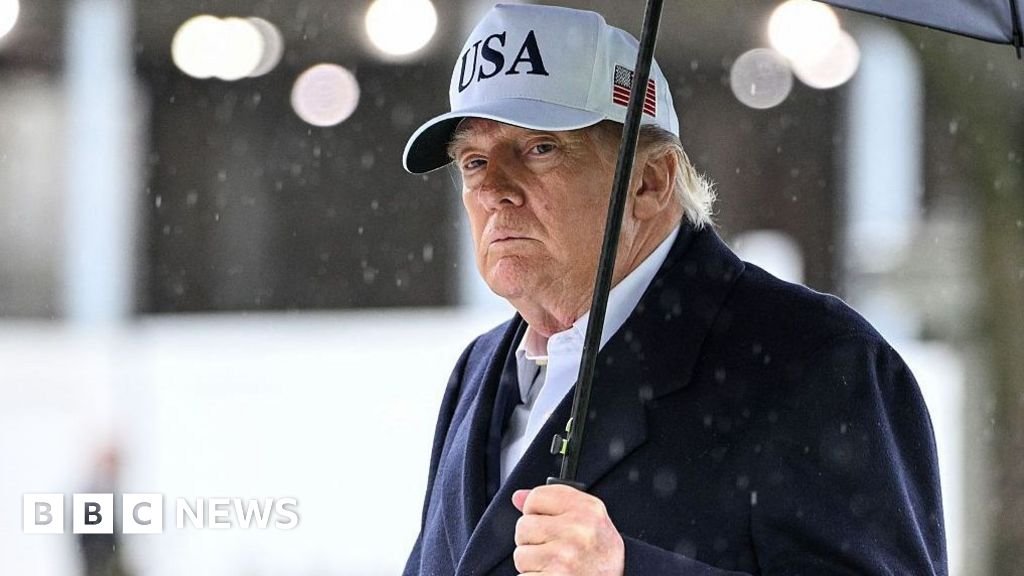
Tehran’s diplomatic apparatus is currently navigating a complex digital landscape, as the fallout from recent geopolitical tensions coincides with an accelerated push by the Iranian government to assert sovereignty over its information technology sector. In a direct address regarding Washington’s latest diplomatic stance, Iran’s Foreign Minister recently scrutinized the contradictions in President Trump’s rhetoric, signaling a shift that extends beyond traditional statecraft and into the realm of modern digital influence.
## The Digital Frontline and Global Tech Governance
The tension between Tehran and Washington is increasingly manifesting through the lens of international tech policy. As global powers vie for control over infrastructure, Iran has continued to emphasize its need for localized digital ecosystems. This focus has brought them into direct conflict with major Western platforms, including Google. The Iranian administration has frequently accused Google and other Silicon Valley giants of bias, claiming that algorithms are being fine-tuned to suppress pro-Iranian narratives while amplifying contradictory geopolitical perspectives.
From the perspective of Iranian policymakers, the dominance of Google’s search ecosystem is not merely a tool for information retrieval but a strategic platform that influences global public opinion. By challenging the administration’s narrative, Iranian officials argue that they are not just debating policy, but fighting for the “digital integrity” of their state. This sentiment aligns with a broader trend among non-Western nations seeking to build sovereign internet infrastructures to bypass the perceived hegemony of US-based cloud and search services.
## AI and the Future of State Narrative Control
Central to this friction is the rapid deployment of artificial intelligence. As Google integrates Gemini and advanced AI models into its suite of products, the debate over who controls the underlying logic of these models has intensified. Iranian officials have expressed skepticism regarding how these AI-driven systems process inquiries about international relations, particularly concerning the Iran nuclear deal and regional sanctions.
For the international tech community, this presents a significant challenge. If global AI models are trained on datasets that favor the perspectives of the United States and its allies, they risk being labeled as “politically compromised” by nations like Iran. The Foreign Minister’s recent remarks suggest that Tehran is closely monitoring how these AI tools synthesize information, warning that the deployment of opaque algorithms could further destabilize already volatile diplomatic channels. The Iranian government is reportedly exploring its own AI initiatives, aiming to create systems that reflect a distinct regional viewpoint, effectively creating a technological “parallel track” to established Western tools.
## Navigating a Fragmented Internet Economy
The broader implications of this standoff extend to the global economy. As US-based tech companies like Google face increasing pressure to comply with international sanctions, their operational capabilities within Iran remain severely hampered. This creates a vacuum that is increasingly being filled by domestic alternatives, which are often heavily monitored or state-sponsored.
Looking forward, the integration of generative AI into consumer tech will likely complicate matters further. If users within restricted regions cannot access the same quality of AI-powered research and productivity tools as the rest of the world, it creates a digital divide that mirrors the physical sanctions currently in place. Experts suggest that the technological decoupling of the East and West is accelerating, driven by the belief that tech platforms are no longer neutral utility providers, but active participants in the modern theater of influence.
As Tehran continues to push back against Washington’s rejectionist policies, the digital sphere remains the most dynamic arena for this confrontation. Whether through the scrutiny of search algorithms or the development of competing AI frameworks, the tech industry is no longer a bystander in global affairs; it has become the primary vehicle through which modern diplomatic disputes are expressed, debated, and contested.
Disclaimer: This content is auto-generated for informational purposes only.
Source: Read Original News