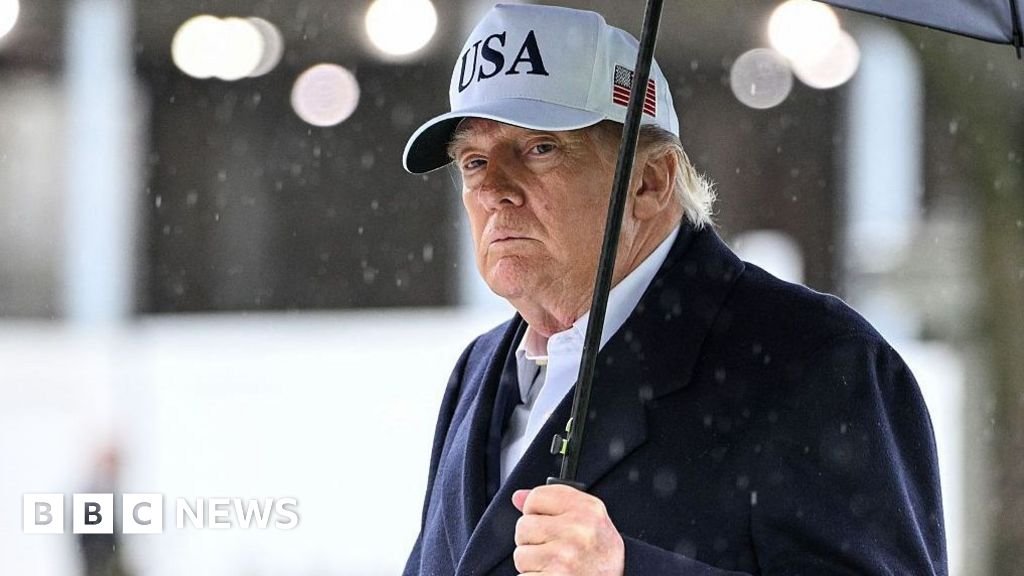









President Donald Trump announced on Saturday that his administration has officially finalized new fuel economy standards, marking the definitive end of the electric vehicle (EV) mandates implemented during the Biden administration. The move is framed by the White House as a critical step toward economic relief for American families and a revitalization of the domestic automotive manufacturing sector.
Rolling Back Federal EV Mandates
In a post on Truth Social, President Trump declared that the previous administration’s policies had forced consumers into vehicle choices they did not want while burdening the economy with significant costs. He specifically criticized the expenditure on charging infrastructure, which he argued failed to deliver intended results.
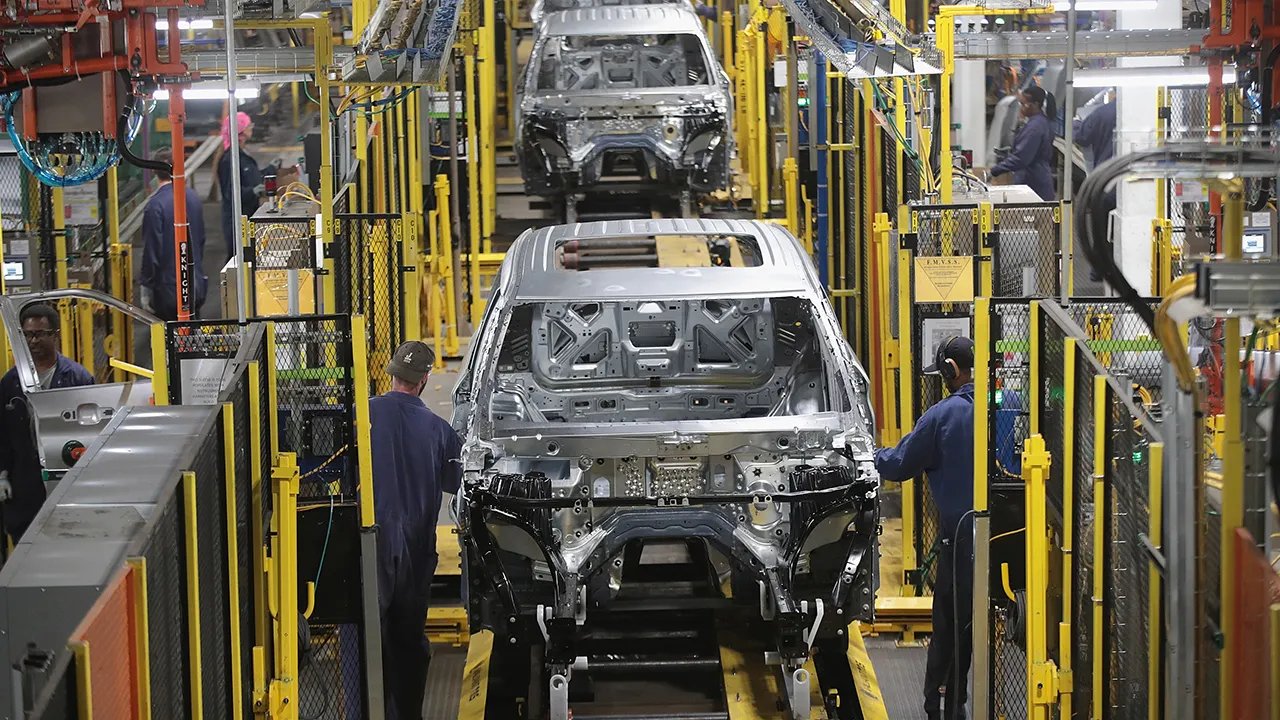
The new standards aim to eliminate regulatory “waste,” with the president asserting that the shift will lower vehicle prices for consumers. According to the administration, these changes are designed to move away from the prior focus on mandated EV adoption, providing manufacturers with more flexibility in their production lines. Trump emphasized that the initiative is backed by a $100 billion investment aimed at bolstering the American auto industry and returning manufacturing jobs to key states such as Michigan, Ohio, and South Carolina.
Industry Response and Manufacturing Strategy
Major U.S. automakers, including Ford, General Motors, and Stellantis, have reportedly been in active consultation with the administration regarding these adjustments. Ford CEO Jim Farley previously expressed support for the administration’s efforts to reform fuel standards, describing the move as a victory for consumer affordability and pragmatic policy. By lowering regulatory hurdles, automakers suggest they can better align production with market demand, focusing on a broader range of vehicle types rather than being strictly tethered to rigid electrification quotas.
This regulatory pivot follows other significant legislative actions, including the termination of federal EV tax credits through the “One Big Beautiful Bill Act” and the recent nullification of California’s restrictive emissions mandates. By overriding California’s ability to set independent, stringent emissions standards, the federal government aims to standardize regulations across the entire country, effectively removing the “dictatorial powers” that the administration claimed California had over the national automotive market.
The Future of the Domestic Auto Market
The shift in policy represents a broader strategy to recalibrate the U.S. transportation sector. While the previous administration emphasized a rapid transition to battery-electric vehicles to meet aggressive climate goals, the current focus appears to be on economic accessibility and supporting traditional combustion engine innovation.
The administration credits Secretary of Transportation Sean Duffy and Secretary of Commerce Howard Lutnick for their roles in overseeing this transition. As these new standards take effect, the focus for major manufacturers is expected to shift toward launching new models that are more budget-friendly for the average consumer, while maintaining a presence in the diverse American automotive landscape.
This change in trajectory arrives as the industry grapples with the global competition for vehicle sales, particularly concerning the rise of international EV imports. With the implementation of these new standards, the administration expects that American automakers will be better positioned to compete globally without the structural financial weight of previous federal mandates. The move serves as the latest pillar in a broader effort to deregulate the energy and manufacturing sectors, promising a “common sense” approach to the future of transportation in the United States.
Disclaimer: This content is auto-generated for informational purposes only.
Source: Read Original News