







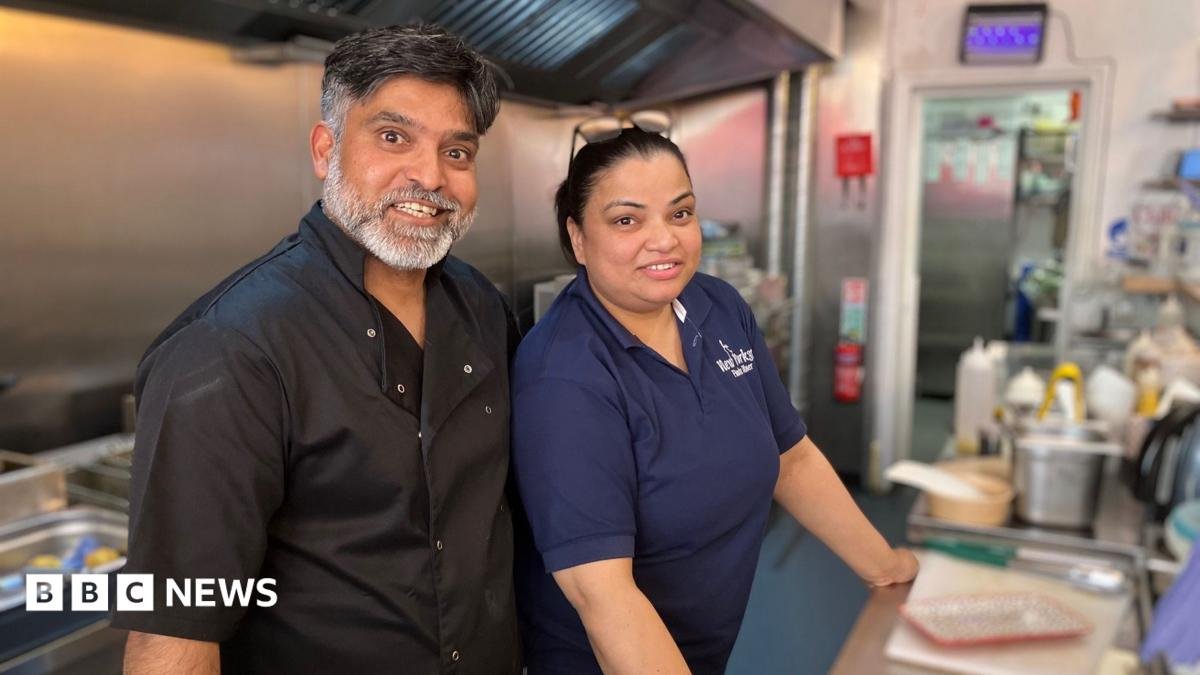
The quiet stretches of Gravesend’s heritage high street, once a bustling corridor for commuters and day-trippers, now face an uncertain future. For small business owners like Alim and Rita Khan, the absence of the Tilbury-Gravesend ferry service—which ceased operations two years ago following the withdrawal of council funding—has left a palpable void in foot traffic and economic vitality.
While the physical street faces a downturn, local entrepreneurs are increasingly turning to the digital frontier to offset the loss of passing trade. In an era where physical accessibility is fluctuating, the role of local SEO, Google Business Profiles, and algorithmic visibility has become the modern lifeline for shops struggling with the “lost ferry” effect.
Digital Visibility as a High Street Lifeline
For the Khans, owners of the Indian street food spot Chaat N Chai, the loss of the ferry meant losing more than just bodies on the sidewalk; it meant losing the brand awareness that comes from casual discovery. “Anything is movement here, it helps to advertise your business,” Alim explains. “They might not buy at the time, but they will go and think about your business.”
In the absence of a natural flow of commuters, local businesses are finding that their survival now hinges on their performance within the Google ecosystem. Owners are pivoting toward data-driven strategies, utilizing Google’s AI-powered local search tools to ensure that when a hungry traveler or local resident searches for “food near me,” their establishment appears at the top of the local pack. By optimizing their Google Business Profiles with fresh photos of their authentic dishes, responding to reviews, and updating operating hours in real-time, these businesses are effectively creating a virtual “footfall” to replace the one lost at the riverbank.
The Role of AI in Local Economic Recovery
As Gravesham MP Dr. Lauren Sullivan prepares for a pivotal summit on October 16—bringing together councils and transport stakeholders to discuss the potential restoration of the ferry—small businesses are also exploring how AI can help bridge the gap until then.
Modern AI updates within Google Maps, such as “Immersive View” and generative AI search summaries, are changing how tourists discover heritage towns. If the ferry is eventually restored, these digital tools will be essential in translating that physical arrival into sustained economic gain. Currently, businesses like the nearby Marie’s Tea Room are feeling the pressure of a decreased, older demographic of visitors. Employee Malik Aboderin notes that the once-vibrant Saturday trade has significantly slowed. By leveraging AI-driven customer sentiment analysis and automated marketing tools, these businesses are attempting to better target the local population, shifting their focus from passing commuters to a loyal, digital-first community.
Navigating the Future of Heritage Commerce
The situation in Gravesend reflects a wider trend in urban planning where digital infrastructure is just as important as physical transport links. As local leaders meet to debate the future of the ferry, the conversation is shifting toward an omnichannel approach.
Tech giants have repeatedly highlighted that a robust local digital presence is the biggest predictor of post-pandemic business survival. For the owners on Gravesend’s high street, the goal is clear: they need the physical ferry to restore the traditional rhythm of the town, but they need their digital presence to be stronger than ever to maintain their bottom line.
Whether it is through Google’s latest updates to its local search algorithms or the potential reinstatement of the ferry service, the path forward for businesses like Chaat N Chai is a blend of traditional hospitality and high-tech visibility. The upcoming summit will be a test of how effectively local authorities can work with both the transport sector and the digital realities of the modern economy to ensure that heritage high streets do not become relics of the past.
Disclaimer: This content is auto-generated for informational purposes only.
Source: Read Original News