






India-Canada Trade Pact Nears Finish Line Ahead of PM Modi’s December Visit
New Delhi is gearing up for a pivotal month of diplomatic and economic activity as trade officials from India and Canada push to finalize a Comprehensive Economic Partnership Agreement (CEPA). Recent reports indicate that Canadian trade minister Maninder Sidhu is slated to visit India around mid-October, marking his second trip in just over a month, as both nations aim to resolve outstanding issues before Prime Minister Narendra Modi’s scheduled visit to Canada in December.
The diplomatic urgency follows a period of significant repair in bilateral relations. Following the election of Prime Minister Mark Carney in 2025, Ottawa and New Delhi have moved swiftly to mend ties and pivot toward deeper economic cooperation. With the objective of pushing two-way trade to $70 billion by 2030, the current negotiations have transitioned from technical official-level discussions to high-stakes political engagement.
Ministerial Intervention to Drive Progress
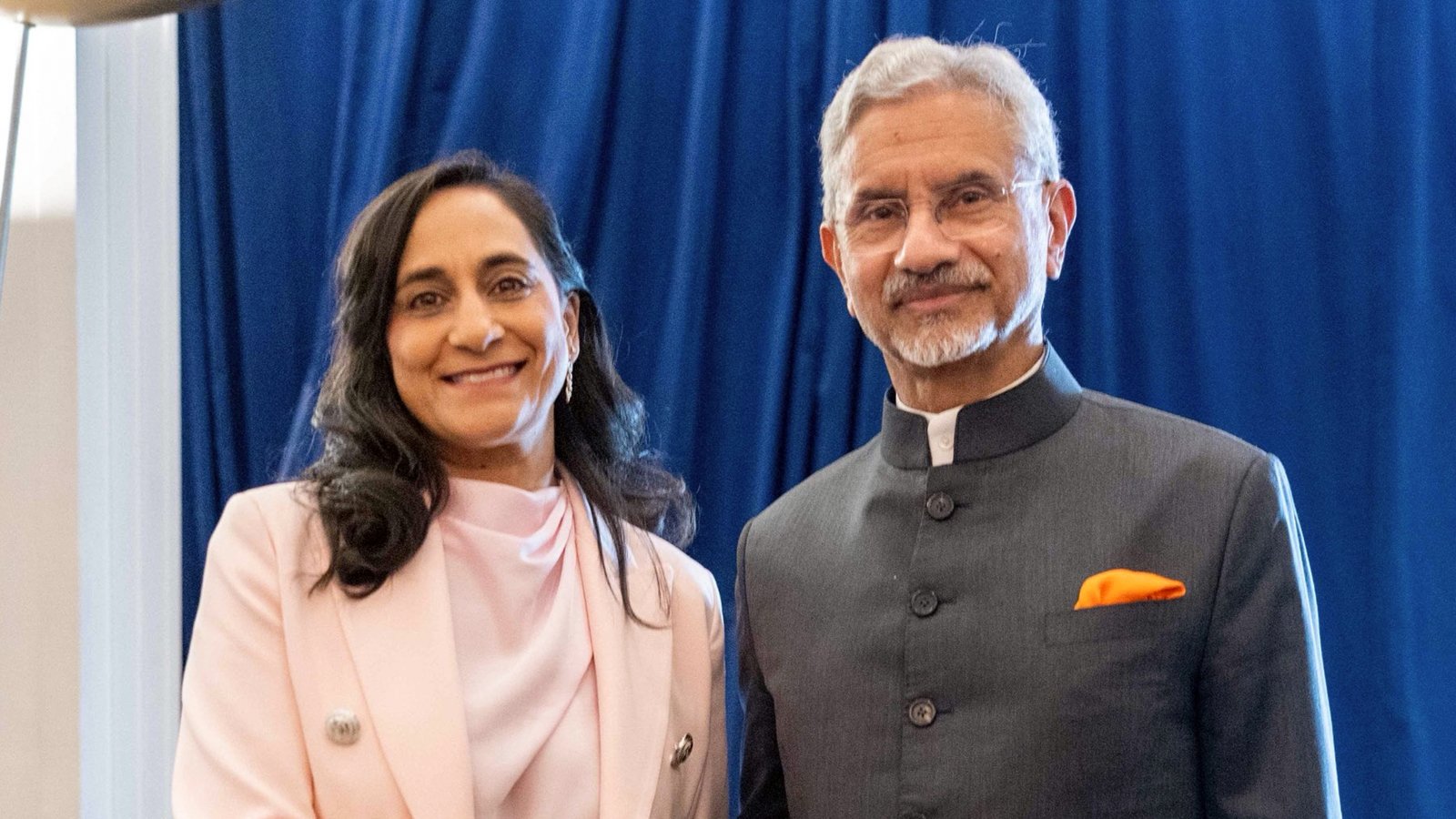
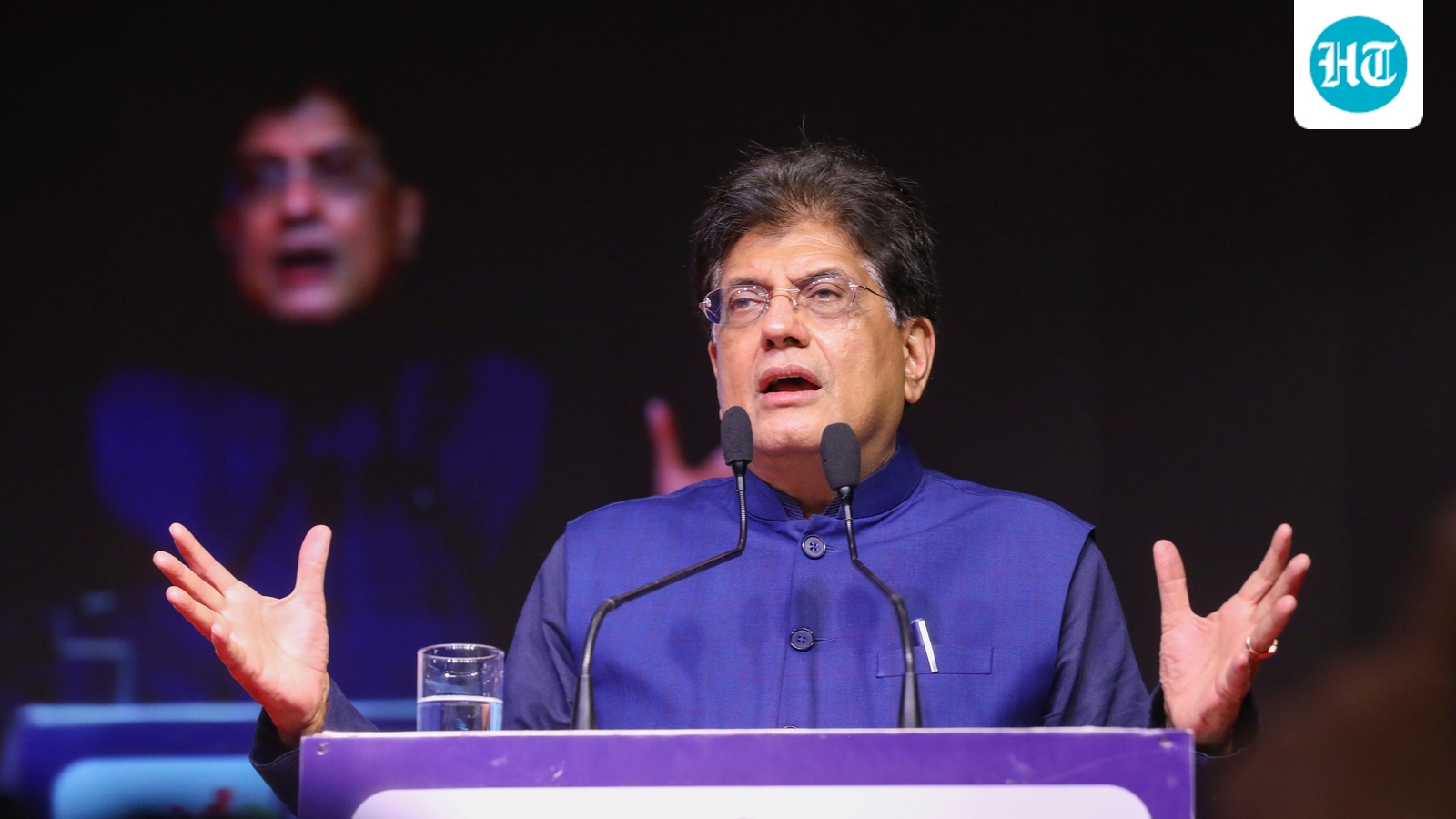
While officials have successfully navigated most of the technical complexities of the CEPA, sources familiar with the discussions suggest that several contentious matters now require direct intervention from the ministerial level. To facilitate this, commerce minister Piyush Goyal and his Canadian counterpart, Sidhu, are expected to hold intensive meetings in New Delhi following the fifth round of negotiations, which are set to take place in Canada on October 5.
Before that, Commerce Secretary Rajesh Agrawal is expected to engage with senior Canadian counterparts while en route to trade meetings in Mexico, ensuring that the momentum remains consistent across the Pacific.
The upcoming visit by Sidhu, expected around October 15, will coincide with a large Canadian trade delegation seeking to explore investment landscapes in India. This follows a successful visit to Canada by a massive Indian business delegation—led by Goyal—earlier this May, which signaled a full-scale revival of the economic partnership.
A Strategic Timeline
The target date for the finalization of the trade deal is intrinsically linked to Prime Minister Modi’s diplomatic tour in December. In addition to attending the G20 Summit in the United States, the Prime Minister is expected to visit Canada and Belgium. Expectations are high that the India-Canada CEPA and an India-EU free trade agreement will be high-priority items during these stops.
The economic potential for both nations is substantial. India serves as a key market for Canadian exports, including energy resources, mineral fuels, and agricultural goods. Conversely, Canada remains a vital destination for Indian pharmaceutical products, machinery, and precious metals.
As of 2025, the total trade in goods and services between the two nations stood at $30.4 billion. By aligning their regulatory frameworks and reducing tariff barriers through the proposed CEPA, both governments hope to capitalize on their complementary economic profiles.
“Nothing is final until every clause is agreed upon,” noted an official familiar with the negotiations, “but there is a distinct political will on both sides to conclude this process before the year concludes.”
As the October deadline for further talks approaches, the focus remains on transforming the current diplomatic thaw into a long-term, institutionalized economic partnership that reflects the shared ambitions of New Delhi and Ottawa.
Disclaimer: This content is auto-generated for informational purposes only.
Source: Read Original News