








India-Canada Relations Poised for a Breakthrough: PM Modi’s December Visit to Seal Major Trade Pact
In a significant sign of the deepening rapprochement between New Delhi and Ottawa, India and Canada are moving rapidly to elevate their bilateral ties. Signaling this diplomatic momentum, Canadian Foreign Minister Anita Anand recently emphasized the urgent need for “renewed partnerships” with major global players, explicitly naming India as a key pillar in Canada’s revised economic strategy.
The shift in tone coincides with preparations for a high-stakes visit by Prime Minister Narendra Modi to Canada this December. The visit is widely expected to culminate in the finalization and signing of the long-awaited Comprehensive Economic Partnership Agreement (CEPA), a cornerstone of the two nations’ revitalized cooperation.
A Renewed Diplomatic Chapter
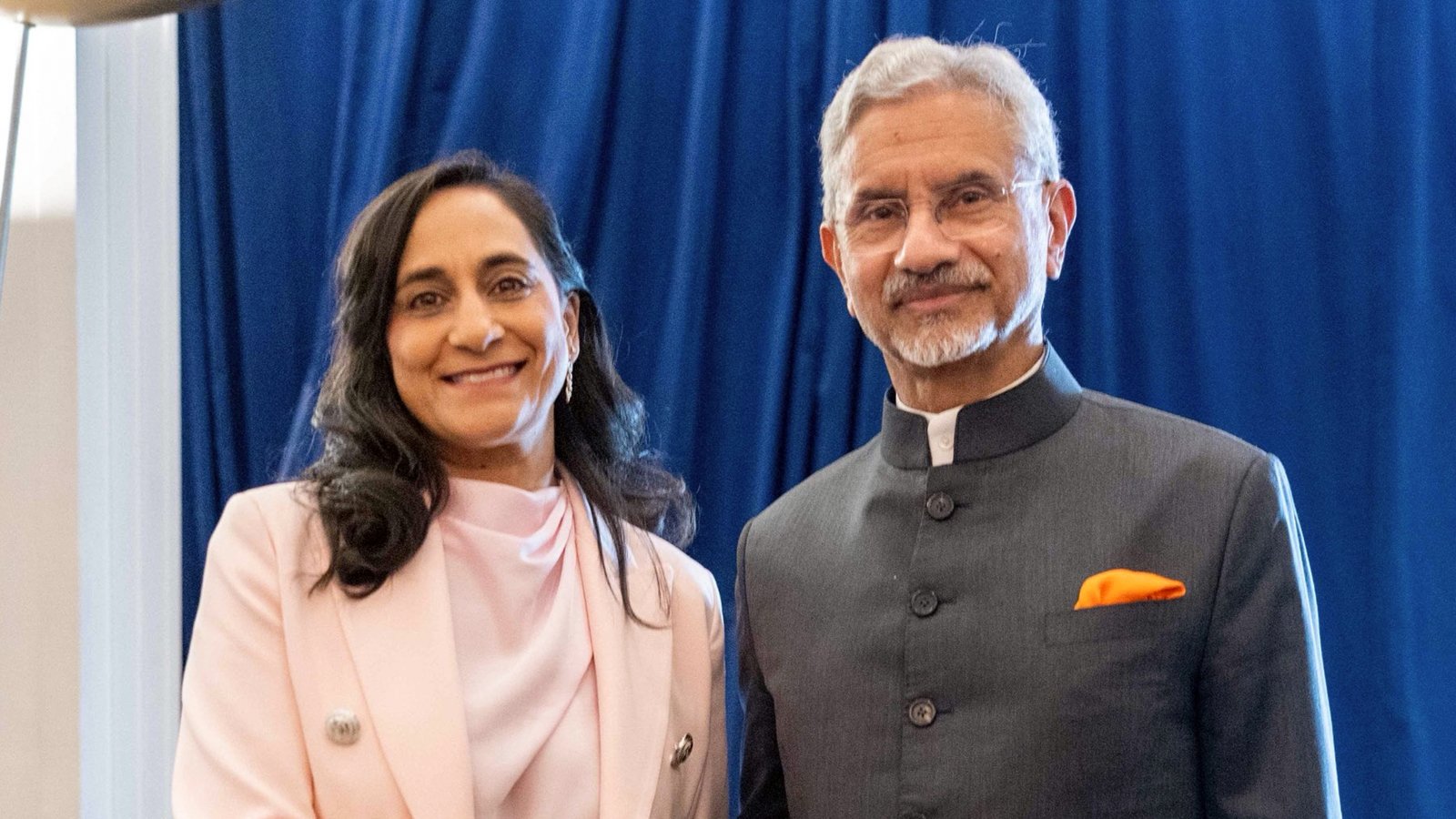
The recent meeting between External Affairs Minister S. Jaishankar and Foreign Minister Anand on the sidelines of the United Nations General Assembly (UNGA) underscored the warming relations. Sharing a clip of their discussion on social media, Jaishankar remarked that both nations are actively working to take their partnership “to a higher level.”
This collaborative spirit marks a stark contrast to the tensions that clouded the relationship in 2023. Following a period of diplomatic friction during the previous Canadian administration, the arrival of Prime Minister Mike Carney in early 2025 served as a catalyst for a reset. The restoration of stability was bolstered by the Royal Canadian Mounted Police’s July report, which clarified that no evidence linked Indian government officials to the death of Hardeep Singh Nijjar, clearing a significant hurdle in the bilateral discourse.
Strategic Trade and Economic Goals
Canada’s current economic focus, as articulated by Minister Anand during the UNGA, centers on trade diversification and attracting a trillion dollars in domestic investment over the next five years. With Washington presenting new trade and tariff pressures, both New Delhi and Ottawa are prioritizing strategic autonomy.
The CEPA is designed to be the engine of this economic alignment, with ambitious targets to expand bilateral trade to $50 billion by 2030. Progress has been brisk; Canadian Prime Minister Mike Carney noted that negotiations are advancing smoothly, with the next intensive round of discussions scheduled for early October. Commerce Minister Piyush Goyal has played a pivotal role in these efforts, ensuring the partnership remains on an accelerated track.
Beyond Trade: A Four-Pillar Strategy
The India-Canada relationship is evolving into a multifaceted alliance that transcends traditional commerce. Both countries have launched a strategic cooperation framework defined by four critical sectors: nuclear energy, critical minerals, clean energy, and high-tech collaboration.
Furthermore, Canadian pension funds remain among the most significant institutional investors in India’s infrastructure and real estate sectors, cementing the long-term financial integration of the two economies. Beyond economics, the two nations are working in concert to strengthen multilateralism, as evidenced by their joint sponsorship of the recent summit on multilateral reform at the UN headquarters.
Should the December visit proceed as planned, it will mark Prime Minister Modi’s first bilateral visit to Canada since 2015. With the geopolitical landscape shifting, the alignment between New Delhi and Ottawa is increasingly viewed as a mutually beneficial pivot, promising to reshape the economic and security architecture of the Indo-Pacific and beyond.
Disclaimer: This content is auto-generated for informational purposes only.
Source: Read Original News