







The Thin Line: India’s Civil Servants Caught Between Rule of Law and Economic Reality
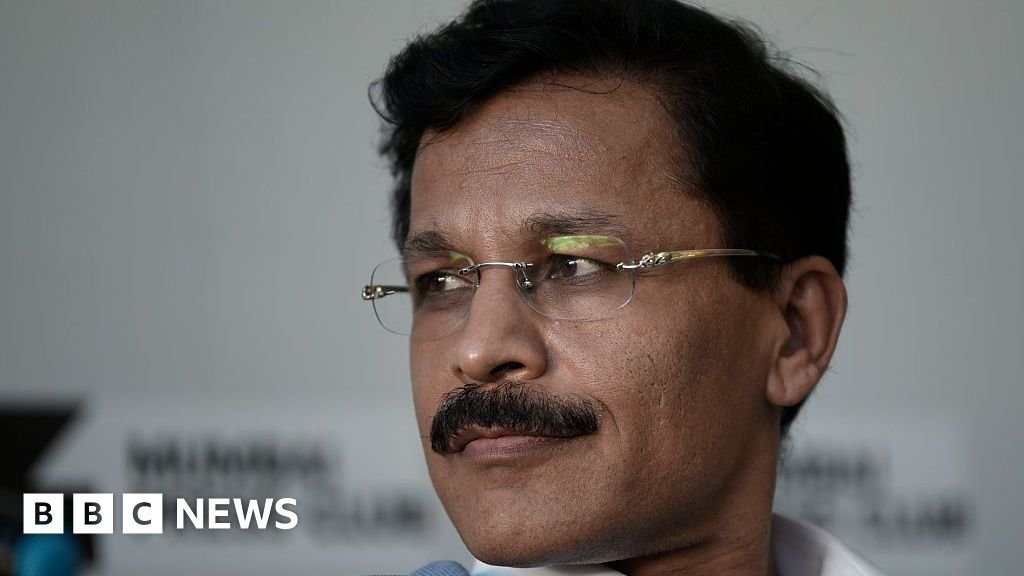
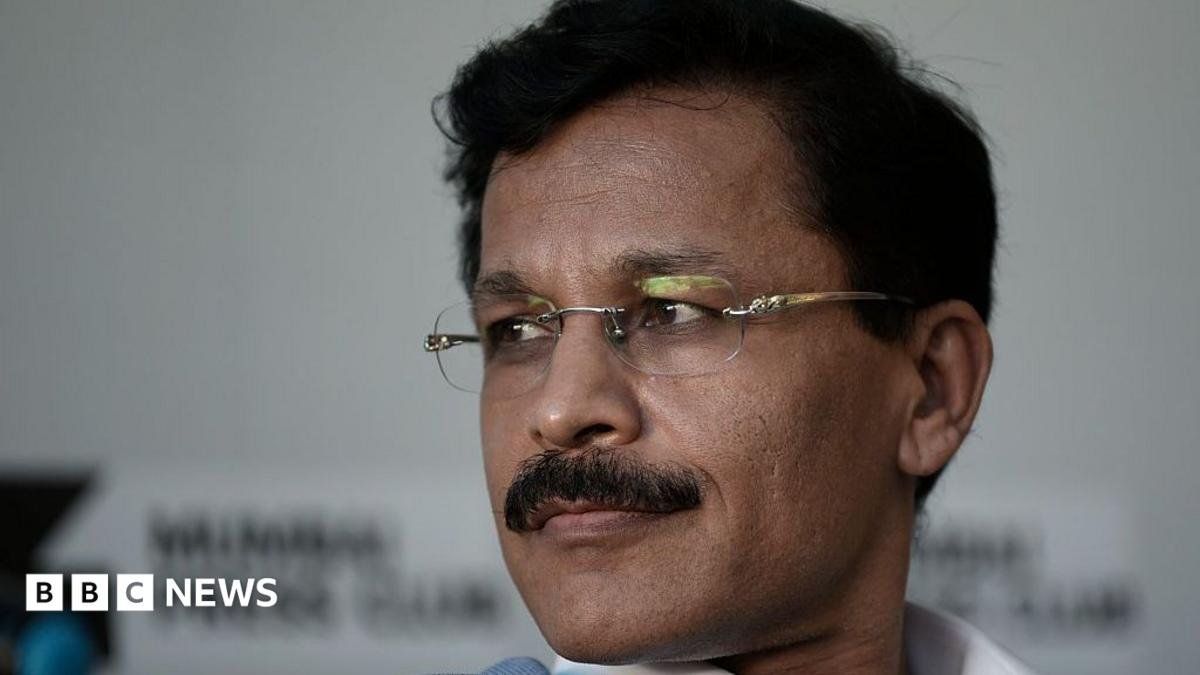
In the corridors of Indian administration, the conflict between strict regulatory enforcement and the harsh socioeconomic realities of the urban poor remains an enduring tension. High-profile officials like Mundhe and Batth frequently find themselves at the center of this storm. While their efforts to enforce zoning laws, safety regulations, and building codes are often framed as necessary for orderly urban development, they have triggered significant backlash from those at the receiving end of the bureaucracy’s iron hand.
The Enforcement Paradox
For officials like Mundhe, who has faced intense criticism from the hospitality sector, the defense is consistent: administrative action is evidence-driven. Suspensions of licenses, he argues, are reserved only for egregious violations. Similarly, Batth has defended his drives against illegal encroachments by citing the rigid town-planning codes that govern Indian cities.
However, critics often label these actions as selective, arguing that enforcement disproportionately targets the most vulnerable segments of society. This creates a fundamental dichotomy: an action that is technically lawful under the statute book can simultaneously appear as a brutal disruption of livelihood. As experts point out, what a town planner might deem an “unauthorised structure” is, to a struggling family, often their only source of income or shelter. In the vast, migration-heavy landscape of Indian cities, the lack of affordable infrastructure makes informal settlements and street vending an economic necessity rather than a lifestyle choice.
The Cost of Integrity
The challenges faced by these bureaucrats extend beyond public criticism; they operate within a complex web of political pressure. The career of a civil servant is often precarious, with transfers frequently used as a tool to punish those who refuse to bend the rules.
Pushpa Sundar, a former civil servant and author, notes that officers are not immune to the pressures of personal lives and career advancement. Acting independently in the face of political interference requires a rare level of courage. “They too have families, careers and financial responsibilities,” Sundar says, advocating for stronger institutional safeguards to protect officials who resist improper political directives.
The personal cost of such independence is well-documented. Former district magistrate Jaswal recalls his tenure in Uttarkashi in 1974, where he famously defied a senior minister’s demands during an election cycle. His refusal to bypass the law led to his swift transfer, yet it also earned him the respect of the local populace, who lined the streets for kilometers to bid him farewell when he departed.
A Complex Balance
The relationship between India’s political class and its civil service is rarely transparent. While some officials opt for the path of least resistance to secure favorable postings and ensure career longevity, others choose the difficult route of adherence to the law. This choice, however, invariably comes with consequences.
Ultimately, the friction between regulatory enforcement and the basic needs of the citizenry highlights a deeper systemic issue. Until the state can provide the infrastructure required to accommodate the millions seeking a better life in cities, bureaucrats will continue to be caught in the crossfire—tasked with upholding laws that, in their strict application, can inadvertently alienate the very people they serve. The ongoing debates surrounding Mundhe and Batth are merely symptoms of a broader national struggle: how to balance the rule of law with the compassionate governance a developing nation demands.
Disclaimer: This content is auto-generated for informational purposes only.
Source: Read Original News