








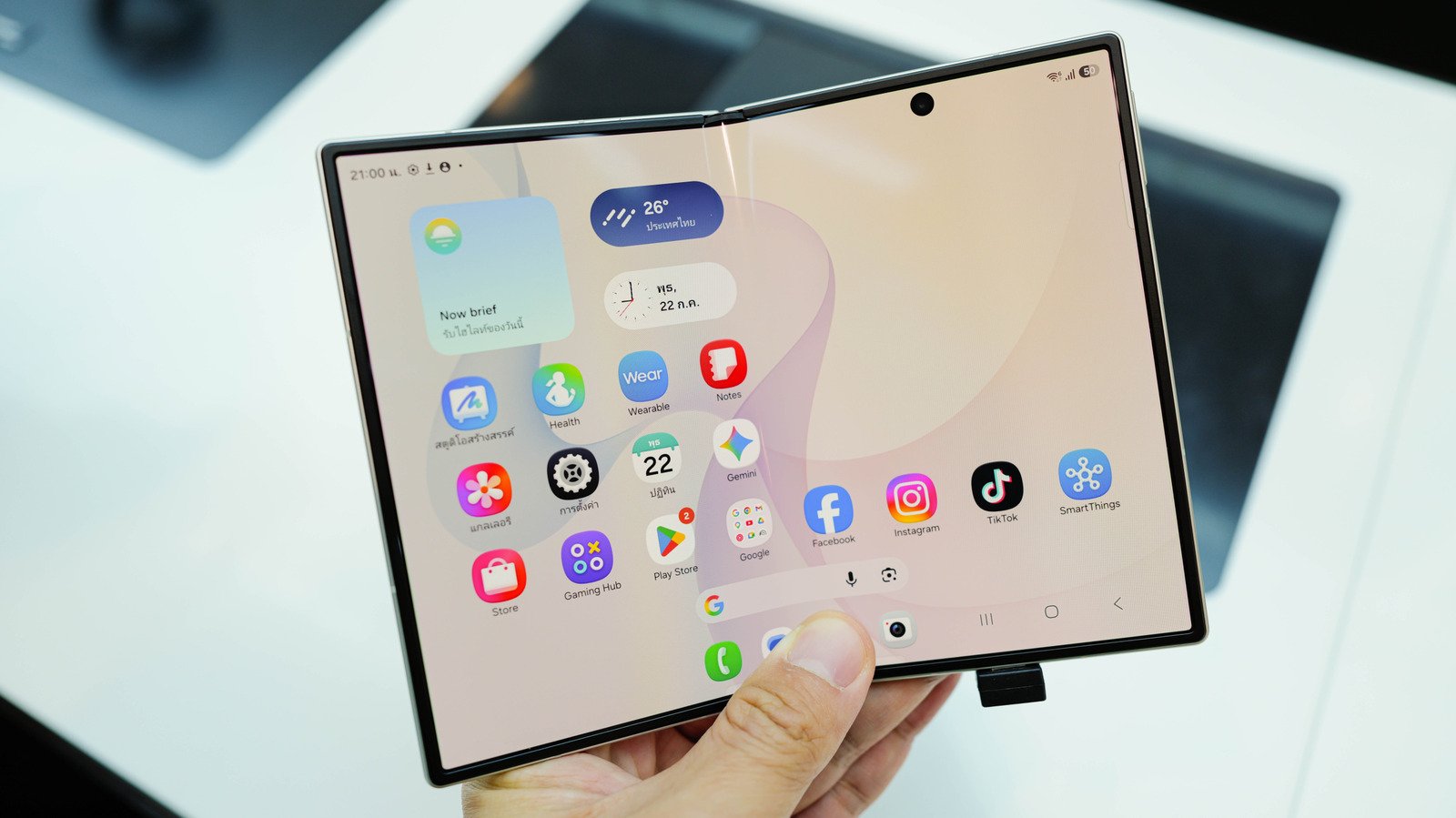
The arrival of the iPhone Duo marks a pivotal shift in the mobile industry. For years, the foldable category existed as a high-end, niche experiment primarily dominated by Samsung and a handful of Chinese manufacturers. Apple’s decision to enter this space validates the form factor in a way that no other brand could, effectively transitioning foldables from experimental curiosity to mainstream potential. While the iPhone Duo is not scheduled to reach store shelves until next month, its mere existence has already begun to shift market dynamics in favor of early incumbents like the Samsung Galaxy Z Fold 8.
The Mainstream Validation Effect
The most immediate impact of Apple’s announcement is the sheer increase in public interest. Despite years of aggressive marketing from Samsung and iterative hardware improvements, foldables have remained a small fraction of the total smartphone market. Global data indicates that while millions of foldable devices are shipped annually, they represent less than two percent of total smartphone sales.
The iPhone Duo acts as a catalyst. Consumer awareness is surging, as general users who previously ignored foldables are now researching the technology. Anecdotal evidence from retail partners suggests that this heightened curiosity is driving prospective buyers toward existing, established hardware. Many consumers, eager to experience the multitasking benefits of a larger internal display, are choosing not to wait for the Apple release, instead opting for the mature and well-refined Galaxy Z Fold 8. This “halo effect” is proving beneficial for companies that have spent the last five years refining their hinge mechanics and software optimization.
Competitive Pricing and Accessibility
Historically, the high barrier to entry for foldable devices has limited their adoption. Premium pricing often served as a deterrent for those who were merely curious about the technology. With Apple entering the fray at the top of the price bracket, the competitive landscape is forced to adapt.
Samsung has already begun responding to this pressure by adjusting its retail strategy. In several key markets, the company has introduced strategic price reductions for its current foldable lineup. This creates a broader ecosystem where a consumer can choose between an entry-level foldable, such as the Galaxy Z Flip7 FE, or invest in the high-performance Z Fold 8 Ultra. This competition ensures that consumers are no longer limited to a single choice, fostering a marketplace where value, performance, and hardware design are constantly being balanced to capture market share.
Hardware Innovation and Design Standards
Beyond marketing and sales, Apple’s engineering choices are likely to set new industry benchmarks. The iPhone Duo features a specialized matte nano-textured display layer designed specifically to mitigate the appearance of the screen crease—a persistent challenge that has plagued foldable screens since their inception.
Historically, hardware manufacturers have struggled to hide the structural fold, often resorting to aggressive screen protectors or complex hinge mechanisms that added significant bulk. By tackling this through material science on the display surface itself, Apple is forcing the industry to revisit its design priorities. Competitors are already expected to pivot toward these advanced display coatings to remain competitive. When a titan of industry introduces a solution to a long-standing hardware flaw, the rest of the market invariably aligns with that new standard to maintain brand relevance.
Refining the Software Ecosystem
Perhaps the most significant long-term impact of the iPhone Duo lies in software development. Many current Android-based foldables have relied on scaling applications—essentially stretching or shrinking standard interfaces to fit different display states. While functional, this approach often leaves the user experience feeling unpolished or fragmented when transitioning between a small outer screen and a large internal tablet-like display.
The iPhone Duo introduces a bespoke interface architecture that recognizes different states—folded, partially open, and fully unfolded—as distinct computing environments. By prioritizing a fluid, state-aware design, Apple is providing a blueprint for how mobile software should behave on non-standard aspect ratios. The developer community is already responding, with early attempts to replicate the fluid animations and multitasking layouts of the iPhone Duo on Android platforms. This push toward cohesive, platform-native software for foldables will likely result in a more sophisticated experience across all manufacturers, finally resolving the fragmented feeling that has characterized the category for years.
The Future of the Foldable Market
While Samsung and Apple currently occupy the spotlight, the true winner of this shift is the consumer. The integration of foldables into the mainstream means that the technology will benefit from economies of scale. As the demand for flexible OLED displays, durable hinge assemblies, and specialized glass grows, the costs for these components will inevitably decline.
Eventually, this cycle of competition will likely lead to a wider range of foldable devices, perhaps even reaching mid-range price points that were previously impossible. The iPhone Duo may have been late to the market, but its arrival has provided the necessary pressure to turn a specialized niche into a standard hardware category. By forcing competitors to iterate on design, software, and value, the industry is entering a new era where the flexible screen is no longer a luxury, but a viable, highly functional alternative to the traditional smartphone slab.
Disclaimer: This content is auto-generated for informational purposes only.
Source: Read Original News