








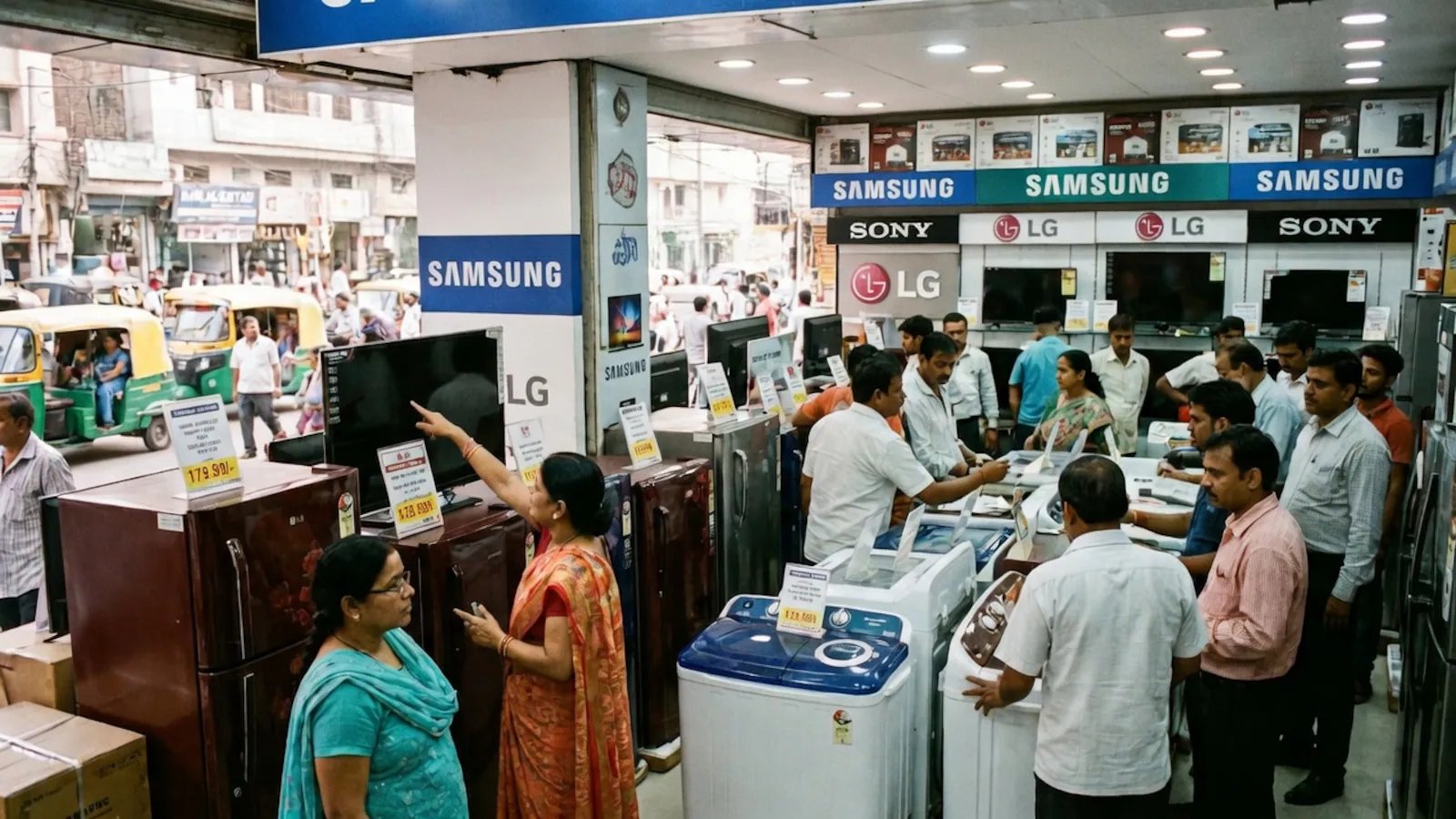
The onset of the festive shopping season typically signals a period of celebratory discounts and consumer excitement, but this year, households preparing to upgrade their home electronics may find themselves facing an unwelcome surprise. Starting October 1, a broad spectrum of major appliance manufacturers is set to implement price hikes, turning what is usually a peak period for value-seeking shoppers into a cost-conscious challenge.
Industry data indicates that air-conditioners are likely to bear the brunt of these revisions, with price tags potentially rising between 5% and 8%. Meanwhile, other household staples—including televisions, refrigerators, and washing machines—are expected to see increases in the range of 3% to 4%.
## Global Supply Chains and Escalating Input Costs
The impetus for these price adjustments originates deep within the manufacturing pipeline. Appliance producers have been navigating a perfect storm of rising input costs, primarily driven by the increasing prices of essential raw materials such as copper, aluminum, and steel. Furthermore, the volatility in crude oil prices has directly impacted the cost of plastic components, which are fundamental to modern appliance design.
Beyond raw materials, the global logistics sector remains under immense strain. Lingering geopolitical tensions have disrupted established shipping lanes, resulting in port delays that can extend for weeks. These bottlenecks have forced manufacturers to grapple with unpredictable production schedules and rising freight expenses. Vijay Sharma, Managing Director at Optoma Technology (India), emphasized that these disruptions are compounded by an unstable supply of critical tech components, specifically semiconductors and advanced memory chips. As the tech industry continues to integrate more AI-driven features and smart-connectivity into home appliances, the demand for these globally sourced chips remains high, keeping the cost of production elevated.
## The Impact on Consumer Budgets
For a middle-class family eyeing a high-end air-conditioner or a large-screen smart TV, these changes could lead to significant budgetary shifts. An 8% hike on a premium AC unit, for instance, translates to a substantial additional expense that may force buyers to reconsider their preferred models or delay purchases altogether.
While some manufacturers are attempting to absorb a portion of these costs to maintain their market share during the festive rush, the persistent nature of global supply-chain pressures has made it increasingly difficult to avoid passing the burden onto the end user. Some brands have already begun adjusting their price lists, while others remain in a wait-and-see holding pattern, monitoring competitive moves before finalizing their own price updates.
## Navigating the Market Amidst Price Volatility
Despite the trend of rising costs, the transition to new pricing is unlikely to happen overnight across all retail channels. Retailers are currently holding inventories that were acquired at older, lower price points. This creates a temporary window for savvy consumers, as older stock may remain available in physical stores for a limited time even after the October deadline.
To offset the impact of these price increases, brands are expected to ramp up their use of aggressive financial incentives. Shoppers can anticipate a surge in bundled offers, long-term EMI schemes, and bank-led cashbacks aimed at cushioning the blow of the price hikes. Rather than relying solely on the advertised discount percentage, experts suggest that consumers take a more strategic approach this season. Comparing the final, “out-the-door” price—including extended warranties and credit card offers—will be essential to securing the best possible deal.
While the industry remains committed to supporting the festive spirit, the reality of global economic fluctuations has made this year’s shopping season a complex landscape of rising manufacturing costs and necessary strategic shifts for the average consumer.
Disclaimer: This content is auto-generated for informational purposes only.
Source: Read Original News