






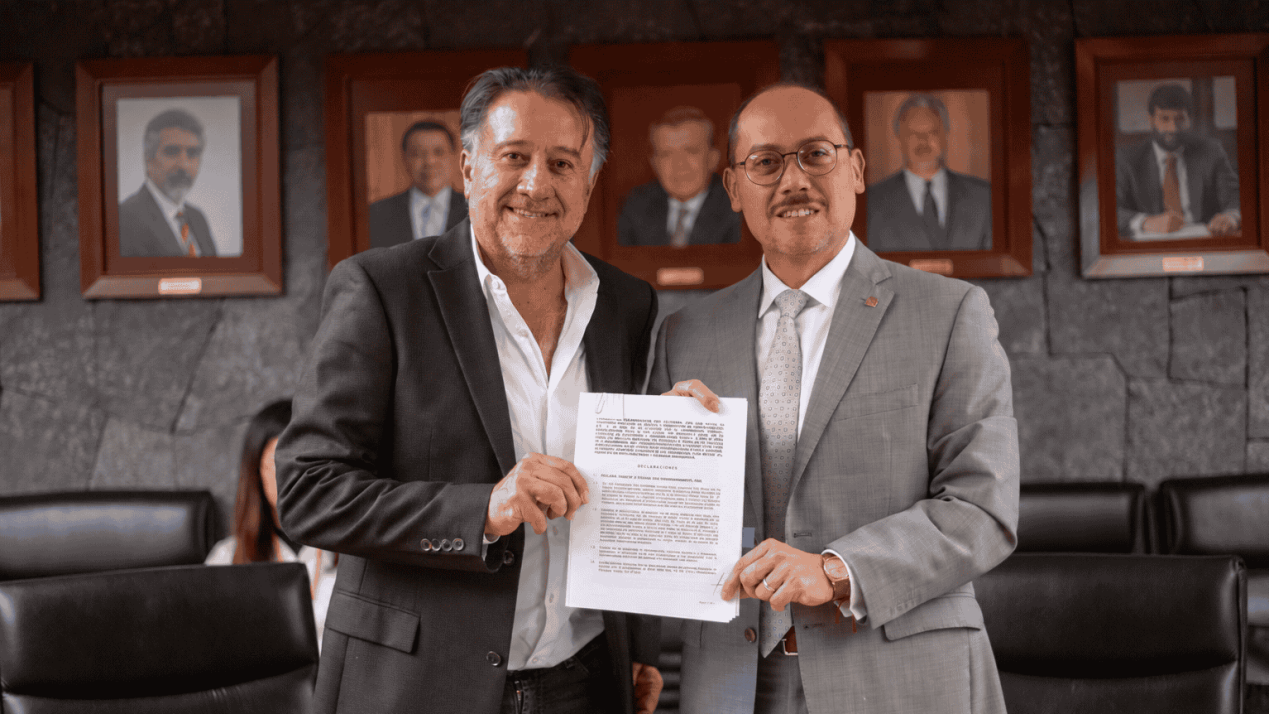
The Mexican Petroleum Institute (IMP) has officially joined the organizing committee for the International Pipeline Congress 2027, marking a strategic shift toward bridging the gap between high-level academic research and practical, field-ready solutions for the energy sector. This partnership with the Mexican Association of Pipelines and Hydrocarbon Transport (AMDTH) arrives at a critical juncture as Mexico initiates a massive MX$140 billion expansion and rehabilitation program for its national gas infrastructure, aiming to modernize aging systems by 2030.
### Bridging the Gap: Research to Reality
Scheduled for April 2027 in Ciudad del Carmen, the upcoming congress is being repositioned as a functional hub for the entire hydrocarbon value chain. By integrating the IMP—Mexico’s state-run oil research authority—the organizing committee aims to move beyond theoretical discussions. The goal is to facilitate the rapid transition of new technologies, such as advanced sensors, automation tools, and predictive maintenance software, from pilot programs to actual deployment in the field.
José Garcés Zepeda, Head of Engineering and Services at the IMP, noted that the institute’s role will be to provide technical advisory services to help operators navigate the complexities of modernizing energy infrastructure. This includes addressing systemic challenges in mechanical integrity, regulatory compliance, and the growing mandate for emissions reduction.
### Leveraging Modern Tech and Digital Transformation
As the industry faces the dual pressure of aging physical assets and the need for greater operational efficiency, the 2027 congress program will place a renewed focus on digital transformation. This includes the use of artificial intelligence and data-driven analytics to manage risk and optimize transport efficiency.
Technology providers are expected to showcase solutions that mirror the digital modernization currently being prioritized by Google Cloud and other global tech giants, who are increasingly leveraging AI to predict infrastructure failures before they occur. By incorporating these themes, the IMP hopes to create a roadmap for operators to implement machine learning and real-time monitoring tools that can extend the lifespan of existing pipelines while ensuring safety and regulatory alignment.
### Strategic Investment Amidst Import Dependency
The urgency for this collaboration is driven by the sheer scale of the government’s infrastructure mandate. With approximately two-thirds of Mexico’s 9Bcf/d gas demand currently met by imports from Texas, the state must balance its reliance on foreign supply with the internal need to modernize its existing network. The federal government’s plan to rehabilitate up to 75% of Cenagas’ network by the decade’s end requires not just capital, but the rapid integration of international best practices and domestic technical expertise.
The IMP’s involvement is expected to act as a magnet for both private suppliers and international operators. By serving as both a technical validator and a liaison between state-owned entities like PEMEX, CFE, and Cenagas and the private sector, the institute aims to standardize technological progress.
“Innovation only generates value when it can be implemented,” stated Andrés Gutiérrez Velázquez, President of the Congress Technical Organizing Committee. By creating a direct feedback loop between the laboratory and the pipeline trench, the 2027 congress seeks to transform the national energy landscape, ensuring that the heavy investment in infrastructure is supported by the most robust, efficient, and technologically advanced practices available today. The congress, which traces its lineage back to the 1990s, is now evolving from an integrity-focused forum into a comprehensive engine for regional energy security.
Disclaimer: This content is auto-generated for informational purposes only.
Source: Read Original News