







The Transition from ChromeOS to Googlebook OS
Google has initiated a significant shift in its computing strategy, signaling the beginning of the end for the long-standing Chromebook platform. According to recent support documentation, the company plans to transition eligible, newer-model Chromebooks to its emerging platform, known as the Googlebook OS. This move is designed to avoid the long-term support pitfalls that plagued other operating systems in the past, such as the extended lifecycle management required for legacy Windows XP installations.
By moving toward a unified Googlebook OS, the company aims to modernize its hardware ecosystem. While specific timelines regarding which models will qualify for this transition remain vague, Google has characterized the process for many newer devices as a “direct migration.” This suggests that the underlying hardware architecture of modern high-end Chromebooks may already be compatible with the core requirements of the new operating system.
The Premium Shift in Hardware Strategy
One of the most striking aspects of this transition is the positioning of Googlebooks as a premium tier of computing. For over a decade, the Chromebook brand was synonymous with budget-friendly, entry-level hardware, particularly within the education sector. In contrast, the initial launch of Googlebook hardware carries a starting price of $899, placing these devices in direct competition with high-end laptops rather than the affordable tools previously targeted at classrooms.
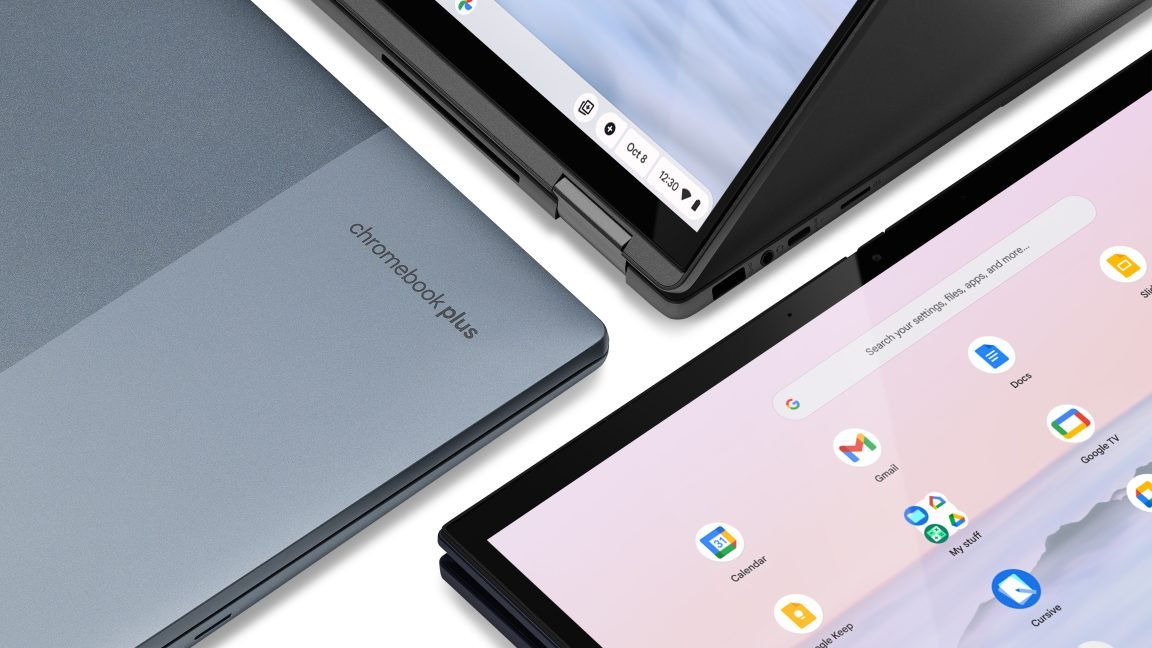
This shift creates a substantial barrier for institutions that have relied on the inexpensive, easily managed nature of Chromebooks. The hardware designs being promoted by partners like HP represent a move toward more powerful, feature-rich devices that integrate deeply with AI-driven capabilities like Google Gemini. While these premium features justify the cost for professional users, they present a challenge for organizations that operate on tight budget constraints.
Managing the Enterprise and Education Gap
The support pages for the new operating system reveal a significant discrepancy in functionality. Specifically, Googlebook OS will not offer the comprehensive management and administration tools required by schools and large enterprises for a projected period of at least twelve months. This absence of critical management infrastructure is likely a primary reason for the company’s cautious messaging regarding the future of existing Chromebooks.
Google is currently threading a needle: it needs to retain the trust of its massive education and enterprise base while simultaneously pushing a new, premium hardware category. If the company were to prematurely announce the sunset of the Chromebook platform, it risks alienating current customers who rely on stable, managed, and affordable hardware. Consequently, the company continues to maintain in public statements that Chromebooks will “continue to exist,” even as its technical documentation points toward a future dominated by the Googlebook OS.
Technical Implications of the Migration
The technical challenge of migrating from ChromeOS to Googlebook OS is non-trivial. ChromeOS is built on a lightweight, web-centric architecture optimized for low-resource environments. The transition to the new operating system implies a more robust, performant environment designed to support sophisticated local processing. This shift likely reflects a broader strategic pivot to integrate advanced AI models directly into the operating system kernel, requiring higher-tier processors and memory configurations not found in older or entry-level Chromebook devices.
For hardware manufacturers, this change requires a realignment of their development cycles. While partners may eventually explore budget-friendly versions of Googlebooks to capture the mid-range market, the current focus is clearly on high-performance builds. The architectural transition suggests that Googlebook OS will demand stricter hardware standards, effectively ending the era of the low-cost, long-lifespan browser-based laptop.
Impact on Future Market Adoption
The market impact of this strategy remains a point of intense speculation. Chromebooks achieved widespread adoption not through sheer performance, but through a combination of accessibility, low total cost of ownership, and ease of management. By introducing Googlebooks as a premium alternative, the company is fundamentally altering the value proposition of its portable hardware.
For individual consumers, the appeal of a premium device with the reliability of Google’s software ecosystem is clear. However, the ecosystem effect is entirely dependent on whether Google can eventually provide the management tools that schools and businesses require. Until these administrative capabilities reach parity with the existing Chromebook management console, adoption will likely remain limited to early adopters and high-end enterprise users.
Ultimately, this transition represents a broader evolution in Google’s vision for personal computing. By decoupling from the legacy constraints of ChromeOS, the company is attempting to redefine its presence in the PC market. The success of this move will depend on whether the performance gains of the new platform can justify the significant price premium compared to the budget-friendly machines that defined the previous decade of Google hardware. As the migration process begins to roll out, the market will closely monitor which devices qualify and whether the “direct migration” experience fulfills the promise of a seamless upgrade.
Disclaimer: This content is auto-generated for informational purposes only.
Source: Read Original News