






ABU DHABI — His Highness Sheikh Hamdan bin Zayed Al Nahyan, Ruler’s Representative in Al Dhafra Region and Chairman of the Board of Directors of the Environment Agency – Abu Dhabi (EAD), chaired the agency’s third board meeting of 2026, reinforcing the emirate’s commitment to balancing rapid urban development with rigorous environmental conservation.
Held at Al Nakheel Palace, the meeting served as a strategic review of EAD’s performance throughout the first eight months of the year. High-level officials, including Her Excellency Razan Khalifa Al Mubarak, Managing Director of EAD, and Her Excellency Dr. Shaikha Salem Al Dhaheri, Secretary General of EAD, joined the board in evaluating the emirate’s environmental roadmap for 2026–2028.
Central to the meeting was the approval of the environmental policy and legislative framework for 2027–2028. Sheikh Hamdan directed that the delivery of these initiatives be accelerated, emphasizing that as Abu Dhabi grows, its environmental infrastructure must remain proactive, data-driven, and grounded in robust legislation. He noted that safeguarding natural heritage is a collective responsibility that requires the synergy of government entities, academic institutions, and the wider community.
Performance metrics presented for the period ending in August 2026 highlighted significant successes across various ecological benchmarks. Air quality compliance reached 91.2 per cent, successfully surpassing the federal target of 90 per cent. Furthermore, both the Sustainable Fisheries Index and the microbial water quality indicator achieved perfect scores of 100 per cent. The Marine Water Eutrophication Index also performed strongly, reaching 80 per cent and exceeding its baseline target by 10 percentage points.
Regulatory enforcement remains a pillar of the agency’s strategy, with an environmental compliance rate of 94 per cent achieved through 193 enforcement actions targeting industrial, commercial, and waste management sectors. In terms of resource management, the EAD has bolstered the emirate’s emergency preparedness by securing a strategic groundwater reserve in Umm Ghafah and Al Shuwaib with a capacity of 22,000 cubic metres.
The agency’s conservation efforts continue to gain international recognition. Key milestones include the launch of the Abu Dhabi Mangrove Observatory and significant progress in the Abu Dhabi Coral Gardens initiative, which has already surpassed 85 per cent of its annual target. Protected areas also saw a surge in engagement, with over 71,000 visitors participating in ecotourism activities, showcasing the successful integration of conservation and public experience.
Looking ahead, Sheikh Hamdan reviewed a proposal for the Abu Dhabi Desert Vegetation Cover Restoration Initiative. This project aims to rehabilitate desert ecosystems by planting native species that require minimal irrigation. The board approved a two-to-three-year pilot phase at selected sites, which will incorporate the involvement of volunteers, environmental NGOs, and educational institutions, followed by a rigorous scientific evaluation to determine the project’s feasibility for larger-scale implementation.
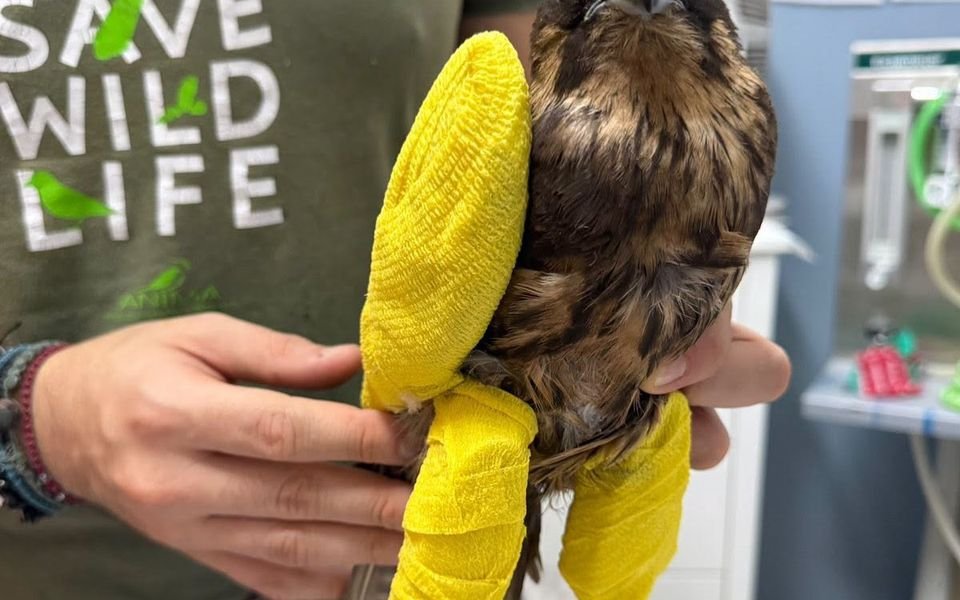
The meeting also touched upon the welfare of local wildlife, with the Abu Dhabi Falcon Hospital reporting the treatment of 1,325 falcons and 1,930 pets during the current period.
As the EAD marks its 30th anniversary, Sheikh Hamdan underscored the importance of future-proofing the agency. He directed the leadership to prioritize investments in artificial intelligence, modern technologies, and the professional development of national talent. By strengthening partnerships with both the private sector and international environmental organizations, the EAD aims to navigate the complexities of climate change and ensure the long-term sustainability of Abu Dhabi’s natural resources for future generations.
Disclaimer: This content is auto-generated for informational purposes only.
Source: Read Original News