








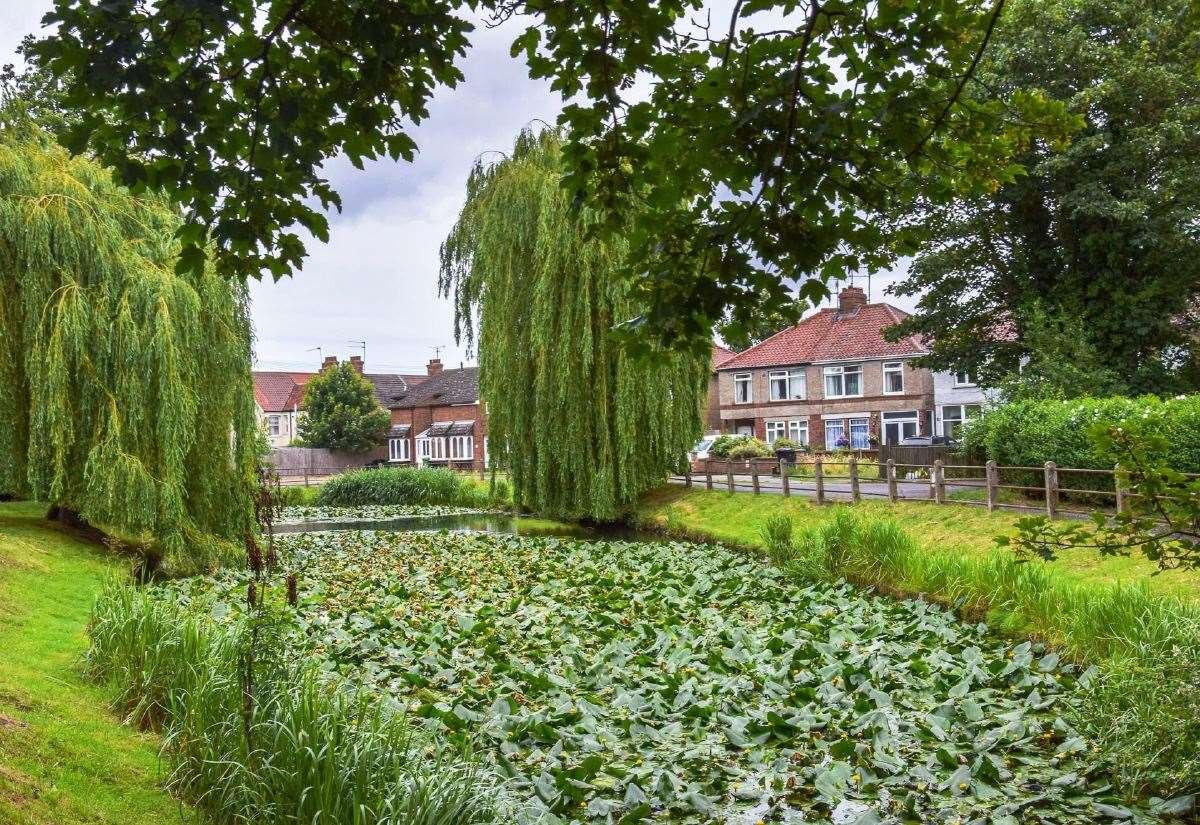
Work is set to commence today on a revitalization project at the Loke Road ponds in North Lynn, as West Norfolk Council launches the latest phase of an ongoing initiative to restore and manage local aquatic habitats.
The project, which follows a broader programme of pond regeneration launched by the council in 2023, aims to improve the ecological health of the site by addressing issues caused by overgrown and deteriorating vegetation. Council crews are scheduled to begin site maintenance this morning, focusing on the careful removal and thinning of trees that have begun to negatively impact the water quality and structural integrity of the ponds.
According to the local authority, the maintenance schedule includes the extensive cutting back of willow trees, as well as the selective pruning of overhanging alder trees. Additionally, two ash trees located on the corner of the site have been identified as diseased and will be removed entirely to ensure public safety and prevent the spread of decay.
Environmental officers have highlighted several critical reasons for this intervention, noting that the health of the ponds has been compromised by an imbalance in the local ecosystem. Primary among these concerns is the accumulation of leaf litter. When excessive amounts of dead leaves fall into the water, they decompose, a process that consumes significant levels of dissolved oxygen. By thinning the overhanging canopy, the council aims to reduce this influx of organic matter, thereby ensuring that fish and essential invertebrates have the oxygenated water required to survive.
Light levels and thermal regulation also play a pivotal role in the maintenance strategy. Dense tree cover has created excessive shade, which inhibits the growth of healthy aquatic plants—the foundation of the pond’s food chain. Furthermore, improved sunlight penetration is expected to increase water temperatures, creating a more suitable habitat for amphibians such as frogs, which rely on warmth for their life cycles.
The project also addresses significant structural risks posed by specific tree species. Willows, in particular, present a unique challenge in pond management. The trees possess aggressive root systems that actively seek out water sources, creating a high risk of damage to pond liners, clay bases, and earthen dams. If left unchecked, these roots can cause leaks, leading to a loss of water volume.
Beyond root damage, the inherent characteristics of willow trees present safety and maintenance concerns. The species is known for its rapid growth rate and brittle wood, which is prone to splitting or dropping heavy limbs into the water. Left unmanaged, a single mature willow can consume vast quantities of water, potentially depleting a small pond’s levels during drier seasons and physically outgrowing the perimeter of the habitat.
The Loke Road project represents a targeted approach to urban biodiversity management, demonstrating the council’s commitment to maintaining man-made water features as viable, thriving ecosystems. While the work may cause temporary disruption to the immediate surroundings, officials state that the long-term benefits to the local wildlife and the structural longevity of the ponds are essential. Residents are advised to stay clear of the designated work areas while the maintenance team carries out the removal and pruning operations over the coming days.
Disclaimer: This content is auto-generated for informational purposes only.
Source: Read Original News