







The Strategic Shift Toward Financing and Accessibility
The Indian retail landscape is undergoing a significant transformation this festive season. Faced with inflationary pressures and rising input costs, brands across sectors—ranging from consumer durables to fashion and jewellery—are recalibrating their sales strategies. Instead of relying on aggressive, margin-eroding discounts, companies are prioritizing financial flexibility and product accessibility to sustain consumer demand. This shift reflects a maturing market where manufacturers and retailers are working in tandem to protect profit margins while simultaneously addressing the price sensitivity of the average Indian household.
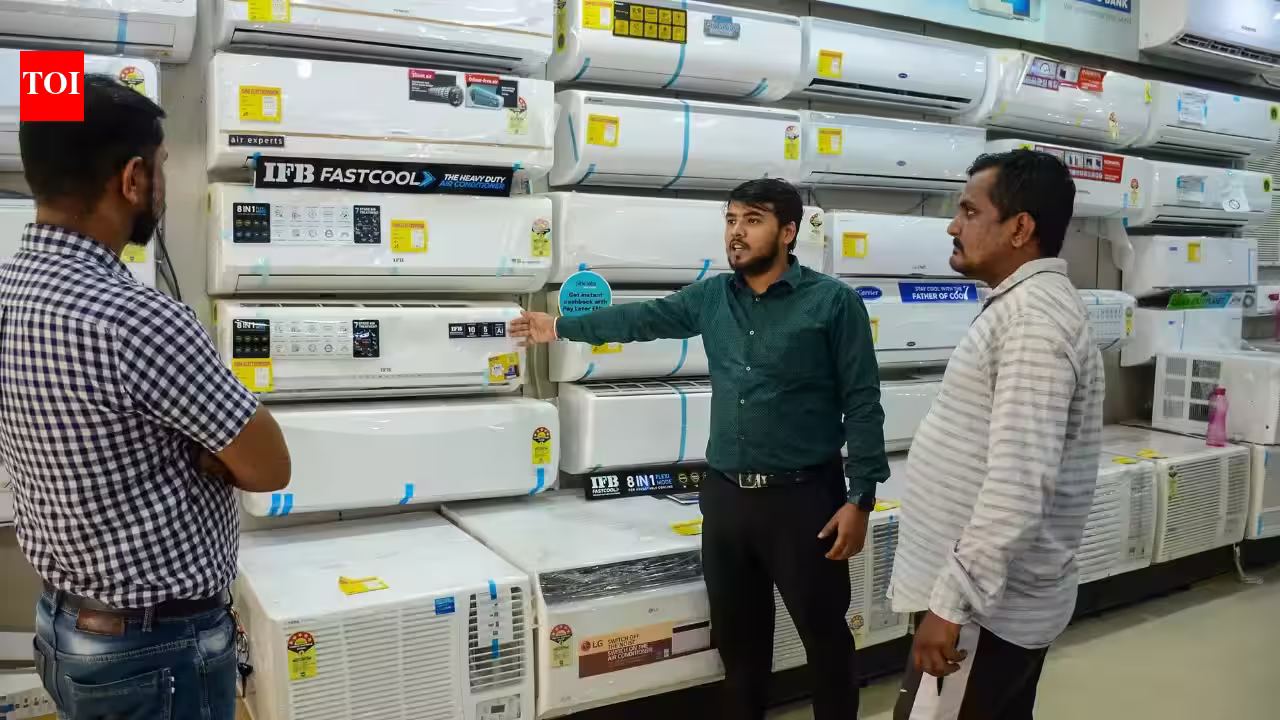
The current economic environment, marked by rising costs in raw materials such as packaging and essential electronic components, has forced a recalibration of price points. Manufacturers, particularly in the television and consumer electronics segment, are grappling with cost hikes of up to 40% in critical inputs. Rather than passing the full weight of these increases to the consumer, which risks stalling volume growth, brands are deploying sophisticated financial tools. By integrating no-cost equated monthly installments (EMIs) and extended credit tenures into their core sales proposition, brands are effectively lowering the barrier to entry for high-ticket items. This approach allows businesses to maintain higher average selling prices while keeping the monthly burden on the consumer manageable.
The Rise of Premiumization Through Financial Levers
A critical insight into this year’s festive retail trend is the focus on premiumization. Despite concerns regarding inflation, major players such as LG Electronics and Panasonic are witnessing that consumers remain aspirational. The strategy is to facilitate this aspiration through structured financial support. By providing a combination of zero-interest financing, cashback programs, and extended warranties, companies are empowering consumers to upgrade their appliances.
Data from the fintech sector suggests that financing schemes are poised to facilitate between 60% and 80% of transactions in the consumer durables and electronics space this year. This signifies that the Indian consumer has become increasingly comfortable with credit-based purchases, viewing EMIs not as a sign of financial strain, but as a strategic tool for liquidity management. For brands, this represents a major opportunity; it allows them to capture revenue from the premium segment while insulating the brand from the necessity of constant price cuts, which can often cheapen the brand image in the long term.
Re-engineering Products for Value-Conscious Consumers
While financing drives high-end electronic sales, the fashion and jewellery sectors are taking a different, yet equally calculated approach. In the jewellery market, where the price of gold continues to fluctuate at high levels, retailers are focusing on product re-engineering. Companies like BlueStone are moving away from the conventional discount-led model to one centered on design efficiency. By modifying manufacturing processes and aesthetic techniques, these brands are ensuring that products remain available at various price tiers, preventing customers from feeling pushed out of the market due to rising base commodity prices.
Similarly, the footwear industry is doubling down on strategic pricing tiers to navigate the complex tax structure. By focusing on products priced below the Rs 2,500 threshold—which benefit from a lower 5% GST slab—brands such as Liberty Shoes are able to offer premium design and comfort without triggering the higher tax bracket. This illustrates a profound shift in product strategy: firms are now conducting extensive research into the intersection of manufacturing costs, tax implications, and consumer psychology to deliver value without compromising on quality. This strategy is essential for sustaining volume growth in a market where consumers are increasingly deliberate about their spending.
The Role of Omnichannel and Value-Based Partnerships
The role of e-commerce platforms has evolved from being mere sales channels to becoming strategic partners in price optimization. Platforms like Flipkart are increasingly collaborating with manufacturers to curate exclusive product bundles at value-oriented price points. These partnerships allow brands to clear inventory and introduce new product lines specifically designed to meet the demands of the value-conscious segment.
This model of value-based partnerships is particularly effective in the FMCG and household consumables sectors. By launching exclusive packs that provide a higher perceived value without necessarily lowering the per-unit price, retailers are successfully navigating the inflationary environment. This omnichannel approach provides the necessary reach to target a wider demographic, ensuring that both premium buyers and those with smaller budgets can find suitable options during the festive period.
Sustainability of the Current Retail Model
Looking ahead, the pivot from discounts to financial inclusion and product re-engineering appears to be a sustainable long-term strategy for the Indian market. Retailers are realizing that while discounts may generate short-term spikes in interest, they often lead to long-term devaluation of the brand and unsustainable pressure on balance sheets. By shifting the conversation to “affordability through flexibility” and “value through design,” companies are cultivating a more stable relationship with their customer base.
Furthermore, the emphasis on old-gold exchange programs and flexible payment cycles indicates that the Indian retail sector is moving toward a service-oriented model. The goal is to provide a comprehensive ecosystem where the product is just one component of the value proposition. As disposable income levels evolve and the appetite for digital credit continues to expand, this model will likely become the standard for festive retail in India.
Concluding Insights for the Festive Period
The current festive season serves as a litmus test for the resilience of Indian retail. The data suggests that while volume growth may be moderate, the value of sales will likely remain robust, driven by a combination of premiumization and smarter financing. Businesses that successfully integrate these tools will not only survive the inflationary pressures but will likely emerge with stronger market shares and more loyal customer bases.
The core takeaway for businesses is clear: the modern Indian consumer is not necessarily looking for the cheapest product, but rather the most accessible way to acquire a quality product. By aligning inventory, design, and credit structures with this consumer mindset, brands are effectively future-proofing their operations against the volatility of the global economy. As the industry advances, the ability to balance technical manufacturing efficiency with accessible financial architecture will determine the leaders of the next retail decade in India.
Disclaimer: This content is auto-generated for informational purposes only.
Source: Read Original News