



Modi Govt Intensifies Anti-Terror Push: New Extradition Portal Launched
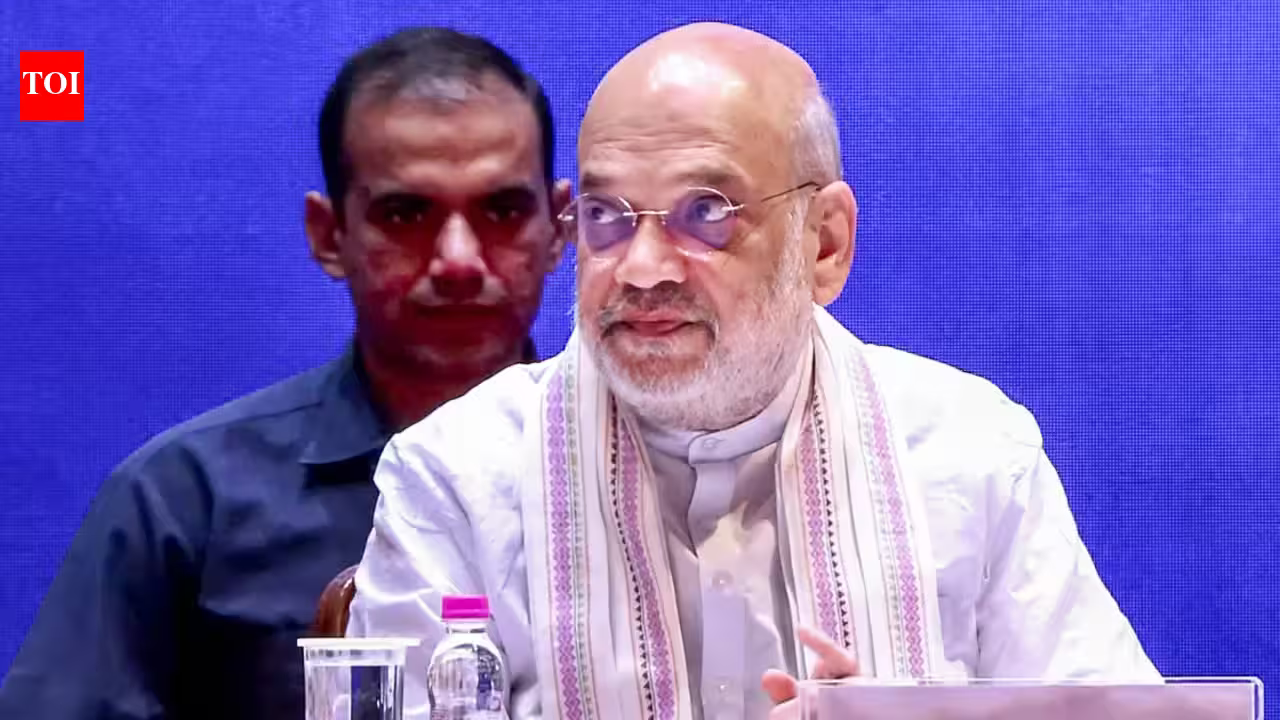
NEW DELHI: In a significant move to bolster India’s legal reach against those evading justice, Union Home Minister Amit Shah announced on Monday that the government has successfully brought back 288 fugitives from 36 different countries since 2019. To further streamline these efforts, the Home Minister inaugurated a dedicated extradition portal designed to synergize inter-agency cooperation and expedite the process of securing the custody of wanted criminals hiding abroad.
The announcement came during his inaugural address at the ‘PRAHAAR’ conference, a high-level summit focused on India’s evolving counter-terrorism policy and strategic framework.
Advancing the PRAHAAR Doctrine
Unveiled in February, the PRAHAAR doctrine represents India’s first comprehensive anti-terror policy. The acronym stands for seven critical pillars: Prevention, Response, Aggregating Internal Capacities, Human Rights, Attenuating conditions for terrorism, Aligning international efforts, and Recovery & resilience.
During the conference, which saw participation from top officials including secretaries from the Ministry of Home Affairs and the Ministry of External Affairs, as well as state DGPs and heads of anti-terrorism squads, Shah underscored the government’s “zero-tolerance” policy toward terrorism. He emphasized the need to institutionalize automated counter-terrorism responses, ensuring that the PRAHAAR framework is implemented effectively at every administrative level.
“We must maintain a result-oriented approach across all pillars of the PRAHAAR framework,” Shah stated. He urged officials to focus on long-term strategy, calling for the establishment of a robust mechanism that can anticipate and counter threats for the next decade.
Strengthening Grassroots Coordination
A key highlight of the Home Minister’s address was the mandate to extend counter-terrorism efforts down to the police station level. Shah directed state authorities to establish dedicated task forces that can work in seamless tandem with central agencies. This integration is vital, he noted, to prevent bureaucratic delays in tracking and apprehending terrorists and fugitives.
The initiative aims to effectively starve terror networks of their lifelines—including funding, cyber resources, weaponry, and safe havens—by fostering deeper collaboration between intelligence gatherers and investigative agencies.
Tackling Global Terror Networks
Highlighting the success of recent intelligence-led operations, the Home Minister pointed to the concerted crackdown on the ISI-backed Shahbaz Bhatti network. Through close coordination between state and central agencies, security forces were able to dismantle more than 40 modules of this network.
The operation, which spanned 15 states, resulted in the registration of over 100 FIRs and the arrest of 350 individuals. Following these successes, the government has formally declared the network a terrorist organization under the Unlawful Activities (Prevention) Act (UAPA), signaling a strict stance against any entity threatening India’s national security.
As the government continues to leverage international diplomacy and enhanced legal tools through the new portal, the focus remains clear: ensuring that those who seek to destabilize the nation from beyond its borders find no refuge, whether at home or abroad.
Disclaimer: This content is auto-generated for informational purposes only.
Source: Read Original News